

 登录
登录
Ⅲ. Read and answer the questions.
Norman Bethune is one of the most famous heroes in China. He was a Canadian doctor. He came to China to help the Chinese people and died for them.
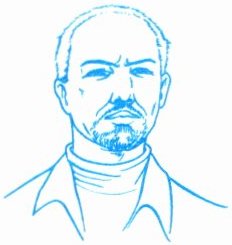
Norman Bethune was born in 1890. He became a doctor in 1916 and went to Spain in 1936 to treat the wounded soldiers during the war there. He soon realised that many people were dying because they did not get to a hospital quickly enough. Dr Bethune developed new ways of taking care of the sick. He invented special medical tools to use outside hospitals and close to the fighting areas so that doctors could treat the wounded more quickly. His inventions saved many lives.
In 1938, Dr Bethune came to China and helped treat the wounded during the Chinese People’s War of Resistance Against Japanese Aggression (抗日战争). At that time, there were few doctors, so he had to work very hard on his own. His experience of treating people in Spain was useful in China. He developed training courses for local doctors and nurses, and wrote books so that they could learn about how he treated the sick.
Dr Bethune often worked very hard without resting or taking care of himself. Once, he even worked for sixty - nine hours without stopping and managed to save over a hundred lives. One day in 1939, he cut his finger during an operation, but he continued his work without treating it. In the end, he died of his wound.
Dr Bethune’s work for the Chinese people made him a hero in China. There are many books and films about him, and he is still remembered in both China and Canada today.
A. Number the events about Norman Bethune in the correct order.
□ came to China
□ wrote books about ways of treating the sick in China
□ invented medical tools to use outside hospitals
□ went to treat the wounded soldiers in Spain
B. Answer the questions.
()1. What did Dr Bethune do to help the doctors and nurses in China?
A. He invented some special medical tools.
B. He spent hours working without resting.
C. He created new ways to look after the sick.
D. He developed training courses and wrote books.
()2. What’s the main idea of this passage?
A. Dr Bethune’s job.
B. The life story of Dr Bethune.
C. Dr Bethune’s inventions.
D. The main courses of Dr Bethune.
()3. Which word can best describe Dr Bethune?
A. Selfless.
B. Lively.
C. Serious.
D. Funny.
4. Why is Dr Bethune a hero in China? (No more than 15 words)
Norman Bethune is one of the most famous heroes in China. He was a Canadian doctor. He came to China to help the Chinese people and died for them.
Norman Bethune was born in 1890. He became a doctor in 1916 and went to Spain in 1936 to treat the wounded soldiers during the war there. He soon realised that many people were dying because they did not get to a hospital quickly enough. Dr Bethune developed new ways of taking care of the sick. He invented special medical tools to use outside hospitals and close to the fighting areas so that doctors could treat the wounded more quickly. His inventions saved many lives.
In 1938, Dr Bethune came to China and helped treat the wounded during the Chinese People’s War of Resistance Against Japanese Aggression (抗日战争). At that time, there were few doctors, so he had to work very hard on his own. His experience of treating people in Spain was useful in China. He developed training courses for local doctors and nurses, and wrote books so that they could learn about how he treated the sick.
Dr Bethune often worked very hard without resting or taking care of himself. Once, he even worked for sixty - nine hours without stopping and managed to save over a hundred lives. One day in 1939, he cut his finger during an operation, but he continued his work without treating it. In the end, he died of his wound.
Dr Bethune’s work for the Chinese people made him a hero in China. There are many books and films about him, and he is still remembered in both China and Canada today.
A. Number the events about Norman Bethune in the correct order.
□ came to China
□ wrote books about ways of treating the sick in China
□ invented medical tools to use outside hospitals
□ went to treat the wounded soldiers in Spain
B. Answer the questions.
()1. What did Dr Bethune do to help the doctors and nurses in China?
A. He invented some special medical tools.
B. He spent hours working without resting.
C. He created new ways to look after the sick.
D. He developed training courses and wrote books.
()2. What’s the main idea of this passage?
A. Dr Bethune’s job.
B. The life story of Dr Bethune.
C. Dr Bethune’s inventions.
D. The main courses of Dr Bethune.
()3. Which word can best describe Dr Bethune?
A. Selfless.
B. Lively.
C. Serious.
D. Funny.
4. Why is Dr Bethune a hero in China? (No more than 15 words)
答案
Ⅲ.A.3 4 2 1
B.1.D 2.B 3.A
4.One possible version:Because he came to China to help treat the wounded and died for Chinese people.
B.1.D 2.B 3.A
4.One possible version:Because he came to China to help treat the wounded and died for Chinese people.
解析
【分析】
A部分为事件排序题,解题思路是先在原文中定位每个事件对应的时间节点,再按照时间先后顺序排列:先找到各事件的时间线索,再梳理先后顺序。
B部分:第1题是细节理解题,需回到原文找到白求恩帮助中国医护人员的具体做法;第2题是主旨大意题,要总结文章整体内容,判断核心主旨;第3题是人物品质推断题,需结合白求恩的行为事迹分析其品质;第4题是细节概括题,要从原文提取关键信息,同时控制字数在要求范围内。
【解析】
A部分:
1. 定位各事件的时间:
"went to treat the wounded soldiers in Spain"对应原文第二段“went to Spain in 1936”,是最早的事件,排第1位;
"invented medical tools to use outside hospitals"是白求恩在西班牙期间的发明(第二段“He invented special medical tools...”),排第2位;
"came to China"对应第三段“In 1938, Dr Bethune came to China”,排第3位;
"wrote books about ways of treating the sick in China"是白求恩来中国之后的行为(第三段“wrote books so that they could learn about how he treated the sick”),排第4位。
因此正确顺序为3 4 2 1。
B部分:
1. 第1题:根据第三段“He developed training courses for local doctors and nurses, and wrote books so that they could learn about how he treated the sick.”,可知白求恩通过开发培训课程和写书帮助中国医护人员,对应选项D。
2. 第2题:文章按时间顺序讲述了白求恩的出生、从医经历、去西班牙、来中国救治伤员直至牺牲的完整生平,核心是白求恩的人生故事,对应选项B。
3. 第3题:白求恩不顾自身健康,长时间工作救治伤员,最终因伤口去世,体现了他无私奉献的品质,“Selfless(无私的)”最符合,对应选项A。
4. 第4题:根据原文第一段“He came to China to help the Chinese people and died for them.”及救治伤员的内容,提炼符合字数要求的答案:Because he came to China to help treat the wounded and died for Chinese people.
【答案】
Ⅲ.A.3 4 2 1
B.1.D 2.B 3.A
4.One possible version:Because he came to China to help treat the wounded and died for Chinese people.
【知识点】
细节理解题、主旨大意题、事件排序题
【点评】
本文围绕白求恩大夫的生平事迹展开,考查学生对阅读理解细节信息的定位提取、时间线梳理、主旨归纳及人物品质推断的能力,需要学生熟练运用阅读理解的基本解题技巧,精准从原文获取信息。
【难度系数】
0.6
A部分为事件排序题,解题思路是先在原文中定位每个事件对应的时间节点,再按照时间先后顺序排列:先找到各事件的时间线索,再梳理先后顺序。
B部分:第1题是细节理解题,需回到原文找到白求恩帮助中国医护人员的具体做法;第2题是主旨大意题,要总结文章整体内容,判断核心主旨;第3题是人物品质推断题,需结合白求恩的行为事迹分析其品质;第4题是细节概括题,要从原文提取关键信息,同时控制字数在要求范围内。
【解析】
A部分:
1. 定位各事件的时间:
"went to treat the wounded soldiers in Spain"对应原文第二段“went to Spain in 1936”,是最早的事件,排第1位;
"invented medical tools to use outside hospitals"是白求恩在西班牙期间的发明(第二段“He invented special medical tools...”),排第2位;
"came to China"对应第三段“In 1938, Dr Bethune came to China”,排第3位;
"wrote books about ways of treating the sick in China"是白求恩来中国之后的行为(第三段“wrote books so that they could learn about how he treated the sick”),排第4位。
因此正确顺序为3 4 2 1。
B部分:
1. 第1题:根据第三段“He developed training courses for local doctors and nurses, and wrote books so that they could learn about how he treated the sick.”,可知白求恩通过开发培训课程和写书帮助中国医护人员,对应选项D。
2. 第2题:文章按时间顺序讲述了白求恩的出生、从医经历、去西班牙、来中国救治伤员直至牺牲的完整生平,核心是白求恩的人生故事,对应选项B。
3. 第3题:白求恩不顾自身健康,长时间工作救治伤员,最终因伤口去世,体现了他无私奉献的品质,“Selfless(无私的)”最符合,对应选项A。
4. 第4题:根据原文第一段“He came to China to help the Chinese people and died for them.”及救治伤员的内容,提炼符合字数要求的答案:Because he came to China to help treat the wounded and died for Chinese people.
【答案】
Ⅲ.A.3 4 2 1
B.1.D 2.B 3.A
4.One possible version:Because he came to China to help treat the wounded and died for Chinese people.
【知识点】
细节理解题、主旨大意题、事件排序题
【点评】
本文围绕白求恩大夫的生平事迹展开,考查学生对阅读理解细节信息的定位提取、时间线梳理、主旨归纳及人物品质推断的能力,需要学生熟练运用阅读理解的基本解题技巧,精准从原文获取信息。
【难度系数】
0.6
