

 登录
登录
(
—Talk to the staff — they can make each serving smaller to cut waste.
A.sudden
B.final
C.similar
D.primary
D
)1.—What's the D
thing to solve the school food waste problem?—Talk to the staff — they can make each serving smaller to cut waste.
A.sudden
B.final
C.similar
D.primary
答案
1. D
解析
【解析】
先辨析各选项词义:A. sudden(突然的);B. final(最终的);C. similar(相似的);D. primary(首要的)。根据答句描述的是解决学校食物浪费问题的首要措施,结合语境可知应选D。
【答案】
D
【知识点】
形容词词义辨析、语境语义理解
【点评】
本题考查形容词词义辨析,需结合对话语境判断适配词汇,掌握各选项核心含义是解题关键。
【难度系数】
0.7
先辨析各选项词义:A. sudden(突然的);B. final(最终的);C. similar(相似的);D. primary(首要的)。根据答句描述的是解决学校食物浪费问题的首要措施,结合语境可知应选D。
【答案】
D
【知识点】
形容词词义辨析、语境语义理解
【点评】
本题考查形容词词义辨析,需结合对话语境判断适配词汇,掌握各选项核心含义是解题关键。
【难度系数】
0.7
(
—Sure! You've tried so hard, and many students will support it.
A.pressure
B.success
C.doubt
D.regret
B
)2.—We've prepared a lot for the school book donation drive. Will we achieve B
?—Sure! You've tried so hard, and many students will support it.
A.pressure
B.success
C.doubt
D.regret
答案
2. B
解析
【解析】
首先分析对话语境:问句说明已经为学校捐书活动做了大量准备,询问是否能取得相应结果;答句给出肯定答复,提到大家付出了努力,且会有很多学生支持活动。
再辨析选项词义:A.pressure意为压力;B.success意为成功;C.doubt意为怀疑;D.regret意为后悔。结合语境,"achieve success(取得成功)"符合对话逻辑,因此选B。
【答案】
B
【知识点】
名词词义辨析
语境推理
【点评】
本题是基础的词汇应用题,核心考查学生对常见名词词义的掌握以及结合上下文语境判断语义的能力,整体难度较低。
【难度系数】
0.8
首先分析对话语境:问句说明已经为学校捐书活动做了大量准备,询问是否能取得相应结果;答句给出肯定答复,提到大家付出了努力,且会有很多学生支持活动。
再辨析选项词义:A.pressure意为压力;B.success意为成功;C.doubt意为怀疑;D.regret意为后悔。结合语境,"achieve success(取得成功)"符合对话逻辑,因此选B。
【答案】
B
【知识点】
名词词义辨析
语境推理
【点评】
本题是基础的词汇应用题,核心考查学生对常见名词词义的掌握以及结合上下文语境判断语义的能力,整体难度较低。
【难度系数】
0.8
(
—Lots! I heard all the tickets have been sold out.
A.audience
B.class
C.crowd
D.group
A
)3.—The school's talent show is tonight. How many people will be in the A
?—Lots! I heard all the tickets have been sold out.
A.audience
B.class
C.crowd
D.group
答案
3. A
解析
【解析】
对话围绕学校才艺秀展开,答语提到“所有票都卖光了”,说明问句询问的是才艺秀的观众人数。对各选项分析如下:
A. audience意为“观众;听众”,符合才艺秀观众的语境;
B. class意为“班级”,与语境不符;
C. crowd侧重杂乱的“人群”,此处强调的是才艺秀的特定观众群体,不如audience贴切;
D. group意为“组;团体”,不符合题意。
综上,应选A。
【答案】
A
【知识点】
名词词义辨析、语境推理
【点评】
本题考查名词词义辨析,需结合对话语境判断合适词汇,学生需积累相近名词的用法差异,提升语境理解能力。
【难度系数】
0.7
对话围绕学校才艺秀展开,答语提到“所有票都卖光了”,说明问句询问的是才艺秀的观众人数。对各选项分析如下:
A. audience意为“观众;听众”,符合才艺秀观众的语境;
B. class意为“班级”,与语境不符;
C. crowd侧重杂乱的“人群”,此处强调的是才艺秀的特定观众群体,不如audience贴切;
D. group意为“组;团体”,不符合题意。
综上,应选A。
【答案】
A
【知识点】
名词词义辨析、语境推理
【点评】
本题考查名词词义辨析,需结合对话语境判断合适词汇,学生需积累相近名词的用法差异,提升语境理解能力。
【难度系数】
0.7
(
—I think so — she loves reading and often says she wants to do something.
A.afraid
B.able
C.ready
D.willing
D
)4.—Is your sister D
to join the book organization of the library on weekends?—I think so — she loves reading and often says she wants to do something.
A.afraid
B.able
C.ready
D.willing
答案
4. D
解析
【解析】
分析各选项的固定搭配及语境适配性:
A. afraid:be afraid to do sth. 意为“害怕做某事”,不符合答句中“她喜欢读书,想做点事”的语境;
B. able:be able to do sth. 意为“能够做某事”,题干未提及能力相关内容,不符合语境;
C. ready:be ready to do sth. 意为“准备好做某事”,侧重准备状态,与答句表达的意愿不符;
D. willing:be willing to do sth. 意为“愿意做某事”,契合答句中她喜爱读书、想要参与相关活动的意愿,符合语境。因此选D。
【答案】
D
【知识点】
形容词短语辨析;固定搭配用法
【点评】
本题考查常见形容词固定短语的语境辨析,需结合上下文语境判断各短语的含义差异,平时需积累此类固定搭配的用法及适用场景。
【难度系数】
0.7
分析各选项的固定搭配及语境适配性:
A. afraid:be afraid to do sth. 意为“害怕做某事”,不符合答句中“她喜欢读书,想做点事”的语境;
B. able:be able to do sth. 意为“能够做某事”,题干未提及能力相关内容,不符合语境;
C. ready:be ready to do sth. 意为“准备好做某事”,侧重准备状态,与答句表达的意愿不符;
D. willing:be willing to do sth. 意为“愿意做某事”,契合答句中她喜爱读书、想要参与相关活动的意愿,符合语境。因此选D。
【答案】
D
【知识点】
形容词短语辨析;固定搭配用法
【点评】
本题考查常见形容词固定短语的语境辨析,需结合上下文语境判断各短语的含义差异,平时需积累此类固定搭配的用法及适用场景。
【难度系数】
0.7
(
—Nowhere. She has a natural
A.hobby
B.talent
C.habit
D.dream
B
)5.—Lily sang a beautiful song at the school party yesterday. Where did she learn that?—Nowhere. She has a natural
B
for singing.A.hobby
B.talent
C.habit
D.dream
答案
5. B
解析
【解析】
理解对话语境:Lily在学校派对上唱了一首好听的歌,对方询问她在哪里学的,回答是“没地方学”,说明她天生具备唱歌的天赋。分析选项:
A. hobby 意为“爱好”;
B. talent 意为“天赋”,have a talent for是固定搭配,意为“有……的天赋”,符合语境;
C. habit 意为“习惯”;
D. dream 意为“梦想”。
结合语境,此处应选表示“天赋”的talent。
【答案】
B
【知识点】
名词词义辨析;固定搭配
【点评】
本题考查对名词词义的辨析及语境理解能力,需结合上下文语境和固定搭配判断选项,重点在于区分各选项含义并贴合语境作答。
【难度系数】
0.7
理解对话语境:Lily在学校派对上唱了一首好听的歌,对方询问她在哪里学的,回答是“没地方学”,说明她天生具备唱歌的天赋。分析选项:
A. hobby 意为“爱好”;
B. talent 意为“天赋”,have a talent for是固定搭配,意为“有……的天赋”,符合语境;
C. habit 意为“习惯”;
D. dream 意为“梦想”。
结合语境,此处应选表示“天赋”的talent。
【答案】
B
【知识点】
名词词义辨析;固定搭配
【点评】
本题考查对名词词义的辨析及语境理解能力,需结合上下文语境和固定搭配判断选项,重点在于区分各选项含义并贴合语境作答。
【难度系数】
0.7
二、阅读理解
The Value of Volunteering
Volunteering is a meaningful activity that benefits both persons and communities. By giving time to help others without pay, volunteers not only make a difference to society but also grow personally. A recent survey shows over 70% of volunteers feel happier and more satisfied with their lives.
One key benefit is better mental health. Volunteer work gives people a sense of purpose, which helps reduce stress and loneliness. For example, caring for animals at a shelter or helping the elderly can create positive emotions and connections. These small and regular interactions (交流) fight feelings of isolation and keep both the volunteers and those they help in a positive mood.
Volunteering also builds useful skills. Many roles require teamwork, communication, or problem - solving. For instance, organizing a community clean - up helps build teamwork, like teaching people to work together or planning tasks. These skills don't just stay in volunteer work. Many student volunteers say they've used this experience to lead group projects at school or communicate better with classmates.
For communities, volunteers fill important gaps that charities and non - profits can't cover alone. They help pack and provide meals to the hungry, clean up public parks, or even teach kids who need extra help with homework. This support strengthens community bonds and creates a culture of kindness, where people are more likely to help each other in daily life.
Though some face difficulty like lack of time, flexible (灵活的) volunteer choices, such as weekend shifts or short - term projects, are making it easier to join. In the end, volunteering is a win - win: it helps others and lets volunteers gain a deep sense of *fulfillment*.
(
A. Ways of organizing volunteer activities.
B. The reasons of volunteering.
C. The history of volunteer work.
D. Difficulty of volunteering.
(
A. Caring for shelter animals.
B. Helping elderly people.
C. Organizing community clean - ups.
D. Providing food to the hungry.
(
A. Volunteers' emotion and connection.
B. The skills of teaching kids extra homework.
C. Communities' need for more food support.
D. The situation of volunteers having no time.
(
A. satisfaction
B. sadness
C. surprise
D. worry
(
(① = Paragraph 1 ② = Paragraph 2, ... )
The Value of Volunteering
Volunteering is a meaningful activity that benefits both persons and communities. By giving time to help others without pay, volunteers not only make a difference to society but also grow personally. A recent survey shows over 70% of volunteers feel happier and more satisfied with their lives.
One key benefit is better mental health. Volunteer work gives people a sense of purpose, which helps reduce stress and loneliness. For example, caring for animals at a shelter or helping the elderly can create positive emotions and connections. These small and regular interactions (交流) fight feelings of isolation and keep both the volunteers and those they help in a positive mood.
Volunteering also builds useful skills. Many roles require teamwork, communication, or problem - solving. For instance, organizing a community clean - up helps build teamwork, like teaching people to work together or planning tasks. These skills don't just stay in volunteer work. Many student volunteers say they've used this experience to lead group projects at school or communicate better with classmates.
For communities, volunteers fill important gaps that charities and non - profits can't cover alone. They help pack and provide meals to the hungry, clean up public parks, or even teach kids who need extra help with homework. This support strengthens community bonds and creates a culture of kindness, where people are more likely to help each other in daily life.
Though some face difficulty like lack of time, flexible (灵活的) volunteer choices, such as weekend shifts or short - term projects, are making it easier to join. In the end, volunteering is a win - win: it helps others and lets volunteers gain a deep sense of *fulfillment*.
(
B
)1. What is the passage mainly about?A. Ways of organizing volunteer activities.
B. The reasons of volunteering.
C. The history of volunteer work.
D. Difficulty of volunteering.
(
C
)2. Which activity is mentioned as a way to build teamwork?A. Caring for shelter animals.
B. Helping elderly people.
C. Organizing community clean - ups.
D. Providing food to the hungry.
(
D
)3. What problem can flexible volunteer choices solve?A. Volunteers' emotion and connection.
B. The skills of teaching kids extra homework.
C. Communities' need for more food support.
D. The situation of volunteers having no time.
(
A
)4. The underlined word “*fulfillment*” in the last paragraph probably means “A
”.A. satisfaction
B. sadness
C. surprise
D. worry
(
D
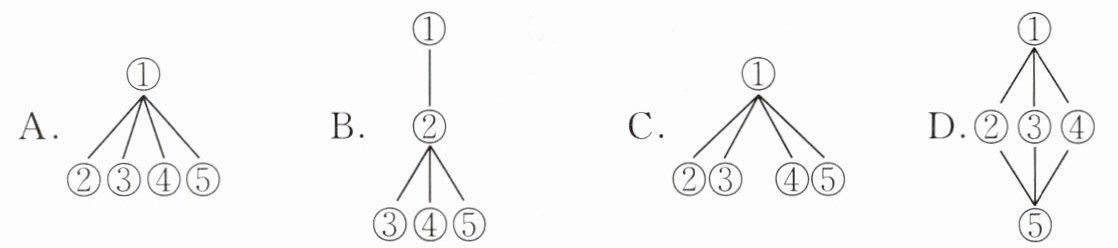
)5. Which is the right structure of the passage?(① = Paragraph 1 ② = Paragraph 2, ... )
答案
1. B 2. C 3. D 4. A 5. D
解析
【解析】
1. 第1题:文章开篇点明志愿服务的意义,随后从个人和社区层面介绍志愿服务的价值,核心是阐述人们参与志愿服务的原因,故选B。
2. 第2题:根据第三段“For instance, organizing a community clean - up helps build teamwork”可知,组织社区清洁活动可培养团队合作能力,故选C。
3. 第3题:根据最后一段“Though some face difficulty like lack of time, flexible volunteer choices... are making it easier to join”可知,灵活的志愿选择能解决志愿者没时间的问题,故选D。
4. 第4题:结合第一段中志愿者生活更幸福满足的表述及全文积极导向,可推测“fulfillment”意为“满足”,对应选项A。
5. 第5题:①段总述志愿服务对个人和社区的益处;②③④段分别从个人心理健康、个人技能提升、社区受益三个方面分述;⑤段总结志愿服务是双赢的,对应结构D。
【答案】
1. B;2. C;3. D;4. A;5. D
【知识点】
主旨大意题、细节理解题、词义猜测题
【点评】
本文围绕志愿服务的价值展开,通过多种题型考查学生对文章的综合理解能力,涵盖多类阅读理解考点。
【难度系数】
0.7
1. 第1题:文章开篇点明志愿服务的意义,随后从个人和社区层面介绍志愿服务的价值,核心是阐述人们参与志愿服务的原因,故选B。
2. 第2题:根据第三段“For instance, organizing a community clean - up helps build teamwork”可知,组织社区清洁活动可培养团队合作能力,故选C。
3. 第3题:根据最后一段“Though some face difficulty like lack of time, flexible volunteer choices... are making it easier to join”可知,灵活的志愿选择能解决志愿者没时间的问题,故选D。
4. 第4题:结合第一段中志愿者生活更幸福满足的表述及全文积极导向,可推测“fulfillment”意为“满足”,对应选项A。
5. 第5题:①段总述志愿服务对个人和社区的益处;②③④段分别从个人心理健康、个人技能提升、社区受益三个方面分述;⑤段总结志愿服务是双赢的,对应结构D。
【答案】
1. B;2. C;3. D;4. A;5. D
【知识点】
主旨大意题、细节理解题、词义猜测题
【点评】
本文围绕志愿服务的价值展开,通过多种题型考查学生对文章的综合理解能力,涵盖多类阅读理解考点。
【难度系数】
0.7
