

 登录
登录
B
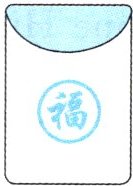
Chinese New Year is one of the most important festivals in China. During the Chinese New Year holidays, people give children money in red envelopes(信封) as gifts. These gifts are known as hongbao. They mean sharing good 1 with one’s family. Similar traditions can be found in some other Asian 2.
In South Korea, parents also 3 children money for the new year. But they don’t use red envelopes. They put money in coloured “lucky bags” which are called bokjumeoni.
There is a 4 tradition in Japan known as otoshidama. 5 the past, Japanese parents gave children sweet rice cakes. Later, they 6 to give money. They also use envelopes like Chinese. But these envelopes come in many 7, not just red.
In Singapore, parents give out a lot of red packets to their children, 8 there is not a lot of money in them. And the kids don’t mind the money. These small red packets also 9 the wishes from the elders.
Whether through 10 colours of envelopes or lucky bags, these traditions show people’s best wishes. The importance of them is not the money but the act of giving. So, let’s remember our excellent traditions and pass them down.
(一)从下面A、B、C、D四个选项中,选出一个最佳选项。
( )1. A. luck
B. jobs
C. dreams
D. health
( )2. A. towns
B. countries
C. cities
D. villages
( )3. A. give
B. show
C. ask
D. take
( )4. A. useful
B. natural
C. similar
D. hopeful
( )5. A. With
B. From
C. On
D. In
( )6. A. began
B. waited
C. left
D. moved
( )7. A. seasons
B. names
C. colours
D. pages
( )8. A. and
B. or
C. so
D. but
( )9. A. mean
B. want
C. grow
D. know
( )10. A. friendly
B. different
C. famous
D. same
Chinese New Year is one of the most important festivals in China. During the Chinese New Year holidays, people give children money in red envelopes(信封) as gifts. These gifts are known as hongbao. They mean sharing good 1 with one’s family. Similar traditions can be found in some other Asian 2.
In South Korea, parents also 3 children money for the new year. But they don’t use red envelopes. They put money in coloured “lucky bags” which are called bokjumeoni.
There is a 4 tradition in Japan known as otoshidama. 5 the past, Japanese parents gave children sweet rice cakes. Later, they 6 to give money. They also use envelopes like Chinese. But these envelopes come in many 7, not just red.
In Singapore, parents give out a lot of red packets to their children, 8 there is not a lot of money in them. And the kids don’t mind the money. These small red packets also 9 the wishes from the elders.
Whether through 10 colours of envelopes or lucky bags, these traditions show people’s best wishes. The importance of them is not the money but the act of giving. So, let’s remember our excellent traditions and pass them down.
(一)从下面A、B、C、D四个选项中,选出一个最佳选项。
( )1. A. luck
B. jobs
C. dreams
D. health
( )2. A. towns
B. countries
C. cities
D. villages
( )3. A. give
B. show
C. ask
D. take
( )4. A. useful
B. natural
C. similar
D. hopeful
( )5. A. With
B. From
C. On
D. In
( )6. A. began
B. waited
C. left
D. moved
( )7. A. seasons
B. names
C. colours
D. pages
( )8. A. and
B. or
C. so
D. but
( )9. A. mean
B. want
C. grow
D. know
( )10. A. friendly
B. different
C. famous
D. same
答案
(一)1. A 2. B 3. A
4. C 【解析】根据第三段内容,尤其是“They also use envelopes like Chinese.”可知,日本也有类似的传统。
5. D 【解析】in the past 是固定短语,意为“在过去”。
6. A 【解析】根据空前的“the past”“Later”和空后的“to give money”可知,随着时间的推移,后来日本的父母也开始给孩子钱。
7. C 【解析】根据空后的“not just red”可知,他们使用的信封颜色多样。
8. D 9. A
10. B 【解析】上文主要提到了红包或福袋的颜色不同,空处所在句表示“无论是使用不同颜色的红包还是福袋,这些传统都表达了人们最好的祝愿”。
4. C 【解析】根据第三段内容,尤其是“They also use envelopes like Chinese.”可知,日本也有类似的传统。
5. D 【解析】in the past 是固定短语,意为“在过去”。
6. A 【解析】根据空前的“the past”“Later”和空后的“to give money”可知,随着时间的推移,后来日本的父母也开始给孩子钱。
7. C 【解析】根据空后的“not just red”可知,他们使用的信封颜色多样。
8. D 9. A
10. B 【解析】上文主要提到了红包或福袋的颜色不同,空处所在句表示“无论是使用不同颜色的红包还是福袋,这些传统都表达了人们最好的祝愿”。
