

 登录
登录
B
①Mobile phones have changed a lot in recent years. They actually become more than tools for making calls. Let's look at how they've changed our lives.
②In the early days, mobile phones were very different from what we use today. The first cellphone in 1973 was as big as a brick (砖) and weighed over 1 kilogram. It could only work for 30 minutes after 10 hours of charging (充电)! By the 1980s, mobile phones became smaller but still cost 4,000, as much as a car. They were so expensive that only rich people could afford them. It was a symbol of a high status (身份). Big changes happened in the 1990s. Smartphones became cheaper and more people could buy them. The Nokia 1011 was one of the most popular models. Then in the early 2000s, phones got even smarter. Some could take photos, others had touch screens, and a type of phone even had a full keyboard for email. The biggest change came in 2007 when Apple introduced the iPhone. This was the first kind of phone that worked like a small computer. Its touch screen and special design made it very popular. Soon after, the App Store allowed people to download many useful apps.
③In the past 10 years, smartphones have become even more powerful. Now they can play high-quality videos and games that look almost like real life. Their cameras take photos as well as professional cameras did in the past. People don't need to carry cash anymore because
phones can pay for things. They also replace many other tools like maps, calculators (计算器) and flashlights.
④At the same time, Chinese brands like Huawei, Xiaomi, vivo and OPPO have become the leaders in phone technology among the world. Today's phones are much faster than those from 10 years ago, with much better cameras and batteries.
⑤From heavy "bricks" to slim smart-phones, mobile phones have changed beyond recognition. As technology keeps improving, who knows what amazing changes will come next?
根据材料内容选择最佳答案。
( )5. Which of the following is about the first cellphone in 1973?
A. It could make video calls.
B. It could last for 10 hours after charging.
C. It had a color touch screen.
D. It was as big as a brick and very heavy.
( )6. Which of the following features of phones was not mentioned in the early 2000s?
A. Phones can play games.
B. Phones had a full keyboard for emails.
C. Phones had touch screens.
D. Phones could take photos.
( )7. What can modern smartphones do according to the passage?
A. Replace computers completely.
B. Take professional-quality photos.
C. Cook food 100 times faster than humans.
D. Control the movement of cars.
( )8. How does the passage describe Chinese phone brands?
A. They are cheaper but of lower quality.
B. They are becoming world leaders.
C. They only sell their products in China.
D. They copy foreign designs.
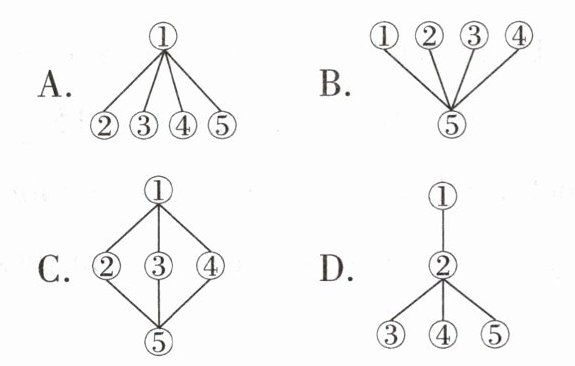
( )9. What is the best structure of the passage?
①Mobile phones have changed a lot in recent years. They actually become more than tools for making calls. Let's look at how they've changed our lives.
②In the early days, mobile phones were very different from what we use today. The first cellphone in 1973 was as big as a brick (砖) and weighed over 1 kilogram. It could only work for 30 minutes after 10 hours of charging (充电)! By the 1980s, mobile phones became smaller but still cost 4,000, as much as a car. They were so expensive that only rich people could afford them. It was a symbol of a high status (身份). Big changes happened in the 1990s. Smartphones became cheaper and more people could buy them. The Nokia 1011 was one of the most popular models. Then in the early 2000s, phones got even smarter. Some could take photos, others had touch screens, and a type of phone even had a full keyboard for email. The biggest change came in 2007 when Apple introduced the iPhone. This was the first kind of phone that worked like a small computer. Its touch screen and special design made it very popular. Soon after, the App Store allowed people to download many useful apps.
③In the past 10 years, smartphones have become even more powerful. Now they can play high-quality videos and games that look almost like real life. Their cameras take photos as well as professional cameras did in the past. People don't need to carry cash anymore because
phones can pay for things. They also replace many other tools like maps, calculators (计算器) and flashlights.
④At the same time, Chinese brands like Huawei, Xiaomi, vivo and OPPO have become the leaders in phone technology among the world. Today's phones are much faster than those from 10 years ago, with much better cameras and batteries.
⑤From heavy "bricks" to slim smart-phones, mobile phones have changed beyond recognition. As technology keeps improving, who knows what amazing changes will come next?
根据材料内容选择最佳答案。
( )5. Which of the following is about the first cellphone in 1973?
A. It could make video calls.
B. It could last for 10 hours after charging.
C. It had a color touch screen.
D. It was as big as a brick and very heavy.
( )6. Which of the following features of phones was not mentioned in the early 2000s?
A. Phones can play games.
B. Phones had a full keyboard for emails.
C. Phones had touch screens.
D. Phones could take photos.
( )7. What can modern smartphones do according to the passage?
A. Replace computers completely.
B. Take professional-quality photos.
C. Cook food 100 times faster than humans.
D. Control the movement of cars.
( )8. How does the passage describe Chinese phone brands?
A. They are cheaper but of lower quality.
B. They are becoming world leaders.
C. They only sell their products in China.
D. They copy foreign designs.
( )9. What is the best structure of the passage?
答案
5. D 由第二段第二句可知,1973年第一代手机像砖块一样大,重量超过1千克。
6. A
7. B
8. B
9. C 本文第一段引出话题,中间段落讲手机的发展,最后一段总结观点。故文章为“总—分—总”结构。
6. A
7. B
8. B
9. C 本文第一段引出话题,中间段落讲手机的发展,最后一段总结观点。故文章为“总—分—总”结构。
解析
【分析】要判断文章结构,需梳理各段落的作用:第①段引出“手机改变生活”的话题,是总起;第②-④段分别从手机的发展历程、现代智能手机的功能、中国手机品牌的地位等方面展开说明,是分述;第⑤段总结手机的巨大变化并展望未来,是总结。因此文章为总-分-总结构,对应选项C。
【解析】首先分析各段落内容:1. 第①段总起,点明手机改变生活,引出话题;2. 第②段介绍手机从1973年到2007年的发展变化;3. 第③段说明近10年智能手机的强大功能;4. 第④段讲述中国手机品牌在全球的领先地位;5. 第⑤段总结手机的变化并展望未来。整体结构是“总-分-总”,故选择C选项。
【答案】C
【知识点】阅读理解,文章结构分析
【点评】本题考查对文章整体结构的理解,需准确梳理各段落的逻辑关系,难度适中,属于中等难度的阅读理解题型。
【难度系数】0.5
【解析】首先分析各段落内容:1. 第①段总起,点明手机改变生活,引出话题;2. 第②段介绍手机从1973年到2007年的发展变化;3. 第③段说明近10年智能手机的强大功能;4. 第④段讲述中国手机品牌在全球的领先地位;5. 第⑤段总结手机的变化并展望未来。整体结构是“总-分-总”,故选择C选项。
【答案】C
【知识点】阅读理解,文章结构分析
【点评】本题考查对文章整体结构的理解,需准确梳理各段落的逻辑关系,难度适中,属于中等难度的阅读理解题型。
【难度系数】0.5
