

 登录
(B)
Walking in the street, we can see colorful clothes here and there. We can also buy colorful clothes easily today. But how about people in old times?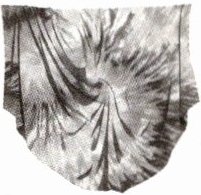
Tie dyeing(扎染) is a very old way of clothes dyeing in China. It has a history of over 1,500 years. In the old days, the Bai people living at the foot of Cangshan Mountain in Yunnan used tie dyeing to color their clothes. In 2006, the tie dyeing skill became China’s national intangible cultural heritage(国家级非物质文化遗产).
Tie dyeing is very interesting. First, we need a piece of cloth. Then we tie the cloth into different shapes. These tied parts will stop the dye from getting in, so when we put the cloth into the dye bath, the tied parts will stay in the original(原有的) color, and the rest parts will be dyed with beautiful colors. When we open the cloth, we’ll see amazing patterns(图案) and colors on it.
Yang Cheng is one of the most famous tie dyeing artists. He learned to tie-dye from his mother in the 1980s and now he is teaching his daughter this skill.
根据短文内容,从题中所给的A、B、C、D四个选项中选出最佳选项。
()6. When did Chinese people began to tie-dye cloth?
A. 1,500 years ago. B. In 1980s.
C. 2,000 years ago. D. In 2006.
()7. Why do we tie the cloth before putting it into the dye bath?
A. To make tie dyeing interesting.
B. To stop the dye from getting in.
C. To dye the cloth with beautiful colors.
D. To change the cloth into different colors.
()8. Who taught Yang Cheng the tie dyeing skill?
A. His father.
B. His mother.
C. His daughter.
D. His grandfather.
( )9. How does the writer lead to the topic “tie dyeing” at the beginning?
A. By telling a story.
B. By making a survey.
C. By showing an example.
D. By asking a question.
()10. Which of the following is the best title of this text?
A. A Famous Artist
B. Colorful Clothes in Streets
C. Tie Dyeing—A Chinese Art
D. Different Colors in Tie Dyeing
Walking in the street, we can see colorful clothes here and there. We can also buy colorful clothes easily today. But how about people in old times?
Tie dyeing(扎染) is a very old way of clothes dyeing in China. It has a history of over 1,500 years. In the old days, the Bai people living at the foot of Cangshan Mountain in Yunnan used tie dyeing to color their clothes. In 2006, the tie dyeing skill became China’s national intangible cultural heritage(国家级非物质文化遗产).
Tie dyeing is very interesting. First, we need a piece of cloth. Then we tie the cloth into different shapes. These tied parts will stop the dye from getting in, so when we put the cloth into the dye bath, the tied parts will stay in the original(原有的) color, and the rest parts will be dyed with beautiful colors. When we open the cloth, we’ll see amazing patterns(图案) and colors on it.
Yang Cheng is one of the most famous tie dyeing artists. He learned to tie-dye from his mother in the 1980s and now he is teaching his daughter this skill.
根据短文内容,从题中所给的A、B、C、D四个选项中选出最佳选项。
()6. When did Chinese people began to tie-dye cloth?
A. 1,500 years ago. B. In 1980s.
C. 2,000 years ago. D. In 2006.
()7. Why do we tie the cloth before putting it into the dye bath?
A. To make tie dyeing interesting.
B. To stop the dye from getting in.
C. To dye the cloth with beautiful colors.
D. To change the cloth into different colors.
()8. Who taught Yang Cheng the tie dyeing skill?
A. His father.
B. His mother.
C. His daughter.
D. His grandfather.
( )9. How does the writer lead to the topic “tie dyeing” at the beginning?
A. By telling a story.
B. By making a survey.
C. By showing an example.
D. By asking a question.
()10. Which of the following is the best title of this text?
A. A Famous Artist
B. Colorful Clothes in Streets
C. Tie Dyeing—A Chinese Art
D. Different Colors in Tie Dyeing
答案
6. A 由第二段第二句可知,扎染始于1 500多年以前。故选 A。
7. B 由第三段第四句可知原因。故选 B。
8. B 由第四段第二句可知,他跟母亲学的扎染。故选 B。
9. D 由第一段可知,作者用问句引出了“扎染”这个话题。故选 D。
10. C 本文主要讲扎染艺术。故选 C。
7. B 由第三段第四句可知原因。故选 B。
8. B 由第四段第二句可知,他跟母亲学的扎染。故选 B。
9. D 由第一段可知,作者用问句引出了“扎染”这个话题。故选 D。
10. C 本文主要讲扎染艺术。故选 C。
(C)
Walking in the hutongs of Beijing, you may come across a special kind of building. That is Siheyuan. 11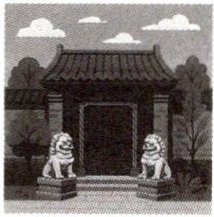
(文化).
Ancient Chinese people began to build this kind of building about 3,000 years ago in the Western Zhou dynasty. 12
The houses in the Siheyuan are built in a certain(特定的) order. 13
15
Next time when you come to Beijing, don’t forget to visit a Siheyuan. You’re sure to have a wonderful experience!
根据短文内容,从选项中选出能填入空白处的最佳选项。选项中有两项为多余选项。
A. The main house is on the north.
B. The Siheyuan are mainly made of glass and steel these days.
C. Children could run and play games in the yard.
D. The Siheyuan is a traditional Chinese art of buildings.
E. However, with the development of the city, the Siheyuan are out of time.
F. A Siheyuan has houses and walls on four sides.
G. Most Siheyuan in Beijing are located near the beaches.
11.
Walking in the hutongs of Beijing, you may come across a special kind of building. That is Siheyuan. 11
D
Now it is an important symbol of Beijing’s history and culture (文化).
Ancient Chinese people began to build this kind of building about 3,000 years ago in the Western Zhou dynasty. 12
F
And it has a yard in the middle.The houses in the Siheyuan are built in a certain(特定的) order. 13
A
The old family members usually live there. There are wing-rooms(厢房) on the east and west of the Siheyuan. The young family members live there according to their age. 14 C
15
E
Designers and builders are re-designing them. They try to make the Siheyuans more suitable(适合的) for modern people to live in.Next time when you come to Beijing, don’t forget to visit a Siheyuan. You’re sure to have a wonderful experience!
根据短文内容,从选项中选出能填入空白处的最佳选项。选项中有两项为多余选项。
A. The main house is on the north.
B. The Siheyuan are mainly made of glass and steel these days.
C. Children could run and play games in the yard.
D. The Siheyuan is a traditional Chinese art of buildings.
E. However, with the development of the city, the Siheyuan are out of time.
F. A Siheyuan has houses and walls on four sides.
G. Most Siheyuan in Beijing are located near the beaches.
11.
D
12. F
13. A
14. C
15. E
答案
11. D 12. F 13. A 14. C 15. E
