

 登录
Managing money well
Managing Money: Past and Present
Read & answer: How do people manage money differently then and now?
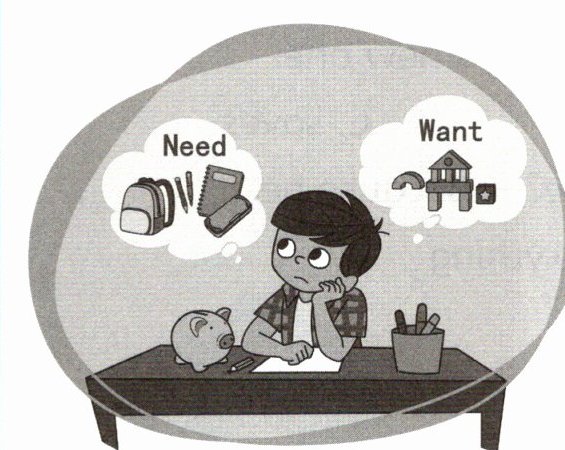
People manage their money in different ways from the past to the present, but some good ideas about money never change. Whether in the past or present, people know that saving money for daily life is important. They also learn to balance what they need and what they want. They buy necessary things first, and then spend the rest on things they wish for. No matter when, wasting money is never a good habit.
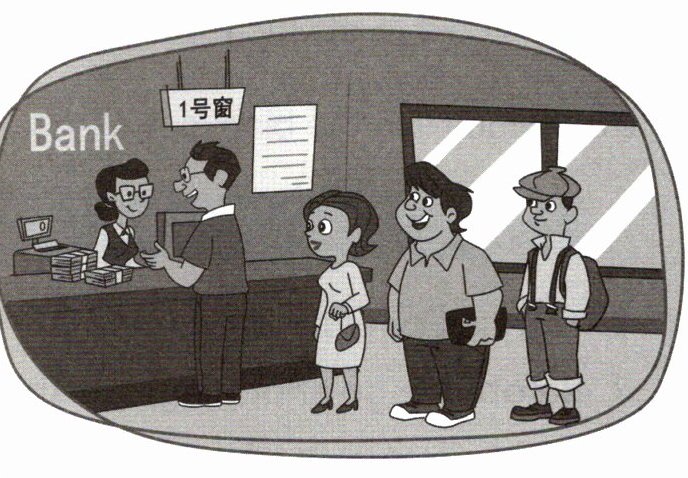
In the past, most people managed money in simple ways. They put most of their money in banks. It took a long time to save or take out money, like waiting at the bank. They used cash for almost everything, and only bought the most necessary things for their families.
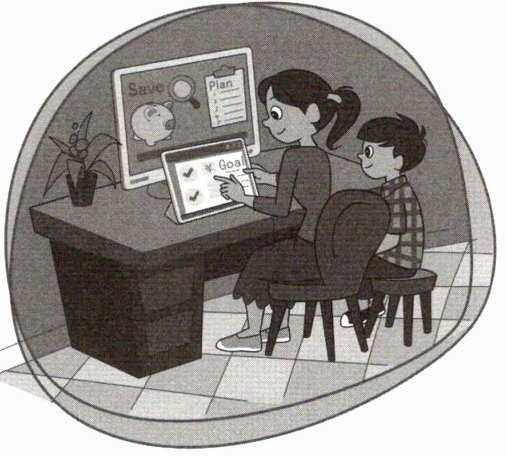
Now, people have easier ways to manage their money. They can save money, plan their spending, and check their savings easily through online services. They can also record their spending with simple online tools, and set small savings goals for the future. It is fast and convenient to manage money now.
From the past to the present, money management has changed a lot. These good habits of saving and spending wisely still help people live a better life.
(Text in illustrations: Figure1: "Need", "Want"; Figure2: "Bank", "1号窗"; Figure3: "Save", "Plan", "Gas")
Ⅰ. Read and tick or cross. 读一读,判断对(√)错(×)。
(
(
(
Ⅱ. Read and fill in the blanks. 读一读,选出正确的单词填空。
waste goals record convenient necessary
Dear grandparents,
How are you? I want to tell you about how people manage money now.
Long ago, most people kept their money in banks. They bought 1.
Today, things are different. With online banking, most people can 3.
Yours,
Lily
Managing Money: Past and Present
Read & answer: How do people manage money differently then and now?
People manage their money in different ways from the past to the present, but some good ideas about money never change. Whether in the past or present, people know that saving money for daily life is important. They also learn to balance what they need and what they want. They buy necessary things first, and then spend the rest on things they wish for. No matter when, wasting money is never a good habit.
In the past, most people managed money in simple ways. They put most of their money in banks. It took a long time to save or take out money, like waiting at the bank. They used cash for almost everything, and only bought the most necessary things for their families.
Now, people have easier ways to manage their money. They can save money, plan their spending, and check their savings easily through online services. They can also record their spending with simple online tools, and set small savings goals for the future. It is fast and convenient to manage money now.
From the past to the present, money management has changed a lot. These good habits of saving and spending wisely still help people live a better life.
(Text in illustrations: Figure1: "Need", "Want"; Figure2: "Bank", "1号窗"; Figure3: "Save", "Plan", "Gas")
Ⅰ. Read and tick or cross. 读一读,判断对(√)错(×)。
(
√
) 1. Most people used cash for almost everything in the past.(
×
) 2. Most people can only go to banks to manage money today.(
√
) 3. It’s not right to waste money.Ⅱ. Read and fill in the blanks. 读一读,选出正确的单词填空。
waste goals record convenient necessary
Dear grandparents,
How are you? I want to tell you about how people manage money now.
Long ago, most people kept their money in banks. They bought 1.
necessary
things for life first. All the people tried not to 2. waste
money.Today, things are different. With online banking, most people can 3.
record
their daily spending at home. They also set small savings 4. goals
for themselves. This way of managing money is fast and 5. convenient
. Good money habits stay important all the time.Yours,
Lily
答案
1. √ 2. × 3. √
1. necessary 2. waste 3. record 4. goals 5. convenient
解析
【分析】
本题为英语阅读理解题,包含判断正误和选词填空两类题型。解题思路:①做判断正误题时,需先明确每个小题的关键信息,再回到原文中定位对应内容,对比题目表述与原文内容,判断对错;②做选词填空题时,先理解所给词汇的含义,再结合上下文语境,从原文中找到匹配的表述,选择合适词汇填空。
【解析】
Ⅰ. 判断正误:
1. 定位原文第二段最后一句“They used cash for almost everything”,与题目表述一致,故判断为√;
2. 定位原文第三段第二句“They can save money, plan their spending, and check their savings easily through online services”,说明现在可通过线上服务管理资金,并非只能去银行,故判断为×;
3. 定位原文第一段最后一句“No matter when, wasting money is never a good habit”,说明浪费钱是不对的,故判断为√。
Ⅱ. 选词填空:
1. 结合语境“bought ____ things for life first”,对应原文第一段“They buy necessary things first”,故填necessary;
2. 结合语境“tried not to ____ money”,对应原文“No matter when, wasting money is never a good habit”,故填waste;
3. 结合语境“can ____ their daily spending”,对应原文第三段“record their spending with simple online tools”,故填record;
4. 结合语境“set small savings ____”,对应原文第三段“set small savings goals for the future”,故填goals;
5. 结合语境“fast and ____”,对应原文第三段“It is fast and convenient to manage money now”,故填convenient。
【答案】
1. √ 2. × 3. √
1. necessary 2. waste 3. record 4. goals 5. convenient
【知识点】
阅读理解细节理解、词汇运用
【点评】
本题考查学生对英语阅读文本的细节查找能力和词汇的语境运用能力,题目难度适中,适合基础阶段学生练习。
【难度系数】
0.7
