

 登录
登录
(一)(2025·盐城东台阶段检测)
Summer holiday in America usually comes in July and 1. A
2. b
Some people like to 3. s
garden, 4. v
sea, they often go to the seaside. They can fish, swim or 5. e
Many Americans like 6. m
enough time and money to 7. t
The United States is a large country. Many families travel by car or by train to see
beautiful places in their 8. o
and Los Angeles.
Not everyone likes to go to busy cities. Some families travel to the mountains or valleys.
They usually 9. t
10. s
Summer holiday in America usually comes in July and 1. A
August
. It is the2. b
best
time for many people to rest and travel.Some people like to 3. s
stay
at home during their holiday. They can work in thegarden, 4. v
visit
their friends and relatives, read books or watch TV. If they live near thesea, they often go to the seaside. They can fish, swim or 5. e
enjoy
the sun there.Many Americans like 6. m
meeting
people from other countries. Some people haveenough time and money to 7. t
travel
to other countries.The United States is a large country. Many families travel by car or by train to see
beautiful places in their 8. o
own
country, such as New York, Chicago, San Franciscoand Los Angeles.
Not everyone likes to go to busy cities. Some families travel to the mountains or valleys.
They usually 9. t
take
many photos of the places they visit. It is always fun to10. s
share
them with their friends.答案
1. August 2. best 3. stay 4. visit 5. enjoy 6. meeting 7. travel 8. own 9. take 10. share
解析
【分析】这是一道英语首字母填空题,解题思路为:先通读全文把握文章大意,再逐句分析每个空的语境、语法搭配,结合首字母提示确定合适的单词,最后验证单词形式是否符合句子要求。
【解析】1. 根据常识,美国暑假通常在七月和八月,结合首字母a,填August;2. 此处表示“对很多人来说是休息和旅行的最佳时间”,结合首字母b,填best;3. “待在家”是固定搭配stay at home,结合首字母s,填stay;4. 此处表示“拜访亲友”,结合首字母v,填visit;5. “享受阳光”是enjoy the sun,结合首字母e,填enjoy;6. like后接动名词,结合首字母m,meet的动名词为meeting,填meeting;7. 此处表示“去其他国家旅行”,结合首字母t,填travel;8. “自己的国家”是固定搭配own country,结合首字母o,填own;9. “拍照”是固定搭配take photos,结合首字母t,填take;10. 此处表示“和朋友分享”,结合首字母s,填share。
【答案】1. August 2. best 3. stay 4. visit 5. enjoy 6. meeting 7. travel 8. own 9. take 10. share
【知识点】英语词汇运用、首字母填空
【点评】本题考查学生对常用英语词汇的掌握及语境理解能力,属于基础题型,难度适中。
【难度系数】0.6
【解析】1. 根据常识,美国暑假通常在七月和八月,结合首字母a,填August;2. 此处表示“对很多人来说是休息和旅行的最佳时间”,结合首字母b,填best;3. “待在家”是固定搭配stay at home,结合首字母s,填stay;4. 此处表示“拜访亲友”,结合首字母v,填visit;5. “享受阳光”是enjoy the sun,结合首字母e,填enjoy;6. like后接动名词,结合首字母m,meet的动名词为meeting,填meeting;7. 此处表示“去其他国家旅行”,结合首字母t,填travel;8. “自己的国家”是固定搭配own country,结合首字母o,填own;9. “拍照”是固定搭配take photos,结合首字母t,填take;10. 此处表示“和朋友分享”,结合首字母s,填share。
【答案】1. August 2. best 3. stay 4. visit 5. enjoy 6. meeting 7. travel 8. own 9. take 10. share
【知识点】英语词汇运用、首字母填空
【点评】本题考查学生对常用英语词汇的掌握及语境理解能力,属于基础题型,难度适中。
【难度系数】0.6
(二)(2025·宿迁泗阳一模改编)
Bai Juyi was a very famous poet in the Tang Dynasty. People call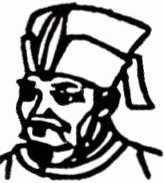
11. h "the King of Poets". Bai Juyi was born into a family of scholars(学者) in 772 in Xinzheng of Henan Province. 12. W he was a little kid, he was really smart. Before he could speak, he could recognize Chinese characters. He
13. b to write poems at the age of five. By the time he was nine, he had already been excellent at 14. w poetry.
When Bai Juyi grew up, he became an office 15. w in the Tang Dynasty. But in 815, some people who didn't like him said bad things about him. So he was sent to a lower position and went to Jiangzhou. Bai Juyi was very sad. One day, when he was walking by a river, he heard a young woman 16. p really nice music. He found out that before she got married, the woman had a happy life as a 17. s and a pipa player. Now, her husband was always away on business to 18. s the family, so she was often alone. Then Bai Juyi wrote a very beautiful long poem 19. c The Song of the Pipa. It was
about the nice music she played and her life 20. s.
Many of Bai Juyi's poems are still very famous now. Even little kids can remember and recite some of them.
(三)(2025·南通海门一模改编)
Guyu, or Grain Rain, is the sixth solar term in the traditional Chinese lunar calendar. It usually arrives around April 19-21. The weather becomes warmer and the rainfall increases rapidly. This marks the end of cold weather and the beginning of a 21. r ______ season. Farmers are busy growing rice, wheat and other crops, in the hope that they will achieve a 22. s ______ harvest in the coming autumn.
Besides agriculture, Grain Rain is also of cultural 23. i to Chinese people. The Grain Rain Festival is celebrated in fishing villages across the coastal areas of eastern China. Grain Rain marks the start of the 24. f first long journey of the year. The custom dates back to more than 2,000 years ago, when people 25. b the gods protected them from stormy seas. People would worship(敬奉) the sea during the Grain Rain Festival, hoping for a good harvest and the 26. s of their loved ones.
During Grain Rain, in southern China, people usually drink tea. Spring tea during Grain Rain is rich in vitamins and amino acids(氨基酸) which 27. h to take heat away from the body and are good for the eyes. Drinking tea on this day is said to help avoid bad luck.
People in northern China usually eat Chinese toon, which is a vegetable with lots of 28. l. The vegetable has a fresh and special taste. It is good for the stomach and skin. It can help to make our bodies 29. h and stronger.
Around Guyu, the peony produces flowers. The peony is known as the "Queen of All Flowers" in Chinese culture. Many people go out to 30. e the local peonies. In Shandong, Henan and Sichuan, there are even festivals to appreciate the beauty of the peony.
(四)(2025·南京联合体一模)
Bai Juyi was a very famous poet in the Tang Dynasty. People call
11. h "the King of Poets". Bai Juyi was born into a family of scholars(学者) in 772 in Xinzheng of Henan Province. 12. W he was a little kid, he was really smart. Before he could speak, he could recognize Chinese characters. He
13. b to write poems at the age of five. By the time he was nine, he had already been excellent at 14. w poetry.
When Bai Juyi grew up, he became an office 15. w in the Tang Dynasty. But in 815, some people who didn't like him said bad things about him. So he was sent to a lower position and went to Jiangzhou. Bai Juyi was very sad. One day, when he was walking by a river, he heard a young woman 16. p really nice music. He found out that before she got married, the woman had a happy life as a 17. s and a pipa player. Now, her husband was always away on business to 18. s the family, so she was often alone. Then Bai Juyi wrote a very beautiful long poem 19. c The Song of the Pipa. It was
about the nice music she played and her life 20. s.
Many of Bai Juyi's poems are still very famous now. Even little kids can remember and recite some of them.
(三)(2025·南通海门一模改编)
Guyu, or Grain Rain, is the sixth solar term in the traditional Chinese lunar calendar. It usually arrives around April 19-21. The weather becomes warmer and the rainfall increases rapidly. This marks the end of cold weather and the beginning of a 21. r ______ season. Farmers are busy growing rice, wheat and other crops, in the hope that they will achieve a 22. s ______ harvest in the coming autumn.
Besides agriculture, Grain Rain is also of cultural 23. i to Chinese people. The Grain Rain Festival is celebrated in fishing villages across the coastal areas of eastern China. Grain Rain marks the start of the 24. f first long journey of the year. The custom dates back to more than 2,000 years ago, when people 25. b the gods protected them from stormy seas. People would worship(敬奉) the sea during the Grain Rain Festival, hoping for a good harvest and the 26. s of their loved ones.
During Grain Rain, in southern China, people usually drink tea. Spring tea during Grain Rain is rich in vitamins and amino acids(氨基酸) which 27. h to take heat away from the body and are good for the eyes. Drinking tea on this day is said to help avoid bad luck.
People in northern China usually eat Chinese toon, which is a vegetable with lots of 28. l. The vegetable has a fresh and special taste. It is good for the stomach and skin. It can help to make our bodies 29. h and stronger.
Around Guyu, the peony produces flowers. The peony is known as the "Queen of All Flowers" in Chinese culture. Many people go out to 30. e the local peonies. In Shandong, Henan and Sichuan, there are even festivals to appreciate the beauty of the peony.
(四)(2025·南京联合体一模)
答案
11. him 12. When 13. began 14. writing 15. worker 16. playing 17. singer 18. support 19. called 20. story
21. rainy 22. successful 23. importance 24. fishermen's 25. believed 26. safety 27. help 28. leaves 29. healthier 30. enjoy
21. rainy 22. successful 23. importance 24. fishermen's 25. believed 26. safety 27. help 28. leaves 29. healthier 30. enjoy
解析
【分析】先通读两篇短文,把握主旨(第一篇介绍唐代诗人白居易的生平,第二篇讲解中国传统节气谷雨的相关知识);再结合每个空的上下文语境、时态要求、固定搭配、词性变化(如名词所有格、动名词、比较级等),逐一确定合适的单词,注意人称代词、连词、动词形式等细节。
【解析】11. 指代前文的Bai Juyi,作动词call的宾语,用宾格代词him;12. 引导时间状语从句,表“当……时”,填When;13. 描述过去的动作“开始写诗”,用begin的过去式began;14. be good at后接动名词,“写诗”是write poems,故填writing;15. office worker是固定搭配,意为“办公室职员”,填worker;16. hear sb doing sth表示“听到某人正在做某事”,此处指听到女子正在演奏音乐,填playing;17. 结合后文的pipa player(琵琶手),此处指职业“歌手”,填singer;18. support the family是固定短语,意为“养家”,填support;19. 过去分词作后置定语,表“被叫做”,填called;20. 结合语境,此处指女子的生活故事,填story;21. 前文提到降雨增加,标志着雨季的开始,填rainy;22. successful harvest是固定搭配,意为“丰收”,填successful;23. cultural importance意为“文化重要性”,用名词形式importance;24. 此处指渔民的首次远航,用名词所有格fishermen's;25. 描述过去的动作“相信”,用believe的过去式believed;26. 此处指亲人的安全,用名词safety;27. help to do sth意为“帮助做某事”,填help;28. lots of后接名词复数,“叶子”的复数是leaves;29. 与stronger并列,用形容词比较级healthier;30. 此处指欣赏牡丹,填enjoy。
【答案】11. him 12. When 13. began 14. writing 15. worker 16. playing 17. singer 18. support 19. called 20. story 21. rainy 22. successful 23. importance 24. fishermen's 25. believed 26. safety 27. help 28. leaves 29. healthier 30. enjoy
【知识点】英语完形填空、词汇运用、固定搭配
【点评】本题为中考一模改编的完形填空题,题材涵盖名人传记与传统文化常识,重点考察学生的上下文理解能力、词汇运用及词性变化能力,符合初中英语的考察要求。
【难度系数】0.6
【解析】11. 指代前文的Bai Juyi,作动词call的宾语,用宾格代词him;12. 引导时间状语从句,表“当……时”,填When;13. 描述过去的动作“开始写诗”,用begin的过去式began;14. be good at后接动名词,“写诗”是write poems,故填writing;15. office worker是固定搭配,意为“办公室职员”,填worker;16. hear sb doing sth表示“听到某人正在做某事”,此处指听到女子正在演奏音乐,填playing;17. 结合后文的pipa player(琵琶手),此处指职业“歌手”,填singer;18. support the family是固定短语,意为“养家”,填support;19. 过去分词作后置定语,表“被叫做”,填called;20. 结合语境,此处指女子的生活故事,填story;21. 前文提到降雨增加,标志着雨季的开始,填rainy;22. successful harvest是固定搭配,意为“丰收”,填successful;23. cultural importance意为“文化重要性”,用名词形式importance;24. 此处指渔民的首次远航,用名词所有格fishermen's;25. 描述过去的动作“相信”,用believe的过去式believed;26. 此处指亲人的安全,用名词safety;27. help to do sth意为“帮助做某事”,填help;28. lots of后接名词复数,“叶子”的复数是leaves;29. 与stronger并列,用形容词比较级healthier;30. 此处指欣赏牡丹,填enjoy。
【答案】11. him 12. When 13. began 14. writing 15. worker 16. playing 17. singer 18. support 19. called 20. story 21. rainy 22. successful 23. importance 24. fishermen's 25. believed 26. safety 27. help 28. leaves 29. healthier 30. enjoy
【知识点】英语完形填空、词汇运用、固定搭配
【点评】本题为中考一模改编的完形填空题,题材涵盖名人传记与传统文化常识,重点考察学生的上下文理解能力、词汇运用及词性变化能力,符合初中英语的考察要求。
【难度系数】0.6
