

 登录
登录
(
A.get; On
B.to get; By
C.get to; On
C
) 1.—How can we the zoo? — foot.A.get; On
B.to get; By
C.get to; On
答案
C
解析
1. 情态动词can后接动词原形,“到达某地”用固定表达get to,故第一空填get to;2. “步行”的固定搭配是on foot,句首单词首字母大写,故第二空填On。综上选C。
() 2.I don't have nice clothes shoes.
A.some; and
B.any; and
C.any; or
A.some; and
B.any; and
C.any; or
答案
C
解析
1. 本句为否定句(含don't),否定句中表示“一些”需用any,不用some;2. 否定句中连接并列成分要用or,不用and。综上选C。
(
A.visit
B.visits
C.visits to
B
) 3.He every house.A.visit
B.visits
C.visits to
答案
B
解析
本题考查一般现在时的用法。主语He是第三人称单数,谓语动词需用第三人称单数形式;visit是及物动词,后面直接接宾语,无需加to。A为动词原形,不符合要求;C多了介词to,用法错误;B是visit的第三人称单数形式,用法正确。
() 4.Let's the metro now.
A.to take
B.takes
C.take
A.to take
B.takes
C.take
答案
C
解析
本题考查let's的用法,let's后接动词原形。选项A是动词不定式,B是动词第三人称单数形式,C是动词原形,因此选C。
() 5.—What Tom like doing?
—He likes watching cartoons.
A.do
B.does
C.doing
—He likes watching cartoons.
A.do
B.does
C.doing
答案
B
解析
本题考查一般现在时特殊疑问句的用法。主语Tom是第三人称单数,特殊疑问句中需借助助动词does,故应选B。
() 6.There's a bookshop Moon Street.
A.in
B.on
C.at
A.in
B.on
C.at
答案
B
解析
在英语中,表示在某条街道上,介词用on。本题中Moon Street是街道名称,应选on。
() 7.选出下列句子朗读符号标注正确的一项:。
A.How can I get to the park?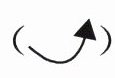
B.Where's the toilet?
C.What's wrong with you?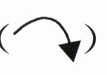
A.How can I get to the park?
B.Where's the toilet?
C.What's wrong with you?
答案
C
解析
1. 以how、where、what等疑问词开头的特殊疑问句,朗读时一般用降调(↘);一般疑问句朗读时用升调(↗)。
2. A、B选项均为特殊疑问句,标注升调,不符合规则;C选项是特殊疑问句,标注降调,符合规则。
2. A、B选项均为特殊疑问句,标注升调,不符合规则;C选项是特殊疑问句,标注降调,符合规则。
() 8.How your friends now?
A.does; feel
B.are; feels
C.do; feel
A.does; feel
B.are; feels
C.do; feel
答案
C
解析
本题考查一般现在时的特殊疑问句用法。主语your friends是复数,助动词用do,实义动词用原形feel。A选项中does用于第三人称单数主语,不符合;B选项中are后不能接动词第三人称单数形式,结构错误;C选项符合语法规则。
() 9.Mike's fingers . He do his homework.
A.hurts; can
B.hurt; should
C.hurt; can't
A.hurts; can
B.hurt; should
C.hurt; can't
答案
C
解析
1. 第一空:主语Mike's fingers是复数,一般现在时中谓语动词用原形,因此第一空填hurt,排除A选项;2. 第二空:根据语境,手指受伤后无法做作业,can't表示“不能”,符合逻辑,should不符合,故选择C。
(
A.wants; to
B.want; to
C.wants; for
C
)10.The mother to buy a new dress her daughter.A.wants; to
B.want; to
C.wants; for
答案
C
解析
1. 主语the mother是第三人称单数,一般现在时中谓语动词需用第三人称单数形式,want的第三人称单数是wants,排除B选项;2. “为某人买某物”的固定搭配为buy sth for sb,故第二个空填for,因此选C。
