

 登录
三、阅读理解
第一节 阅读下面短文,根据短文内容,从题中所给的 A、B、C、D 四个选项中选出最佳选项。
A
Look at the boy. He is Tian Zheng, a middle school student from the ancient town of Qingzhou in Shandong. Here is his story of practicing the lion dance, a traditional art in China.
Tian enjoys practicing the lion dance in his free time. His lion dance teacher is Li Hongxin, an excellent lion dancer. “The lion dance has a long history in China,” Mr. Li says. “I hope more young people can learn it, so I give the lion dance class to them.”
Now there are about thirty boys and girls in Mr. Li’s class. They take the lion dance class on Wednesday afternoon. On weekends, they also have the class and practice the lion dance.
Tian Zheng is one of the students in this class. “The lion dance is cool,” Tian says. “But it is not easy to be a good lion dancer. Look at my lion head. It’s about 10 kg. It’s hard for a young boy to lift it.” However, after two years of learning, Tian is a great lion dancer now. He not only learns a traditional art but also becomes healthy and brave.
Tian’s story encourages other young people to learn about the traditional culture of China. And it’s our duty to keep our old traditions.
(
A. Tian’s parents.
B. Tian’s friends.
C. Tian’s teacher.
D. Tian’s hometown.
(
A. On Wednesday.
B. On Friday.
C. On Saturday.
D. On Sunday.
(
A. Put up. B. Set up.
C. Get up. D. Look up.
(
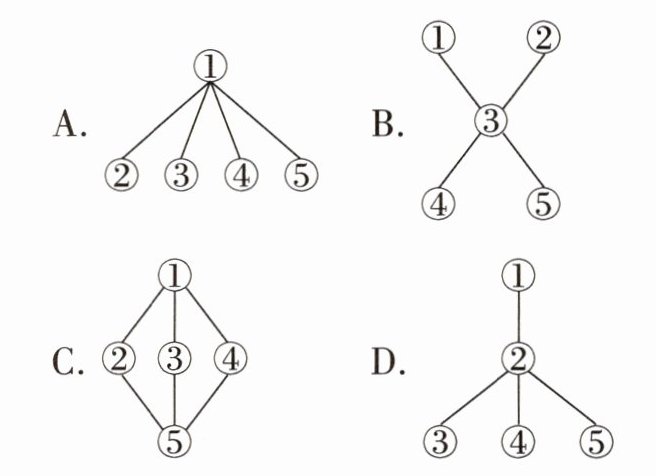
A.
B.
C.
D.
(
A. A Cool After-class Club
B. A Young Boy’s Big Dream
C. A Great Young Lion Dancer
D. The History of the Chinese Lion Dance
第一节 阅读下面短文,根据短文内容,从题中所给的 A、B、C、D 四个选项中选出最佳选项。
A
Look at the boy. He is Tian Zheng, a middle school student from the ancient town of Qingzhou in Shandong. Here is his story of practicing the lion dance, a traditional art in China.
Tian enjoys practicing the lion dance in his free time. His lion dance teacher is Li Hongxin, an excellent lion dancer. “The lion dance has a long history in China,” Mr. Li says. “I hope more young people can learn it, so I give the lion dance class to them.”
Now there are about thirty boys and girls in Mr. Li’s class. They take the lion dance class on Wednesday afternoon. On weekends, they also have the class and practice the lion dance.
Tian Zheng is one of the students in this class. “The lion dance is cool,” Tian says. “But it is not easy to be a good lion dancer. Look at my lion head. It’s about 10 kg. It’s hard for a young boy to lift it.” However, after two years of learning, Tian is a great lion dancer now. He not only learns a traditional art but also becomes healthy and brave.
Tian’s story encourages other young people to learn about the traditional culture of China. And it’s our duty to keep our old traditions.
(
D
)21. What do we know about Tian Zheng from Paragraph 1?A. Tian’s parents.
B. Tian’s friends.
C. Tian’s teacher.
D. Tian’s hometown.
(
B
)22. When DON’T those boys and girls take the lion dance class?A. On Wednesday.
B. On Friday.
C. On Saturday.
D. On Sunday.
(
A
)23. What does the underlined word “lift” mean?A. Put up. B. Set up.
C. Get up. D. Look up.
(
C
)24. What’s the structure of the text?A.
B.
C.
D.
(
C
)25. Which can be the best title for the text?A. A Cool After-class Club
B. A Young Boy’s Big Dream
C. A Great Young Lion Dancer
D. The History of the Chinese Lion Dance
答案
21. D 由第一段第二句可知,田峥是山东青州古城的一名中学生,故选 D。
22. B 由第三段第二句、第三句可知,他们只在周三和周末上课,所以周五不上课,故选 B。
23. A 由第四段田峥所说的话可知,狮子的头部很重,田峥很难举起它。故画线单词 lift 意为 put up,“举起”,故选 A。
24. C 由全文可知,第一段总述人物及故事背景,第二、第三、第四段分别从不同角度讲述了田峥学习舞狮的过程,第五段总结他的故事的意义,故选 C。
25. C 由全文可知,本文主要讲述了一个优秀的年轻舞狮者的故事,故选 C。
22. B 由第三段第二句、第三句可知,他们只在周三和周末上课,所以周五不上课,故选 B。
23. A 由第四段田峥所说的话可知,狮子的头部很重,田峥很难举起它。故画线单词 lift 意为 put up,“举起”,故选 A。
24. C 由全文可知,第一段总述人物及故事背景,第二、第三、第四段分别从不同角度讲述了田峥学习舞狮的过程,第五段总结他的故事的意义,故选 C。
25. C 由全文可知,本文主要讲述了一个优秀的年轻舞狮者的故事,故选 C。
解析
翻译:
三、阅读理解
第一节 阅读下面短文,根据短文内容,从题中所给的A、B、C、D四个选项中选出最佳选项。
A
看这个男孩。他叫田正,是来自山东青州古镇的一名中学生。以下是他练习中国传统艺术——舞狮的故事。
田正喜欢在空闲时间练习舞狮。他的舞狮老师是李红心,一位优秀的舞狮者。“舞狮在中国有着悠久的历史,”李老师说,“我希望更多的年轻人能学习它,所以我给他们上舞狮课。”
现在李老师的班里大约有三十名男孩和女孩。他们在周三下午上舞狮课。在周末,他们也上课并练习舞狮。
田正是这个班里的学生之一。“舞狮很酷,”田正说,“但要成为一名优秀的舞狮者并不容易。看看我的狮头。它大约有10公斤重。对于一个小男孩来说,举起它很难。”然而,经过两年的学习,田正现在是一名很棒的舞狮者了。他不仅学习了一门传统艺术,还变得健康和勇敢。
田正的故事鼓励其他年轻人了解中国的传统文化。而且,传承我们的古老传统是我们的责任。
( )21. 从第一段中我们对田正有什么了解?
A. 田正的父母。
B. 田正的朋友。
C. 田正的老师。
D. 田正的家乡。
( )22. 那些男孩和女孩什么时候不上舞狮课?
A. 周三。
B. 周五。
C. 周六。
D. 周日。
( )23. 划线单词“lift”是什么意思?
A. 举起。
B. 建立。
C. 起床。
D. 查阅。
( )24. 这篇文章的结构是怎样的?
A.
B.
C.
D.
( )25. 这篇文章的最佳标题是什么?
A. 一个很酷的课外俱乐部
B. 一个小男孩的大梦想
C. 一位优秀的年轻舞狮者
D. 中国舞狮的历史
B
Walking in the street, we can see colorful clothes here and there. We can buy colorful clothes easily today. But how about people in old times?
Tie-dye (扎染) is a very old way of dyeing clothes in China. It has a history of over 1,500 years. In the old days, the Bai ethnic (民族的) people living at the foot of Cangshan Mountain in Yunnan used tie-dye to color their clothes. In 2006, the tie-dye skill became China’s national intangible cultural heritage (国家级非物质文化遗产).
Tie-dye is very interesting. First, we need a piece of cloth. Then we tie the cloth into different shapes. These tied parts will stop the dye (染料) from getting in, so when we put the cloth into the dye bath, the tied parts will stay the original (原有的) color, and the rest parts will be dyed (染) with beautiful colors. When we open out the cloth, we’ll see amazing patterns (图案) and colors on it. There are so many colors we can use in tie-dye, like bright blue, orange, pink and so on.
Yang Cheng is one of the most famous tie-dye artists. He learned tie-dye from his mother in the 1980s and now he is teaching his daughter this skill. He said tie-dye was not only a way to make amazing clothes, but also an important part of Chinese art. “We should be proud of it and try to learn it and pass it on,” once he said to a reporter.
(
A. 1,500 years ago.
B. In the 1980s.
C. 2,000 years ago.
D. In 2006.
(
A. To make tie-dye interesting.
B. To stop the dye from getting in.
C. To dye the cloth with beautiful colors.
D. To change the cloth into different colors.
(
A. His father.
B. His mother.
C. His daughter.
D. His grandfather.
(
A. By telling a story.
B. By making a survey.
C. By showing an example.
D. By asking a question.
(
A. A Famous Artist
B. Colorful Clothes in Streets
C. Tie-dye — A Chinese Art
D. Different Colors in Tie-dye
Walking in the street, we can see colorful clothes here and there. We can buy colorful clothes easily today. But how about people in old times?
Tie-dye (扎染) is a very old way of dyeing clothes in China. It has a history of over 1,500 years. In the old days, the Bai ethnic (民族的) people living at the foot of Cangshan Mountain in Yunnan used tie-dye to color their clothes. In 2006, the tie-dye skill became China’s national intangible cultural heritage (国家级非物质文化遗产).
Tie-dye is very interesting. First, we need a piece of cloth. Then we tie the cloth into different shapes. These tied parts will stop the dye (染料) from getting in, so when we put the cloth into the dye bath, the tied parts will stay the original (原有的) color, and the rest parts will be dyed (染) with beautiful colors. When we open out the cloth, we’ll see amazing patterns (图案) and colors on it. There are so many colors we can use in tie-dye, like bright blue, orange, pink and so on.
Yang Cheng is one of the most famous tie-dye artists. He learned tie-dye from his mother in the 1980s and now he is teaching his daughter this skill. He said tie-dye was not only a way to make amazing clothes, but also an important part of Chinese art. “We should be proud of it and try to learn it and pass it on,” once he said to a reporter.
(
A
)26. When did Chinese people began to use tie-dye to color cloth?A. 1,500 years ago.
B. In the 1980s.
C. 2,000 years ago.
D. In 2006.
(
B
)27. Why do we tie the cloth before putting it into the dye bath?A. To make tie-dye interesting.
B. To stop the dye from getting in.
C. To dye the cloth with beautiful colors.
D. To change the cloth into different colors.
(
B
)28. Who taught Yang Cheng the tie-dye skill?A. His father.
B. His mother.
C. His daughter.
D. His grandfather.
(
D
)29. How does the writer lead to the topic “tie-dye” in this text?A. By telling a story.
B. By making a survey.
C. By showing an example.
D. By asking a question.
(
C
)30. What is the best title for this text?A. A Famous Artist
B. Colorful Clothes in Streets
C. Tie-dye — A Chinese Art
D. Different Colors in Tie-dye
答案
26. A 由第二段第二句可知,扎染有1500 多年的历史。
27. B 由第三段第四句可知捆扎布匹的原因。
28. B 由第四段第二句“He learned tie-dye from his mother”可知,杨成的母亲教他扎染技术。
29. D 作者用问句“But how about people in old times?”引出了“扎染”这个话题。
30. C 本文主要讲扎染艺术。
27. B 由第三段第四句可知捆扎布匹的原因。
28. B 由第四段第二句“He learned tie-dye from his mother”可知,杨成的母亲教他扎染技术。
29. D 作者用问句“But how about people in old times?”引出了“扎染”这个话题。
30. C 本文主要讲扎染艺术。
解析
翻译:
B
走在街上,我们随处可见色彩鲜艳的衣服。如今我们能很容易买到色彩鲜艳的衣服。但过去的人们是怎样的呢?
扎染是中国一种非常古老的染布方式,它有1500多年的历史。在过去,生活在云南苍山脚下的白族人用扎染来给衣服上色。2006年,扎染技艺成为中国国家级非物质文化遗产。
扎染非常有趣。首先,我们需要一块布。然后我们把布扎成不同的形状。这些被扎住的部分会阻止染料进入,所以当我们把布放进染缸时,被扎住的部分会保持原来的颜色,而其余部分会被染成漂亮的颜色。当我们把布展开时,我们会看到上面有令人惊叹的图案和颜色。我们在扎染中可以使用很多颜色,比如亮蓝色、橙色、粉色等等。
杨成是最著名的扎染艺术家之一。他在20世纪80年代向母亲学习扎染,现在他正在教女儿这项技艺。他说扎染不仅是制作精美衣服的一种方式,也是中国艺术的重要组成部分。“我们应该为此感到自豪,并努力学习它、传承它,”他曾对一名记者说。
( )26. 中国人什么时候开始用扎染给布上色的?
A. 1500年前。
B. 20世纪80年代。
C. 2000年前。
D. 2006年。
( )27. 为什么我们在把布放进染缸之前要扎布?
A. 为了让扎染变得有趣。
B. 为了阻止染料进入。
C. 为了把布染成漂亮的颜色。
D. 为了把布变成不同的颜色。
( )28. 谁教杨成扎染技艺的?
A. 他的父亲。
B. 他的母亲。
C. 他的女儿。
D. 他的祖父。
( )29. 作者在这篇文章中是如何引出“扎染”这个话题的?
A. 通过讲故事。
B. 通过做调查。
C. 通过举例子。
D. 通过提问。
( )30. 这篇文章最好的标题是什么?
A. 一位著名的艺术家
B. 街上色彩鲜艳的衣服
C. 扎染——一种中国艺术
D. 扎染中的不同颜色
