

 登录
登录
二、阅读理解
Every week, Brad’s parents gave him some pocket money. They didn’t give him the money as a gift, though. Brad actually earned it. Each day, Brad took out the trash and cleared the table after dinner. He fed the family dog and took him for walks. For all of this work, Brad earned 12 each week. The problem was, the money Brad earned seemed to be spent out just as quickly as he earned it. His dad said that money seemed to “burn a hole in his pocket”. Brad spent his money on video games more than anything else. He never seemed to have enough money.
Dad suggested that Brad create a budget to set aside money each week for certain expenses. “You spend only as much as your budget allows. That way, you are sure to have money for the different things you want.”
That night, the family made a list of the different types of things that Brad would be able to spend money on. The list included items such as food, clothing, and entertainment. And they said a budget should also set aside a percentage of earnings as savings so that he would be able to buy something expensive in the future. “It can also be your rainy day fund,” said his mum. Brad gave her a puzzled look. “A rainy day fund is there to help out in an emergency,” she explained. And at last, they said it was also important to set aside a little money to help others.
From that day on, Brad always seemed to have enough money to do the things he wanted. The first year, he set aside 104, and he chose to give the money to the town’s animal shelter. Giving money to help those in need made Brad feel good. He also used some of his savings to buy a cool new video game console. That made him feel good, too.
(
A. By working on rainy days.
B. By playing difficult games.
C. By doing some housework.
D. By making a good budget.
(
A. Be difficult to earn.
B. Disappear quickly.
C. Hide in his pocket.
D. Be too hot to keep.
(
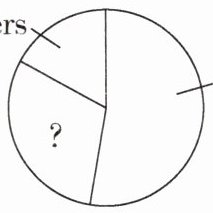
A. savings & rainy day fund
B. money for video games
C. money for entertainment
D. money for food & clothes
(
A. We should learn to set aside some money to help those in need.
B. Teenagers can learn to feed the family dog to earn some money.
C. Teenagers are able to earn their pocket money by themselves.
D. It’s good to make a budget and learn to use the money properly.
Every week, Brad’s parents gave him some pocket money. They didn’t give him the money as a gift, though. Brad actually earned it. Each day, Brad took out the trash and cleared the table after dinner. He fed the family dog and took him for walks. For all of this work, Brad earned 12 each week. The problem was, the money Brad earned seemed to be spent out just as quickly as he earned it. His dad said that money seemed to “burn a hole in his pocket”. Brad spent his money on video games more than anything else. He never seemed to have enough money.
Dad suggested that Brad create a budget to set aside money each week for certain expenses. “You spend only as much as your budget allows. That way, you are sure to have money for the different things you want.”
That night, the family made a list of the different types of things that Brad would be able to spend money on. The list included items such as food, clothing, and entertainment. And they said a budget should also set aside a percentage of earnings as savings so that he would be able to buy something expensive in the future. “It can also be your rainy day fund,” said his mum. Brad gave her a puzzled look. “A rainy day fund is there to help out in an emergency,” she explained. And at last, they said it was also important to set aside a little money to help others.
From that day on, Brad always seemed to have enough money to do the things he wanted. The first year, he set aside 104, and he chose to give the money to the town’s animal shelter. Giving money to help those in need made Brad feel good. He also used some of his savings to buy a cool new video game console. That made him feel good, too.
(
C
)1. How did Brad earn his money?A. By working on rainy days.
B. By playing difficult games.
C. By doing some housework.
D. By making a good budget.
(
B
)2. What do the underlined words “burn a hole in his pocket” in Paragraph 1 mean?A. Be difficult to earn.
B. Disappear quickly.
C. Hide in his pocket.
D. Be too hot to keep.
(
A
)3. The “?” part of Brad’s budget in the following chart is A
.A. savings & rainy day fund
B. money for video games
C. money for entertainment
D. money for food & clothes
(
D
)4. What does the passage mainly want to tell us?A. We should learn to set aside some money to help those in need.
B. Teenagers can learn to feed the family dog to earn some money.
C. Teenagers are able to earn their pocket money by themselves.
D. It’s good to make a budget and learn to use the money properly.
答案
1~4 CBAD
解析
【分析】
本题为英语阅读理解题,围绕Brad通过做家务赚零花钱、学习做预算合理用钱的故事展开。解题时需先通读全文把握主旨,再针对每道题的问题,定位原文对应内容,结合选项逐一分析:1题考查Brad赚钱的方式,需定位原文第一段的家务相关描述;2题考查短语词义,需结合上下文理解;3题考查预算图表的对应内容,需结合原文预算的组成部分分析;4题考查主旨大意,需梳理全文核心内容。
【解析】
1. 细节理解题:根据第一段“Each day, Brad took out the trash and cleared the table after dinner. He fed the family dog and took him for walks.”可知,Brad通过做家务赚取零花钱,故选C。
2. 词义猜测题:根据第一段“The problem was, the money Brad earned seemed to be spent out just as quickly as he earned it.”可知,划线短语意为“钱花得快,很快消失”,对应选项B,故选B。
3. 推理判断题:根据第三段“a budget should also set aside a percentage of earnings as savings so that he would be able to buy something expensive in the future. ‘It can also be your rainy day fund,’ said his mum.”可知,预算中包含储蓄和应急基金(rainy day fund),对应选项A,故选A。
4. 主旨大意题:文章讲述Brad从乱花钱到学会做预算、合理规划用钱的经历,旨在告诉我们做预算和合理使用金钱的重要性,对应选项D,故选D。
【答案】1.C 2.B 3.A 4.D
【知识点】英语阅读理解;细节理解;词义猜测;主旨大意
【点评】本题以学生熟悉的零花钱话题为载体,考查英语阅读的核心题型,既考查细节信息的定位能力,也考查对短语和文章主旨的理解,贴近学生生活,易于理解。
【难度系数】0.6
本题为英语阅读理解题,围绕Brad通过做家务赚零花钱、学习做预算合理用钱的故事展开。解题时需先通读全文把握主旨,再针对每道题的问题,定位原文对应内容,结合选项逐一分析:1题考查Brad赚钱的方式,需定位原文第一段的家务相关描述;2题考查短语词义,需结合上下文理解;3题考查预算图表的对应内容,需结合原文预算的组成部分分析;4题考查主旨大意,需梳理全文核心内容。
【解析】
1. 细节理解题:根据第一段“Each day, Brad took out the trash and cleared the table after dinner. He fed the family dog and took him for walks.”可知,Brad通过做家务赚取零花钱,故选C。
2. 词义猜测题:根据第一段“The problem was, the money Brad earned seemed to be spent out just as quickly as he earned it.”可知,划线短语意为“钱花得快,很快消失”,对应选项B,故选B。
3. 推理判断题:根据第三段“a budget should also set aside a percentage of earnings as savings so that he would be able to buy something expensive in the future. ‘It can also be your rainy day fund,’ said his mum.”可知,预算中包含储蓄和应急基金(rainy day fund),对应选项A,故选A。
4. 主旨大意题:文章讲述Brad从乱花钱到学会做预算、合理规划用钱的经历,旨在告诉我们做预算和合理使用金钱的重要性,对应选项D,故选D。
【答案】1.C 2.B 3.A 4.D
【知识点】英语阅读理解;细节理解;词义猜测;主旨大意
【点评】本题以学生熟悉的零花钱话题为载体,考查英语阅读的核心题型,既考查细节信息的定位能力,也考查对短语和文章主旨的理解,贴近学生生活,易于理解。
【难度系数】0.6
