

 登录
登录
1.
2.
3.
4.
5.
G
2.
E
3.
D
4.
F
5.
A
答案
1. G
2. E
3. D
4. F
5. A
2. E
3. D
4. F
5. A
五、首字母填空
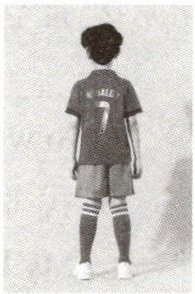
Do you have a dream? Different people have different d
The boy likes football very much. In the morning, he practices football for an hour b
1. d______
2. t______
3. e______
4. n______
5. f______
6. w______
7. b______
8. p______
9. m______
10. l______
Do you have a dream? Different people have different d
dreams
. Do you want to be a football player when you grow up? Most boys play football in ttheir
free time. The boy in the photo eenjoys
playing football too. Look! He is in a T-shirt of Portuguese. You can see a nnumber
seven on it. It's his favourite number and it's his favourite football star Cristiano Ronaldo's number in his football team. The T-shirt is ffrom
Cristiano Ronaldo and he writes his name on it. After the boy gets the T-shirt, he is happy and wwears
it every day.The boy likes football very much. In the morning, he practices football for an hour b
before
he goes to school. After school, he plays with his friends for two hours in the pplayground
. He usually goes to bed at ten. Before it, he watches a football mmatch
on TV. In his free time, he likes to chat with friends about football stars. He says he can llearn
a lot from them about football skills. He wants to be a great football player in the future. And he hopes to play in the World Cup some day.1. d______
2. t______
3. e______
4. n______
5. f______
6. w______
7. b______
8. p______
9. m______
10. l______
答案
1. dreams
2. their
3. enjoys
4. number
5. from
6. wears
7. before
8. playground
9. match
10. learn
2. their
3. enjoys
4. number
5. from
6. wears
7. before
8. playground
9. match
10. learn
解析
1. 根据上文“Do you have a dream?”可知这里说的是不同的人有不同的梦想,结合首字母d,可推出此处用dream表示“梦想”,different后接可数名词复数,所以填dreams。
2. 根据“Most boys play football in...free time”可知是在空闲时间踢足球,结合首字母t,可推出是their“他们的”,修饰free time。
3. 根据“The boy in the photo...playing football too.”可知照片里的男孩也喜欢踢足球,结合首字母e,可推出是enjoy“喜欢”,主语是The boy,一般现在时中谓语动词用第三人称单数形式enjoys。
4. 根据“You can see a...seven on it. It's his favourite number”可知能看到一个数字7,结合首字母n,可推出是number“数字”。
5. 根据“The T - shirt is...Cristiano Ronaldo and he writes his name on it.”可知T恤是来自Cristiano Ronaldo,结合首字母f,可推出是from“来自”。
6. 根据“After the boy gets the T - shirt, he is happy and...it every day.”可知得到T恤后每天穿它,结合首字母w,可推出是wear“穿”,主语是he,一般现在时中谓语动词用第三人称单数形式wears。
7. 根据“In the morning, he practices football for an hour...he goes to school.”可知是上学前练习足球,结合首字母b,可推出是before“在……之前”。
8. 根据“After school, he plays with his friends for two hours in the...”可知放学后在某个地方踢足球,结合首字母p,可推出是playground“操场”。
9. 根据“Before it, he watches a football...on TV.”可知在睡觉前看足球比赛,结合首字母m,可推出是match“比赛”,a后用可数名词单数。
10. 根据“He says he can...a lot from them about football skills.”可知能从足球明星那里学到很多足球技巧,结合首字母l,可推出是learn“学习”,can后接动词原形。
2. 根据“Most boys play football in...free time”可知是在空闲时间踢足球,结合首字母t,可推出是their“他们的”,修饰free time。
3. 根据“The boy in the photo...playing football too.”可知照片里的男孩也喜欢踢足球,结合首字母e,可推出是enjoy“喜欢”,主语是The boy,一般现在时中谓语动词用第三人称单数形式enjoys。
4. 根据“You can see a...seven on it. It's his favourite number”可知能看到一个数字7,结合首字母n,可推出是number“数字”。
5. 根据“The T - shirt is...Cristiano Ronaldo and he writes his name on it.”可知T恤是来自Cristiano Ronaldo,结合首字母f,可推出是from“来自”。
6. 根据“After the boy gets the T - shirt, he is happy and...it every day.”可知得到T恤后每天穿它,结合首字母w,可推出是wear“穿”,主语是he,一般现在时中谓语动词用第三人称单数形式wears。
7. 根据“In the morning, he practices football for an hour...he goes to school.”可知是上学前练习足球,结合首字母b,可推出是before“在……之前”。
8. 根据“After school, he plays with his friends for two hours in the...”可知放学后在某个地方踢足球,结合首字母p,可推出是playground“操场”。
9. 根据“Before it, he watches a football...on TV.”可知在睡觉前看足球比赛,结合首字母m,可推出是match“比赛”,a后用可数名词单数。
10. 根据“He says he can...a lot from them about football skills.”可知能从足球明星那里学到很多足球技巧,结合首字母l,可推出是learn“学习”,can后接动词原形。
