

 登录
一、词汇运用
1. He said he would wait for me here. But up till now he hasn’t
2. Please put all the books back in the right
3. Your mother loves you so much. It’s wrong of you to be
4. President Xi Jinping made an important
5. I’d like to take a
6. “We must learn from Uncle Lei Feng,” said the Young
7. —Is everyone here today? —Yes, Miss Liu. No one is
8. The tools are used for
1. He said he would wait for me here. But up till now he hasn’t
appeared
yet.2. Please put all the books back in the right
order
before you leave.3. Your mother loves you so much. It’s wrong of you to be
impatient
with her.4. President Xi Jinping made an important
speech
at the celebrating meeting.5. I’d like to take a
high-speed
train to Nanjing instead of an ordinary one.6. “We must learn from Uncle Lei Feng,” said the Young
Pioneer
.7. —Is everyone here today? —Yes, Miss Liu. No one is
absent
.8. The tools are used for
shaping
wood.答案
1. appeared
2. order
3. impatient
4. speech
5. high-speed
6. Pioneer
7. absent
8. shaping
解析
翻译:
一、词汇运用
1. 他说他会在这里等我。但到现在他还没有______(出现)。
2. 离开前请把所有的书按正确的______(顺序)放回去。
3. 你的妈妈非常爱你。你对她______(不耐烦)是不对的。
4. 习近平主席在庆祝会议上发表了重要______(讲话)。
5. 我想要乘坐______(高速的)火车去南京,而不是普通火车。
6. “我们必须向雷锋叔叔学习,”______(先锋)队员说。
7. ——今天大家都到齐了吗?——是的,刘老师。没有人______(缺席的)。
8. 这些工具是用来______(塑造)木材的。
(
A.How a high
B.How high
C.What a high
D.What high
D
)1. ______ praise the doctor won from his patients!A.How a high
B.How high
C.What a high
D.What high
答案
D
解析
翻译:
( )1. 这位医生从他的病人那里赢得了多么高的赞誉啊!
A. 多么高的一个(错误表达)
B. 多么高(错误表达,缺少修饰的名词相关内容)
C. 多么高的一个(错误表达,“praise”是不可数名词,不能用“a”修饰)
D. 多么高的
(
A.recommended
B.challenged
C.impressed
D.praised
A
)2. If you want to keep healthy, going to bed early and getting up early is highly ______.A.recommended
B.challenged
C.impressed
D.praised
答案
A
解析
翻译:
( )2. 如果你想要保持健康,早睡早起是被高度______的。
A. 推荐
B. 挑战
C. 使印象深刻
D. 赞扬
(
A.gets off
B.takes off
C.shows off
D.turns off
C
)3. —Who’s the most modest boy in your class? —Daniel. He never ______ in public.A.gets off
B.takes off
C.shows off
D.turns off
答案
C
解析
翻译:
( )3. ——你们班最谦虚的男孩是谁?——丹尼尔。他从不在公共场合______。
A. 下车
B. 脱掉;起飞
C. 炫耀
D. 关掉
(
A.can
B.should
C.must
D.need
A
)4. According to the notice, guests at this hotel ______ use the sports center at no extra cost.A.can
B.should
C.must
D.need
答案
A
解析
翻译:
根据通知,这家酒店的客人______免费使用体育中心。
A. 能够
B. 应该
C. 必须
D. 需要
(
A.living
B.live
C.lively
D.alive
C
)5. The railway station near my home was noisy but ______ in my eyes.A.living
B.live
C.lively
D.alive
答案
C
解析
翻译:
( )5. 我家附近的火车站很吵闹,但在我眼中它很______。
A. 活的(动名词或现在分词形式)
B. 居住;生活(动词);活的(形容词,常作定语)
C. 充满活力的; lively(此处为形容词,意为“充满活力的;生气勃勃的;热闹的”)
D. 活着的;有生气的(形容词,常作表语,强调“活着的”状态)
(
A.both; and
B.either; or
C.neither; nor
D.not only; but also
B
)6. —Where are you going to stay when you get to Shanghai? —I may live ______ in a hotel ______ in a friend’s house.A.both; and
B.either; or
C.neither; nor
D.not only; but also
答案
B
解析
翻译:
( )6. ——当你到达上海时,你打算住在哪里?——我可能要么住在酒店里,要么住在朋友家。
A. 两者都;和
B. 要么;要么
C. 既不;也不
D. 不仅;而且
(
A.impresses; for
B.is impressed; for
C.impresses; with
D.is impressed; with
C
)7. The West Lake in Hangzhou ______ the world ______ its beauty.A.impresses; for
B.is impressed; for
C.impresses; with
D.is impressed; with
答案
C
解析
翻译:
( )7. 杭州的西湖以它的美给世界留下深刻印象。
A. 给……留下印象;为了
B. 被留下印象;为了
C. 给……留下印象;用,以
D. 被留下印象;用,以
(
A.Sounds great!
B.What a pity!
C.What for?
D.Are you serious?
D
)8. —I’ve decided to give up my job, Mum. —______ You’d better think twice.A.Sounds great!
B.What a pity!
C.What for?
D.Are you serious?
答案
D
解析
翻译:
( )8. —妈妈,我已经决定放弃我的工作了。—______你最好再仔细考虑一下。
A. 听起来很棒!
B. 真遗憾!
C. 为什么?
D. 你是认真的吗?
三、完成句子
1. 如果你们同意我的看法,请举手。
If you
2. 她不够自信在全班面前做演讲。
She is not
3. 假期中家长再怎么关注孩子们的安全都不为过。
Parents
4. 孩子的成长与家庭教育息息相关。
A child’s growth
5. 为更好地解决全球气候变暖问题,发达国家需要带头而非缺席。
In order to solve the problem of global warming better, developed countries need to
1. 如果你们同意我的看法,请举手。
If you
agree with me
, please raise your hand.2. 她不够自信在全班面前做演讲。
She is not
confident enough to make a speech in front of/before
to give a speech in front of her classmates.3. 假期中家长再怎么关注孩子们的安全都不为过。
Parents
can't/can never pay too much attention to
their children’s safety during holidays.4. 孩子的成长与家庭教育息息相关。
A child’s growth
is closely connected with/to
his family education.5. 为更好地解决全球气候变暖问题,发达国家需要带头而非缺席。
In order to solve the problem of global warming better, developed countries need to
take the lead instead of being absent
.答案
1. agree with me
2. confident enough to make a speech in front of/before
3. can't/can never pay too much attention to
4. is closely connected with/to
5. take the lead instead of being absent
解析
翻译:
三、完成句子
1. 如果你们同意我的看法,请举手。
如果你们**同意我的意见**,请举手。
2. 她不够自信在全班面前做演讲。
她**不够自信**,无法在全班同学面前做演讲。
3. 假期中家长再怎么关注孩子们的安全都不为过。
假期里,家长**再怎么关注**孩子们的安全都不为过。
4. 孩子的成长与家庭教育息息相关。
孩子的成长**与家庭教育密切相关**。
5. 为更好地解决全球气候变暖问题,发达国家需要带头而非缺席。
为了更好地解决全球变暖问题,发达国家需要**带头而不是缺席**。
四、阅读理解
If you are reading this, you were probably born in the 2000s. The oh-ohs. The 21st century. That would make you young, creative, connected, global, and no doubt(怀疑) smart. Maybe good-looking, too. Right? But what do other people think about your generation(一代)?
Some adults worry that you’re more interested in the screen in front of you than the world around you. They think of you as the “face-down generation” because you use your phone so much and they wonder how you will deal with school, friends, and family. Are today’s teenagers too busy texting and taking selfies(自拍) to become successful in real life, as you would say?
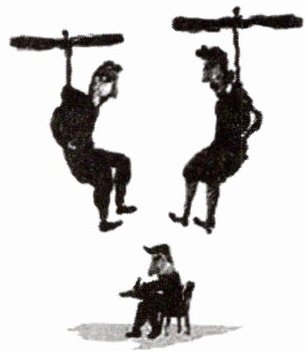
Other adults worry that today’s youth are spoilt(宠坏的) and don’t want to face the challenges of adult life. Many children born in the 1990s and 2000s were raised by “helicopter parents”, who were always there to guide and help their children with a busy schedule filled with homework and after-class activities such as dancing, drawing, or sports. With parents who do everything for them, today’s youth seem to live like teenagers even when they are in their 20s or 30s.
Does the face-down generation need a heads-up? Well, possibly not. The fact is that many of today’s teenagers are better educated and more creative than past generations. They seem to be willing to become leaders. More young people than ever volunteer to help their communities. There are also brave young people such as Malala Yousafzai, the teenager who won the 2014 Nobel Peace Prize for pushing girls’ rights to go to school.
So if you’re one of the oh-ohs, there are reasons to be hopeful about the future. Things are looking up for the face-down generation. Chances are that you will do GR8 (great) and LOL (laugh out loud).
(
A. Parents who help children to face the challenges.
B. Parents who always watch over their children.
C. Parents who have a very busy schedule.
D. Parents who only turn up when necessary.
(
A. Early warning. B. Warm welcome. C. Good medicine. D. Strong support.
(
A. The writer is one of the oh-ohs. B. Oh-ohs will spend less time on phones.
C. Oh-ohs may have a bright future. D. Oh-ohs will meet more challenges than adults.
(
A. The “helicopter parents” B. The over-worried parents
C. The spoilt generation D. The face-down generation
If you are reading this, you were probably born in the 2000s. The oh-ohs. The 21st century. That would make you young, creative, connected, global, and no doubt(怀疑) smart. Maybe good-looking, too. Right? But what do other people think about your generation(一代)?
Some adults worry that you’re more interested in the screen in front of you than the world around you. They think of you as the “face-down generation” because you use your phone so much and they wonder how you will deal with school, friends, and family. Are today’s teenagers too busy texting and taking selfies(自拍) to become successful in real life, as you would say?
Other adults worry that today’s youth are spoilt(宠坏的) and don’t want to face the challenges of adult life. Many children born in the 1990s and 2000s were raised by “helicopter parents”, who were always there to guide and help their children with a busy schedule filled with homework and after-class activities such as dancing, drawing, or sports. With parents who do everything for them, today’s youth seem to live like teenagers even when they are in their 20s or 30s.
Does the face-down generation need a heads-up? Well, possibly not. The fact is that many of today’s teenagers are better educated and more creative than past generations. They seem to be willing to become leaders. More young people than ever volunteer to help their communities. There are also brave young people such as Malala Yousafzai, the teenager who won the 2014 Nobel Peace Prize for pushing girls’ rights to go to school.
So if you’re one of the oh-ohs, there are reasons to be hopeful about the future. Things are looking up for the face-down generation. Chances are that you will do GR8 (great) and LOL (laugh out loud).
(
B
)1. What does the term “helicopter parents” refer to in Paragraph 3?A. Parents who help children to face the challenges.
B. Parents who always watch over their children.
C. Parents who have a very busy schedule.
D. Parents who only turn up when necessary.
(
A
)2. What does the underlined word “heads-up” in Paragraph 4 mean?A. Early warning. B. Warm welcome. C. Good medicine. D. Strong support.
(
C
)3. What can we infer from the passage?A. The writer is one of the oh-ohs. B. Oh-ohs will spend less time on phones.
C. Oh-ohs may have a bright future. D. Oh-ohs will meet more challenges than adults.
(
D
)4. What would be the best title for the passage?A. The “helicopter parents” B. The over-worried parents
C. The spoilt generation D. The face-down generation
答案
1. B
2. A
3. C
4. D
解析
翻译:
### 四、阅读理解
如果你正在读这篇文章,你很可能出生于21世纪的2000年代。也就是“零零后”。这会让你年轻、有创造力、善于社交、具有全球视野,而且毫无疑问很聪明。也许还长得好看。对吧?但是其他人怎么看待你们这一代人呢?
一些成年人担心你对眼前的屏幕比对周围的世界更感兴趣。他们把你看作“低头一代”,因为你太频繁地使用手机,而且他们想知道你将如何应对学业、朋友和家庭。就像你会说的那样,如今的青少年是不是太忙于发短信和自拍,而无法在现实生活中取得成功?
另一些成年人担心如今的年轻人被宠坏了,而且不想面对成年生活的挑战。许多出生于20世纪90年代和21世纪初的孩子是由“直升机父母”抚养长大的,这些父母总是在那里指导和帮助他们的孩子,孩子的日程安排很满,有家庭作业和课外活动,比如跳舞、画画或体育运动。有了为他们做一切事情的父母,如今的年轻人即使到了二三十岁,似乎也过着青少年般的生活。
“低头一代”需要一个**提醒**吗?嗯,可能不需要。事实是,如今的许多青少年比前几代人受教育程度更高、更有创造力。他们似乎愿意成为领导者。比以往任何时候都多的年轻人自愿帮助他们的社区。也有勇敢的年轻人,比如马拉拉·优素福扎伊,这位因推动女孩受教育权利而获得2014年诺贝尔和平奖的青少年。
所以,如果你是一名零零后,有理由对未来充满希望。对于“低头一代”来说,情况正在好转。你很有可能会做得很棒,并且开怀大笑。
1. 第3段中的“直升机父母”这个术语指的是什么?
A. 帮助孩子面对挑战的父母。
B. 总是看护孩子的父母。
C. 日程安排非常繁忙的父母。
D. 只在必要时出现的父母。
2. 第4段中划线的单词“heads - up”是什么意思?
A. 早期预警。
B. 热烈欢迎。
C. 良药。
D. 大力支持。
3. 我们能从这篇文章中推断出什么?
A. 作者是一名零零后。
B. 零零后会花更少的时间在手机上。
C. 零零后可能有一个光明的未来。
D. 零零后将比成年人面临更多的挑战。
4. 这篇文章的最佳标题是什么?
A. “直升机父母”
B. 过度担忧的父母
C. 被宠坏的一代
D. “低头一代”
