

 登录
(B)
Home Topics What's New About KIDS ONLY
Home > Topics > Your Body > Improve your memory - for children
Improve your memory - for children
Contents
▼ What is memory?
▼ The long and the short
▼ Improving your memory
▼ How you can exercise your memory
▼ How some kids remember
▼ Dr Kate says
What is memory?
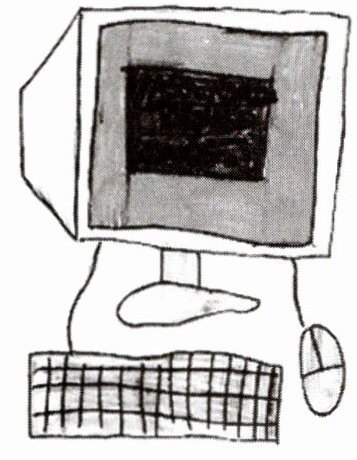
Do you have problems remembering facts, dates in history, names of people or how to spell words that you learned the night before for a spelling test?
Your memory is a bit like a computer database. Your memory can only find stuff that is in its database - all of the data has to be entered and saved first.
Your memory can store facts, sounds, tastes, smells, touch sensations, what you see, and even your feelings.
Using your memory is a bit like you storing files in different folders on your computer so that you can find them more easily when you need them. If you don't file things properly or you get them in the wrong folder or you can't remember your password, then you could be in trouble!
New & Updated Topics
Topics A-Z
Your Family
★ Your Body
Your Food
Your Health
Your School
Your Feelings
Your Safety
Nearly Teens
Simply for You
Fun & Games
36. Who is the passage written for?
A. Adults. B. Parents. C. Kids. D. Teenagers.
37. How many parts does the topic of improving children's memory cover?
A. Three. B. Four. C. Five. D. Six.
38. In the first part of improving children's memory, what can you read about?
A. What food is good for memory.
B. How to remember long lists.
C. What memory does for us.
D. Who are good at remembering.
39. What does the author want to show with the example of a computer?
A. How to avoid getting into trouble.
B. Why we need to use a computer well.
C. The advantage of passwords in daily life.
D. The importance of using memory properly.
40. Where can you most probably read this passage?
A. On a website. B. In a newspaper.
C. In a magazine. D. In a storybook.
Home Topics What's New About KIDS ONLY
Home > Topics > Your Body > Improve your memory - for children
Improve your memory - for children
Contents
▼ What is memory?
▼ The long and the short
▼ Improving your memory
▼ How you can exercise your memory
▼ How some kids remember
▼ Dr Kate says
What is memory?
Do you have problems remembering facts, dates in history, names of people or how to spell words that you learned the night before for a spelling test?
Your memory is a bit like a computer database. Your memory can only find stuff that is in its database - all of the data has to be entered and saved first.
Your memory can store facts, sounds, tastes, smells, touch sensations, what you see, and even your feelings.
Using your memory is a bit like you storing files in different folders on your computer so that you can find them more easily when you need them. If you don't file things properly or you get them in the wrong folder or you can't remember your password, then you could be in trouble!
New & Updated Topics
Topics A-Z
Your Family
★ Your Body
Your Food
Your Health
Your School
Your Feelings
Your Safety
Nearly Teens
Simply for You
Fun & Games
36. Who is the passage written for?
A. Adults. B. Parents. C. Kids. D. Teenagers.
37. How many parts does the topic of improving children's memory cover?
A. Three. B. Four. C. Five. D. Six.
38. In the first part of improving children's memory, what can you read about?
A. What food is good for memory.
B. How to remember long lists.
C. What memory does for us.
D. Who are good at remembering.
39. What does the author want to show with the example of a computer?
A. How to avoid getting into trouble.
B. Why we need to use a computer well.
C. The advantage of passwords in daily life.
D. The importance of using memory properly.
40. Where can you most probably read this passage?
A. On a website. B. In a newspaper.
C. In a magazine. D. In a storybook.
答案
36. C 37. D 38. C 39. D 40. A
解析
【分析】
这是一篇关于儿童提高记忆的英语阅读理解题,需结合文章内容逐一分析各题目:36题需定位文章受众,37题需统计主题部分数量,38题需对应第一部分内容,39题需理解举例意图,40题需判断文章出处,所有题目均需从原文中寻找依据解答。
【解析】
36题:根据文章标题“Improve your memory - for children”及页面顶部的“KIDS ONLY”标识,可知文章是写给孩子的,故选C。
37题:查看文章Contents栏目,关于提高儿童记忆的主题条目共6个,分别是What is memory?、The long and the short、Improving your memory、How you can exercise your memory、How some kids remember、Dr Kate says,故选D。
38题:第一部分为“What is memory?”,内容解释记忆的定义、存储的各类信息等,即记忆对我们的作用,故选C。
39题:作者将记忆比作电脑数据库,提到需正确存储信息(如同电脑分类文件夹),否则会出现问题,意在说明正确使用记忆的重要性,故选D。
40题:从页面的“Home Topics”“网页式导航结构”可判断,该文章最可能出现在网站上,故选A。
【答案】
36. C 37. D 38. C 39. D 40. A
【知识点】
英语阅读理解、细节理解、推理判断
【点评】
本题为英语阅读理解题,考查学生快速定位原文信息、理解文章细节及推理判断的能力,题目设置围绕文章内容,难度适中,适合学生练习。
【难度系数】
0.6
