

 登录
登录
(B) 根据句意,写出括号内所给单词的适当形式。
6. On
7. Russians get up an hour later on International
8. How amazing! This 3-year-old boy can recite (背诵) more than 50
9. Peter Pan, a famous book, is written by J. M. Barrie, a Scottish
10. In my family, Dad cooks meals and I wash
全新
6. On
Teachers’
(teach) Day, children say “Thank you” to their teachers.7. Russians get up an hour later on International
Women’s
(woman) Day.8. How amazing! This 3-year-old boy can recite (背诵) more than 50
poems
(poem).9. Peter Pan, a famous book, is written by J. M. Barrie, a Scottish
writer
(write).10. In my family, Dad cooks meals and I wash
dishes
(dish).全新
答案
6. Teachers’
7. Women’s
8. poems
9. writer
10. dishes
7. Women’s
8. poems
9. writer
10. dishes
解析
【分析】
本题考查英语单词的适当形式变化,需结合句意、固定搭配及语法规则分析:
1. 第6题:“教师节”是固定节日表达,需用名词所有格,“教师”为复数概念,复数名词的所有格直接加’;
2. 第7题:“国际妇女节”是固定节日,“妇女”的复数为women,其所有格形式为Women’s;
3. 第8题:数词50后接可数名词复数,poem的复数形式直接加s;
4. 第9题:形容词Scottish后需接名词,write是动词,对应的名词“作家”为writer;
5. 第10题:固定搭配wash dishes表示“洗餐具”,dish的复数形式为dishes。
【解析】
6. 教师节的正确表达为Teachers’ Day,故填Teachers’;
7. 国际妇女节的正确表达为Women’s Day,故填Women’s;
8. 50是大于1的数,后接可数名词复数,poem的复数是poems,故填poems;
9. 句意为“苏格兰作家”,write的名词形式是writer,故填writer;
10. wash dishes是固定短语,dish的复数是dishes,故填dishes。
【答案】
6. Teachers’
7. Women’s
8. poems
9. writer
10. dishes
【知识点】
名词所有格、可数名词复数、词性转换
【点评】
本题为基础词形变化题,考察英语中常见的名词所有格用法、可数名词复数变化及动词转名词的词性转换,均为英语学习的核心基础知识点,难度较低,适合巩固基础。
【难度系数】
0.3
本题考查英语单词的适当形式变化,需结合句意、固定搭配及语法规则分析:
1. 第6题:“教师节”是固定节日表达,需用名词所有格,“教师”为复数概念,复数名词的所有格直接加’;
2. 第7题:“国际妇女节”是固定节日,“妇女”的复数为women,其所有格形式为Women’s;
3. 第8题:数词50后接可数名词复数,poem的复数形式直接加s;
4. 第9题:形容词Scottish后需接名词,write是动词,对应的名词“作家”为writer;
5. 第10题:固定搭配wash dishes表示“洗餐具”,dish的复数形式为dishes。
【解析】
6. 教师节的正确表达为Teachers’ Day,故填Teachers’;
7. 国际妇女节的正确表达为Women’s Day,故填Women’s;
8. 50是大于1的数,后接可数名词复数,poem的复数是poems,故填poems;
9. 句意为“苏格兰作家”,write的名词形式是writer,故填writer;
10. wash dishes是固定短语,dish的复数是dishes,故填dishes。
【答案】
6. Teachers’
7. Women’s
8. poems
9. writer
10. dishes
【知识点】
名词所有格、可数名词复数、词性转换
【点评】
本题为基础词形变化题,考察英语中常见的名词所有格用法、可数名词复数变化及动词转名词的词性转换,均为英语学习的核心基础知识点,难度较低,适合巩固基础。
【难度系数】
0.3
三、综合填空 根据对话内容,在空白处根据所给首字母填入一个单词或括号内单词的正确形式。
Scott: Hi, Dan. Is this your new tablet?
Dan: Yes, it is. I'm (1) r
Scott: What's that on your screen (屏幕)? Is that (2)
Dan: Oh, it's a photo from my trip to India last month. It's the Holi festival of colors.
Scott: The Holi festival? What's that?
Dan: It's a Hindu holiday (3)
Scott: (4) I
Dan: Yes. It is everywhere. (6)
Scott: Yeah.
Dan: I am completely (完全地) yellow thanks to them ... Look, here are a few (7)
Scott: Wow! Those are (8) a
Dan: Thanks.
1.
5.
Scott: Hi, Dan. Is this your new tablet?
Dan: Yes, it is. I'm (1) r
really
happy with it so far.Scott: What's that on your screen (屏幕)? Is that (2)
your
(you) photo, or is it from the Internet?Dan: Oh, it's a photo from my trip to India last month. It's the Holi festival of colors.
Scott: The Holi festival? What's that?
Dan: It's a Hindu holiday (3)
to celebrate
(celebrate) spring. People of all ages are in the streets. They throw (扔) paint and water on each other.Scott: (4) I
Interesting
. It looks like fun ... Wow! (5)Look
(look) at those colors. Is that paint in the air?Dan: Yes. It is everywhere. (6)
Do
you (6)see
(see) these people here?Scott: Yeah.
Dan: I am completely (完全地) yellow thanks to them ... Look, here are a few (7)
more
(many) photos of Holi festival.Scott: Wow! Those are (8) a
amazing
photos! You're a great photographer.Dan: Thanks.
1.
really
2. your
3. to celebrate
4. Interesting
5.
Look
6. Do, see
7. more
8. amazing
答案
1. really
2. your
3. to celebrate
4. Interesting
5. Look
6. Do, see
7. more
8. amazing
2. your
3. to celebrate
4. Interesting
5. Look
6. Do, see
7. more
8. amazing
解析
【分析】
本题为根据对话语境、首字母或括号内单词提示填空,需结合语法规则和上下文逻辑解题:1. 空格后是形容词happy,需用副词修饰,结合首字母r确定;2. 空格后是名词photo,需用形容词性物主代词,转换you的形式;3. 此处表节日目的,用不定式作目的状语;4. 结合首字母I和语境,填表达反应的形容词;5. 此处为祈使句,用动词原形开头;6. 一般疑问句,主语you,一般现在时,借助助动词Do,动词用原形;7. 固定搭配a few more;8. 结合首字母a和语境,填修饰photos的形容词。
【解析】
1. 空格后为形容词happy,需用副词修饰,首字母为r,故填really;
2. 空格后是名词photo,需用形容词性物主代词,括号内为you,转换为your;
3. 此处表节日的目的,用不定式to celebrate作目的状语;
4. Scott对Holi festival的反应,首字母为I,填形容词Interesting;
5. 此处为祈使句,以动词原形开头,括号内为look,首字母大写为Look;
6. 一般疑问句,主语为you,时态为一般现在时,借助助动词Do,后面动词用原形see,故填Do, see;
7. 固定搭配a few more表示“更多的”,括号内为many,转换为more;
8. 修饰名词photos,首字母为a,结合语境填amazing。
【答案】
1. really 2. your 3. to celebrate 4. Interesting 5. Look 6. Do, see 7. more 8. amazing
【知识点】
副词修饰形容词、形容词性物主代词、不定式作目的状语
【点评】
本题考查基础英语语法与词汇运用,结合对话语境和提示解题,难度适中,适合初中阶段学生练习。
【难度系数】
0.6
本题为根据对话语境、首字母或括号内单词提示填空,需结合语法规则和上下文逻辑解题:1. 空格后是形容词happy,需用副词修饰,结合首字母r确定;2. 空格后是名词photo,需用形容词性物主代词,转换you的形式;3. 此处表节日目的,用不定式作目的状语;4. 结合首字母I和语境,填表达反应的形容词;5. 此处为祈使句,用动词原形开头;6. 一般疑问句,主语you,一般现在时,借助助动词Do,动词用原形;7. 固定搭配a few more;8. 结合首字母a和语境,填修饰photos的形容词。
【解析】
1. 空格后为形容词happy,需用副词修饰,首字母为r,故填really;
2. 空格后是名词photo,需用形容词性物主代词,括号内为you,转换为your;
3. 此处表节日的目的,用不定式to celebrate作目的状语;
4. Scott对Holi festival的反应,首字母为I,填形容词Interesting;
5. 此处为祈使句,以动词原形开头,括号内为look,首字母大写为Look;
6. 一般疑问句,主语为you,时态为一般现在时,借助助动词Do,后面动词用原形see,故填Do, see;
7. 固定搭配a few more表示“更多的”,括号内为many,转换为more;
8. 修饰名词photos,首字母为a,结合语境填amazing。
【答案】
1. really 2. your 3. to celebrate 4. Interesting 5. Look 6. Do, see 7. more 8. amazing
【知识点】
副词修饰形容词、形容词性物主代词、不定式作目的状语
【点评】
本题考查基础英语语法与词汇运用,结合对话语境和提示解题,难度适中,适合初中阶段学生练习。
【难度系数】
0.6
四、阅读表达 阅读下面短文,用英语回答短文后的问题。
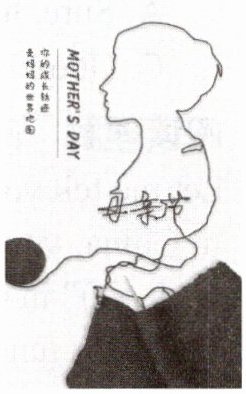
Mums do a lot of hard work. They cook and clean for us. They also encourage (鼓励) us to get over problems and give us support. Mother’s Day is the time for us to say “Thank you” to our mums.
In most countries, people celebrate Mother’s Day on the second Sunday in May every year. On this day, people like to buy flowers and make special Mother’s Day cards for their mums.
Mother’s Day is not only about gifts. We can help our mums do the housework. We can also take them to the park or the cinema. Sometimes a simple hug (拥抱) or saying “I love you, Mum” is the perfect gift for our mums.
Mother’s Day is about love. If you love your mum, why not plan a special Mother’s Day for her?
1. When is Mother’s Day in most countries?
2. What do people like to do on this day?
3. What does the writer advise people to do on this day? (Give one example.)
4. What is Mother’s Day about?
5. What does the writer think of mums?
Mums do a lot of hard work. They cook and clean for us. They also encourage (鼓励) us to get over problems and give us support. Mother’s Day is the time for us to say “Thank you” to our mums.
In most countries, people celebrate Mother’s Day on the second Sunday in May every year. On this day, people like to buy flowers and make special Mother’s Day cards for their mums.
Mother’s Day is not only about gifts. We can help our mums do the housework. We can also take them to the park or the cinema. Sometimes a simple hug (拥抱) or saying “I love you, Mum” is the perfect gift for our mums.
Mother’s Day is about love. If you love your mum, why not plan a special Mother’s Day for her?
1. When is Mother’s Day in most countries?
On the second Sunday in May.
2. What do people like to do on this day?
People like to buy flowers and make special Mother’s Day cards.
3. What does the writer advise people to do on this day? (Give one example.)
To help mums do the housework. / To take them to the park or the cinema. / To give a simple hug or say “I love you, Mum”.
4. What is Mother’s Day about?
Mother’s Day / It is about love.
5. What does the writer think of mums?
They are hardworking. / They always do things for us. (言之有理即可)
答案
1. On the second Sunday in May.
2. People like to buy flowers and make special Mother’s Day cards.
3. To help mums do the housework. / To take them to the park or the cinema. / To give a simple hug or say “I love you, Mum”.
4. Mother’s Day / It is about love.
5. They are hardworking. / They always do things for us. (言之有理即可)
2. People like to buy flowers and make special Mother’s Day cards.
3. To help mums do the housework. / To take them to the park or the cinema. / To give a simple hug or say “I love you, Mum”.
4. Mother’s Day / It is about love.
5. They are hardworking. / They always do things for us. (言之有理即可)
解析
【分析】
本题为英语阅读理解细节查找题,解题思路为:先明确每个问题的核心关键词,带着关键词通读短文,定位对应问题的原文信息句,提取关键内容后整理成符合题目要求的答案,确保答案与原文表述一致。
【解析】
1. 问题问大多数国家母亲节的时间,定位原文第二段第一句“In most countries, people celebrate Mother’s Day on the second Sunday in May every year.”,提取时间信息作答。
2. 问题问人们在母亲节喜欢做的事,定位原文第二段第二句“On this day, people like to buy flowers and make special Mother’s Day cards for their mums.”,提取活动内容作答。
3. 问题问作者建议在母亲节做的事,定位原文第三段,该段给出了多个建议,任选其一即可作答。
4. 问题问母亲节的核心主题,定位原文第四段第一句“Mother’s Day is about love.”,提取主题作答。
5. 问题问作者对妈妈们的看法,定位原文第一段,第一段提到妈妈们做很多辛苦的工作,为孩子付出很多,据此总结作答。
【答案】
1. On the second Sunday in May.
2. People like to buy flowers and make special Mother’s Day cards.
3. To help mums do the housework. (或 To take them to the park or the cinema. / To give a simple hug or say “I love you, Mum”.)
4. It is about love.
5. They are hardworking. (或 They do a lot for their children.)
【知识点】
英语阅读理解、细节信息查找
【点评】
本题是基础英语阅读细节题,主要考查学生快速定位原文关键信息的能力,难度较低,只要认真阅读短文,准确找到对应内容即可完成作答。
【难度系数】
0.2
本题为英语阅读理解细节查找题,解题思路为:先明确每个问题的核心关键词,带着关键词通读短文,定位对应问题的原文信息句,提取关键内容后整理成符合题目要求的答案,确保答案与原文表述一致。
【解析】
1. 问题问大多数国家母亲节的时间,定位原文第二段第一句“In most countries, people celebrate Mother’s Day on the second Sunday in May every year.”,提取时间信息作答。
2. 问题问人们在母亲节喜欢做的事,定位原文第二段第二句“On this day, people like to buy flowers and make special Mother’s Day cards for their mums.”,提取活动内容作答。
3. 问题问作者建议在母亲节做的事,定位原文第三段,该段给出了多个建议,任选其一即可作答。
4. 问题问母亲节的核心主题,定位原文第四段第一句“Mother’s Day is about love.”,提取主题作答。
5. 问题问作者对妈妈们的看法,定位原文第一段,第一段提到妈妈们做很多辛苦的工作,为孩子付出很多,据此总结作答。
【答案】
1. On the second Sunday in May.
2. People like to buy flowers and make special Mother’s Day cards.
3. To help mums do the housework. (或 To take them to the park or the cinema. / To give a simple hug or say “I love you, Mum”.)
4. It is about love.
5. They are hardworking. (或 They do a lot for their children.)
【知识点】
英语阅读理解、细节信息查找
【点评】
本题是基础英语阅读细节题,主要考查学生快速定位原文关键信息的能力,难度较低,只要认真阅读短文,准确找到对应内容即可完成作答。
【难度系数】
0.2
