

 登录
C
Yang Zhenning, the winner of the 1957 Nobel Prize in Physics, was one of the greatest theoretical physicists(理论物理学家) of the 20th and 21st centuries. One of his most important contributions(贡献) is the Yang-Mills theory(杨-米尔斯理论). Many physicists believe the Yang-Mills theory is a lot more important than his Nobel-winning work in the long term.
Yang was born in Hefei, Anhui in 1922. When he was a teenager, he moved to Tsinghua Garden with his father. After that, he studied at the National Southwest Associated University(西南联大) in Kunming. After finishing school, he got a chance to continue his studies in the US. There, he worked hard and made a great success in physics.
In 2003, he decided to return to China and settle in Beijing, sharing his knowledge and wide view with the young students. He also helped scientists from different countries work together, making China’s voice stronger in the world of science.
Yang Zhenning is a great example who achieved great success through hard work. His story also encourages young people around the world to run after their dreams.
(
A. In 1922. B. In 1957. C. In 2003. D. In 2000.
(
A. 定居 B. 学习 C. 交流 D. 工作
(
(
A. To show how difficult study is.
B. To introduce the Yang-Mills theory.
C. To let students learn about the Nobel Prize in Physics.
D. To encourage young people to work hard and run after their dreams.
Yang Zhenning, the winner of the 1957 Nobel Prize in Physics, was one of the greatest theoretical physicists(理论物理学家) of the 20th and 21st centuries. One of his most important contributions(贡献) is the Yang-Mills theory(杨-米尔斯理论). Many physicists believe the Yang-Mills theory is a lot more important than his Nobel-winning work in the long term.
Yang was born in Hefei, Anhui in 1922. When he was a teenager, he moved to Tsinghua Garden with his father. After that, he studied at the National Southwest Associated University(西南联大) in Kunming. After finishing school, he got a chance to continue his studies in the US. There, he worked hard and made a great success in physics.
In 2003, he decided to return to China and settle in Beijing, sharing his knowledge and wide view with the young students. He also helped scientists from different countries work together, making China’s voice stronger in the world of science.
Yang Zhenning is a great example who achieved great success through hard work. His story also encourages young people around the world to run after their dreams.
(
B
)35. When did Yang Zhenning win the Nobel Prize in Physics?A. In 1922. B. In 1957. C. In 2003. D. In 2000.
(
A
)36. What does the underlined word “settle” in Paragraph 3 mean?A. 定居 B. 学习 C. 交流 D. 工作
(
C
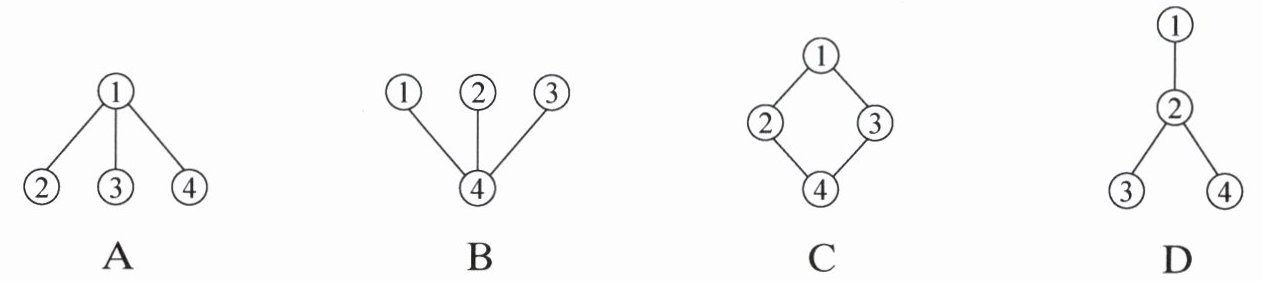
)37. What is the structure of the passage?(
D
)38. What is the writer’s purpose of writing the passage?A. To show how difficult study is.
B. To introduce the Yang-Mills theory.
C. To let students learn about the Nobel Prize in Physics.
D. To encourage young people to work hard and run after their dreams.
答案
35.B 解析:细节理解题。根据“Yang Zhenning, the winner of the 1957 Nobel Prize in Physics”可知,杨振宁在 1957 年获得诺贝尔物理学奖。故选 B。
36.A 解析:词义猜测题。根据“In 2003, he decided to return to China and settle in Beijing, sharing his knowledge and wide view with the young students.”可知,2003 年,他决定回到中国并在北京“定居”。故选 A。
37.C 解析:篇章结构题。文章第一段总体介绍杨振宁是 20 世纪和 21 世纪最伟大的理论物理学家之一;第二段介绍他的出生和求学经历;第三段介绍他回国后的贡献;第四段总结并鼓励年轻人追逐梦想。本文是总分总结构。故选 C。
38.D 解析:写作目的题。根据文章最后一段可知,作者写这篇文章是为了鼓励年轻人努力工作,追逐梦想。故选 D。
