

 登录
五、翻译句子
1. 他不仅擅长数学,还对科学感兴趣。(not only... but also...)
2. 众所周知,运动对我们的健康有益。(It's no secret that...)
3. 爷爷以前常带我去茶馆。(used to do...)
1. 他不仅擅长数学,还对科学感兴趣。(not only... but also...)
He is not only good at maths, but also interested in science.
2. 众所周知,运动对我们的健康有益。(It's no secret that...)
It's no secret that exercise is good for our health.
3. 爷爷以前常带我去茶馆。(used to do...)
Grandpa used to take me to the teahouse.
答案
1. He is not only good at maths, but also interested in science.
2. It's no secret that exercise is good for our health.
3. Grandpa used to take me to the teahouse.
2. It's no secret that exercise is good for our health.
3. Grandpa used to take me to the teahouse.
解析
【分析】
本题为汉译英题型,需结合指定短语/句型完成翻译:1. 第1题要求用not only...but also连接两个并列成分,对应“擅长”(be good at)和“对...感兴趣”(be interested in)的表达;2. 第2题需套用It's no secret that的固定句型,“对...有益”用be good for;3. 第3题需用used to do表示过去的习惯性动作,准确对应“带我去茶馆”的表达。
【解析】
1. 按照not only...but also的并列结构,将“他”译为He,“擅长数学”译为is good at maths,“对科学感兴趣”译为but also interested in science,组合得到:He is not only good at maths, but also interested in science.
2. 套用It's no secret that句型,“运动”译为exercise,“对我们的健康有益”译为is good for our health,组合得到:It's no secret that exercise is good for our health.
3. 用used to do结构,“爷爷”译为Grandpa,“带我去茶馆”译为take me to the teahouse,组合得到:Grandpa used to take me to the teahouse.
【答案】
1. He is not only good at maths, but also interested in science.
2. It's no secret that exercise is good for our health.
3. Grandpa used to take me to the teahouse.
【知识点】
not only...but also的用法;It's no secret that句型;used to do的用法
【点评】
本题为英语基础句型翻译题,考察核心短语与固定句型的运用,是巩固英语常用表达的基础题型,难度较低。
【难度系数】
0.8
六、阅读理解
When most people think of bamboo weaving(竹编), they may think of tools such as bamboo baskets. However, bamboo can also be made into beautiful and fantastic things.
In Golden Apple Jincheng No. 1 Secondary School, there is a bamboo weaving club. Students can learn from local craftsmen(当地的手艺人) about this traditional Chinese skill. They can make decorations, paintings, necklaces, rings and other things.
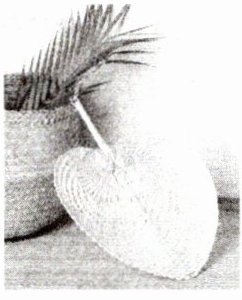
“I’m interested in bamboo weaving,” says 14-year-old Cheng Yangyi. “My first work is a bamboo fan. This is a job that needs a lot of patience. ” When he first tries it, he often makes mistakes. The thin strips(竹条) will be either too close or too far from each other. Then he needs to start all over again. “I sometimes get angry. But when I finally finish the fan, all the restlessness(烦躁) just goes away and I feel very proud, ” Cheng says.
During club activities, students use smooth(光滑的) bamboo strips. But it takes a lot of work to turn bamboo into strips, including cutting off the green skin, breaking it into thin pieces, and making sure the strips are as wide as each other. “It’s amazing to know how the plants are, step by step, turned into fine arts,” says 14-year-old Du Yihang.
1. What does the underlined word “This” in Paragraph 3 refer to?
A. Cutting thin strips.
B. Making a bamboo fan.
C. Starting all over again.
2. How does Cheng Yangyi feel when making a bamboo fan?
A. happy→angry→relaxed
B. angry→bored→excited
C. interested→angry→proud
3. What are the steps of making bamboo artworks?
a. cut off the green skin of bamboo
b. make the strips as wide as each other
c. break the bamboo into thin pieces
d. use strips to do bamboo weaving
A. a→c→b→d
B. d→b→c→a
C. c→a→d→b
4. What’s the best title of this passage?
A. Bamboo weaving, a fine art
B. Welcome to the weaving club
C. The history of bamboo weaving
When most people think of bamboo weaving(竹编), they may think of tools such as bamboo baskets. However, bamboo can also be made into beautiful and fantastic things.
In Golden Apple Jincheng No. 1 Secondary School, there is a bamboo weaving club. Students can learn from local craftsmen(当地的手艺人) about this traditional Chinese skill. They can make decorations, paintings, necklaces, rings and other things.
“I’m interested in bamboo weaving,” says 14-year-old Cheng Yangyi. “My first work is a bamboo fan. This is a job that needs a lot of patience. ” When he first tries it, he often makes mistakes. The thin strips(竹条) will be either too close or too far from each other. Then he needs to start all over again. “I sometimes get angry. But when I finally finish the fan, all the restlessness(烦躁) just goes away and I feel very proud, ” Cheng says.
During club activities, students use smooth(光滑的) bamboo strips. But it takes a lot of work to turn bamboo into strips, including cutting off the green skin, breaking it into thin pieces, and making sure the strips are as wide as each other. “It’s amazing to know how the plants are, step by step, turned into fine arts,” says 14-year-old Du Yihang.
1. What does the underlined word “This” in Paragraph 3 refer to?
A. Cutting thin strips.
B. Making a bamboo fan.
C. Starting all over again.
2. How does Cheng Yangyi feel when making a bamboo fan?
A. happy→angry→relaxed
B. angry→bored→excited
C. interested→angry→proud
3. What are the steps of making bamboo artworks?
a. cut off the green skin of bamboo
b. make the strips as wide as each other
c. break the bamboo into thin pieces
d. use strips to do bamboo weaving
A. a→c→b→d
B. d→b→c→a
C. c→a→d→b
4. What’s the best title of this passage?
A. Bamboo weaving, a fine art
B. Welcome to the weaving club
C. The history of bamboo weaving
答案
1. B 2. C 3. A 4. A
解析
【分析】
本题为英语阅读理解题,包含4道不同类型的题目,解题思路如下:1. 第1题是词义指代题,需定位到第三段找到划线词“This”所在句子,结合上下文前文内容确定指代对象;2. 第2题是情感态度细节题,需在第三段提取程阳毅制作竹扇时的情绪变化相关语句;3. 第3题是细节排序题,需定位到第四段找到制作竹艺品的步骤并排序;4. 第4题是主旨大意题,需总结全文核心内容,匹配最佳标题。
【解析】
1. 第1题:定位第三段,前文提到程阳毅的第一个作品是竹扇,划线词“This”指代“制作竹扇”这件事,对应选项B。
2. 第2题:第三段中程阳毅的表述:“I’m interested in bamboo weaving”(感兴趣)、“I sometimes get angry”(生气)、“I feel very proud”(自豪),情绪变化为感兴趣→生气→自豪,对应选项C。
3. 第3题:第四段明确制作竹条的步骤:先切去竹皮(a),再劈成细条(c),接着确保竹条宽度一致(b),最后用竹条做竹编(d),顺序为a→c→b→d,对应选项A。
4. 第4题:全文围绕竹编是一种精美的艺术展开,介绍了学校竹编俱乐部、学生制作竹艺品的过程与感受,核心是竹编作为艺术,对应选项A。
【答案】1. B 2. C 3. A 4. A
【知识点】词义指代、细节理解、主旨大意
【点评】本题考查英语阅读理解的核心题型,需要学生精准定位原文信息,准确提取关键内容,整体难度适中,适合初中阶段学生练习。
【难度系数】0.6
