

 登录
登录
一、用accept和receive的适当形式填空
1. However, we should also
2. She has
3. They
4. The hotel
5. They
1. However, we should also
accept
that there are many things we can't control.2. She has
received
his present, but she will not accept it.3. They
accepted
the invitation and received the award.4. The hotel
receives
many guests every day.5. They
accepted
our terms and signed the contract(合同).答案
1.accept 2.received 3.accepted 4.receives 5.accepted
解析
【分析】
首先明确accept与receive的核心区别:accept侧重主观上“接受、认可”,receive侧重客观上“收到、接到(不一定接受)”;再结合每个句子的时态、语境判断用词及形式:1. 情态动词should后接动词原形,语境是主观认可某事,选accept;2. 现在完成时需用过去分词,语境是客观收到礼物但不接受,选receive的过去分词received;3. 并列谓语时态一致,后接过去式received,此处是主观接受邀请,用过去式accepted;4. 一般现在时,主语hotel是第三人称单数,表“接待客人”用receive的第三人称单数形式receives;5. 过去式,语境是主观接受条款,用过去式accepted。
【解析】
1. 情态动词should后接动词原形,结合语境“我们应接受(认可)有很多事无法控制”,故填accept;
2. 现在完成时结构为have+过去分词,语境是“她客观收到礼物但不接受”,故填receive的过去分词received;
3. 并列谓语时态一致,后接过去式received,此处是“主观接受邀请”,故填accept的过去式accepted;
4. 一般现在时,主语the hotel是第三人称单数,表“接待客人”用receive的第三人称单数形式receives;
5. 句子描述过去动作,语境是“主观接受条款”,故填accept的过去式accepted。
【答案】
1.accept 2.received 3.accepted 4.receives 5.accepted
【知识点】
动词词义辨析、时态运用
【点评】
本题考查易混动词accept与receive的词义差异,同时结合不同时态(一般现在时、一般过去时、现在完成时)考查动词形式,需先区分词义再结合语境和时态确定答案,是初中英语的基础考点。
【难度系数】
0.5
首先明确accept与receive的核心区别:accept侧重主观上“接受、认可”,receive侧重客观上“收到、接到(不一定接受)”;再结合每个句子的时态、语境判断用词及形式:1. 情态动词should后接动词原形,语境是主观认可某事,选accept;2. 现在完成时需用过去分词,语境是客观收到礼物但不接受,选receive的过去分词received;3. 并列谓语时态一致,后接过去式received,此处是主观接受邀请,用过去式accepted;4. 一般现在时,主语hotel是第三人称单数,表“接待客人”用receive的第三人称单数形式receives;5. 过去式,语境是主观接受条款,用过去式accepted。
【解析】
1. 情态动词should后接动词原形,结合语境“我们应接受(认可)有很多事无法控制”,故填accept;
2. 现在完成时结构为have+过去分词,语境是“她客观收到礼物但不接受”,故填receive的过去分词received;
3. 并列谓语时态一致,后接过去式received,此处是“主观接受邀请”,故填accept的过去式accepted;
4. 一般现在时,主语the hotel是第三人称单数,表“接待客人”用receive的第三人称单数形式receives;
5. 句子描述过去动作,语境是“主观接受条款”,故填accept的过去式accepted。
【答案】
1.accept 2.received 3.accepted 4.receives 5.accepted
【知识点】
动词词义辨析、时态运用
【点评】
本题考查易混动词accept与receive的词义差异,同时结合不同时态(一般现在时、一般过去时、现在完成时)考查动词形式,需先区分词义再结合语境和时态确定答案,是初中英语的基础考点。
【难度系数】
0.5
(
A.received; accept
B.accepted; receive
C.accepted; accept
D.received; receive
A
)6.Lily received
an expensive gift from her pen pal, but she didn't want to accept
it.A.received; accept
B.accepted; receive
C.accepted; accept
D.received; receive
答案
6.A
解析
【分析】本题考查易混动词receive与accept的词义辨析。首先明确两个词的核心含义:receive侧重“收到”这一客观动作,不涉及主观意愿;accept侧重“接受”这一主观动作,即主动同意收下。结合句意:Lily客观上收到了笔友的昂贵礼物,但主观上不想接受,据此可判断两个空的用词。
【解析】receive意为“收到(客观上的动作)”,accept意为“接受(主观上的动作)”。句意为:Lily收到了来自笔友的一份昂贵礼物,但她不想接受它。第一空描述客观收到的动作,用received;第二空描述主观接受的动作,用accept,因此正确选项为A。
【答案】A
【知识点】动词词义辨析;receive与accept的用法
【点评】本题为基础词义辨析题,需准确区分receive和accept的核心差异,结合句意即可快速选出答案,属于英语学习中的基础考点。
【难度系数】0.6
【解析】receive意为“收到(客观上的动作)”,accept意为“接受(主观上的动作)”。句意为:Lily收到了来自笔友的一份昂贵礼物,但她不想接受它。第一空描述客观收到的动作,用received;第二空描述主观接受的动作,用accept,因此正确选项为A。
【答案】A
【知识点】动词词义辨析;receive与accept的用法
【点评】本题为基础词义辨析题,需准确区分receive和accept的核心差异,结合句意即可快速选出答案,属于英语学习中的基础考点。
【难度系数】0.6
用所给单词的适当形式完成下面语段
1. Toby, Sam and Dave all sing
2. He thinks it's
3. The magician (魔术师) moved his hand, and the flower
4. She is a great
5. Our art teacher asked us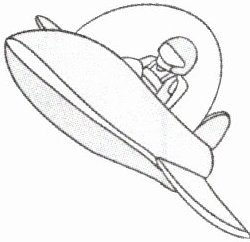
1. Toby, Sam and Dave all sing
badly
. Toby sings worse
than Sam. And Dave sings the worst
of the three. (bad)2. He thinks it's
impossible
for him to be an astronaut in the future, but his father tells him everything is possible
as long as he keeps trying. And he possibly
has a chance to make his dream come true if he starts preparing now. (possible)3. The magician (魔术师) moved his hand, and the flower
disappeared
. Then, in its place, a white rabbit appeared
— the sudden appearance
surprised us all! (appear)4. She is a great
educator
. She often educates
her students to work hard when she teaches in class. Because she believes a good education
can change one's life and change the whole country. (educate) 5. Our art teacher asked us
to create
a painting about our dreams. Everyone was full of creativity
. I painted a big spaceship. The teacher said my work was very creative
. It was fun to use our imagination to make something new. (create) 答案
1.badly; worse; worst
2.impossible; possible; possibly
3.disappeared; appeared; appearance
4.educator; educates; education
5.to create; creativity; creative
2.impossible; possible; possibly
3.disappeared; appeared; appearance
4.educator; educates; education
5.to create; creativity; creative
解析
【分析】本题考查单词的适当形式转换,需结合句子成分、语境及语法规则变形:1题中,修饰动词用副词,比较级由than判断,最高级由of the three判断;2题根据语境判断反义词、原级及副词形式;3题结合魔术师的动作逻辑,判断动词过去式及名词形式;4题根据语境判断职业名词、动词第三人称单数及名词;5题结合固定搭配、名词及形容词用法变形。
【解析】1. 第一空修饰动词sing,用bad的副词形式badly;第二空由than可知用比较级worse;第三空由of the three(三者)可知用最高级worst。2. 第一空根据语境“当宇航员不可能”,用possible的反义词impossible;第二空“一切皆可能”用possible;第三空修饰动词has,用副词possibly。3. 第一空魔术师使花消失,用appear的过去式disappeared;第二空兔子出现,用过去式appeared;第三空“突然的______”用名词appearance。4. 第一空“伟大的______”指人,用educator(教育家);第二空主语为第三人称单数she,一般现在时,动词用educates;第三空“好的______”指名词education(教育)。5. 第一空固定搭配ask sb to do sth,用不定式to create;第二空“充满______”用名词creativity;第三空修饰名词work,用形容词creative。
【答案】1.badly; worse; worst 2.impossible; possible; possibly 3.disappeared; appeared; appearance 4.educator; educates; education 5.to create; creativity; creative
【知识点】词形转换、形容词副词的级、动词的形式变化
【点评】本题为基础词汇变形题,考查学生对不同词性、时态及比较级最高级的掌握,需结合句子语境和语法规则判断,难度适中,是初中英语常见题型。
【难度系数】0.6
【解析】1. 第一空修饰动词sing,用bad的副词形式badly;第二空由than可知用比较级worse;第三空由of the three(三者)可知用最高级worst。2. 第一空根据语境“当宇航员不可能”,用possible的反义词impossible;第二空“一切皆可能”用possible;第三空修饰动词has,用副词possibly。3. 第一空魔术师使花消失,用appear的过去式disappeared;第二空兔子出现,用过去式appeared;第三空“突然的______”用名词appearance。4. 第一空“伟大的______”指人,用educator(教育家);第二空主语为第三人称单数she,一般现在时,动词用educates;第三空“好的______”指名词education(教育)。5. 第一空固定搭配ask sb to do sth,用不定式to create;第二空“充满______”用名词creativity;第三空修饰名词work,用形容词creative。
【答案】1.badly; worse; worst 2.impossible; possible; possibly 3.disappeared; appeared; appearance 4.educator; educates; education 5.to create; creativity; creative
【知识点】词形转换、形容词副词的级、动词的形式变化
【点评】本题为基础词汇变形题,考查学生对不同词性、时态及比较级最高级的掌握,需结合句子语境和语法规则判断,难度适中,是初中英语常见题型。
【难度系数】0.6
写出画线词的汉语意思。
1. pass
①Peter, could you pass the salt to me?
②He passed the small garden and saw many beautiful flowers.
③She thinks she will pass her driving test.
给画线词匹配合适的词义。
2. influence
(
(
A. (v.)影响;对……起作用
B. (n.)影响;作用
1. pass
①Peter, could you pass the salt to me?
递给
②He passed the small garden and saw many beautiful flowers.
经过
③She thinks she will pass her driving test.
及格
给画线词匹配合适的词义。
2. influence
(
B
)①His friends have a good influence on him.(
A
)②立德树人·榜样教育 Confucius greatly influenced the development of Chinese culture and education.A. (v.)影响;对……起作用
B. (n.)影响;作用
答案
1.①递给②经过③及格 2.BA
解析
【分析】
本题考查英语多义词在不同语境中的词义辨析,解题思路为:先分析每个句子中核心词的语境,结合常用词义匹配对应含义;再根据词性和语境匹配选项,完成词义选择。
【解析】
1. 分析pass的三个句子:
①句“pass the salt to me”表示“把盐递给我”,故pass意为“递给”;
②句“passed the small garden”表示“经过小花园”,故pass意为“经过”;
③句“pass her driving test”表示“通过驾驶考试(及格)”,故pass意为“及格”。
2. 分析influence的两个句子:
①句中“have a good influence on him”里influence是名词,对应选项B(n.影响;作用);
②句中“influenced the development...”里influence是动词,对应选项A(v.影响;对……起作用)。
【答案】
1.①递给②经过③及格 2.BA
【知识点】
英语多义词辨析、名词与动词词义
【点评】
本题考查常见英语多义词在具体语境中的词义应用,需结合语境判断词性与含义,属于基础题型。
【难度系数】
0.5
本题考查英语多义词在不同语境中的词义辨析,解题思路为:先分析每个句子中核心词的语境,结合常用词义匹配对应含义;再根据词性和语境匹配选项,完成词义选择。
【解析】
1. 分析pass的三个句子:
①句“pass the salt to me”表示“把盐递给我”,故pass意为“递给”;
②句“passed the small garden”表示“经过小花园”,故pass意为“经过”;
③句“pass her driving test”表示“通过驾驶考试(及格)”,故pass意为“及格”。
2. 分析influence的两个句子:
①句中“have a good influence on him”里influence是名词,对应选项B(n.影响;作用);
②句中“influenced the development...”里influence是动词,对应选项A(v.影响;对……起作用)。
【答案】
1.①递给②经过③及格 2.BA
【知识点】
英语多义词辨析、名词与动词词义
【点评】
本题考查常见英语多义词在具体语境中的词义应用,需结合语境判断词性与含义,属于基础题型。
【难度系数】
0.5
