

 登录
登录
(C)
In the 1970s, a graduate from Harvard University named
Peggy wanted to do a research to find out whether animals are
able to think, learn information and act on it. She decided to
study the thought processes of an animal by talking to it.
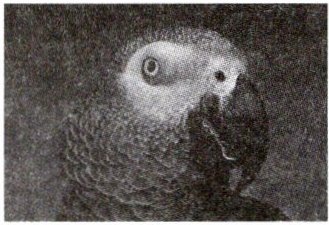
In order to do this, Peggy would teach a one-year-old grey parrot named Alex to
follow the sounds of the English language. "I thought if he learned to communicate, I
could ask him questions about how he sees the world."
Peggy bought Alex in a pet store. She let the store's keeper choose him because
she didn't want other scientists to say that she chose an especially smart bird on
purpose. "Some people actually called me crazy for trying this, because Alex's brain
was just the size of a walnut, " she said.
But with Peggy's patient teaching, Alex learned how to follow almost 100
English words, including the names of food. He could count to six and learned the
sound for seven and eight. But the point was not to see if Alex could learn words by
heart. Peggy wanted to get inside his mind and learn more about a bird's understanding
of the world.
In one demonstration, Peggy placed Alex on a table in the middle of the
room. She then held up a green key and a small green cup for him to look at.
"What's the same?" she asked.
Without thinking, Alex's beak opened: "Co-lour."
"What's different?" Peggy asked.
"Shape, " Alex said. His voice had the sound of a cartoon character. But the
words—and what can only be called the thoughts—were completely his. Many of
Alex's skills, such as his ability to understand the ideas of "same" and "different" are
very unusual in the animal world.
In the demonstration, when one of the younger birds Peggy was also teaching
mispronounced the word "green", Alex spoke up, "Talk clearly!"
"He's moody, " said Peggy, "so he interrupts the others, or he sometimes gives
the wrong answer just to be difficult." Peggy was certainly learning more about the
mind of a parrot, but like the parent of a troublesome child, she was learning the hard
way. (362 words)
33. Why did Peggy let the shop keeper choose the bird?
A. She needed a very smart bird for her study.
B. She believed it a right way to do a research.
C. She didn't know how to choose a right bird.
D. She wanted to find a bird with a small brain.
34. How did Peggy carry out her research?
A. By learning about the bird's ability to think.
B. By teaching the bird with some reading skills.
C. By comparing the bird's acts with other animals'.
D. By recording what the bird was doing on his own.
35. How was Alex different from other animals?
A. He could count from one to ten.
B. He had the ability to talk with other birds.
C. He could pass on the knowledge to other birds.
D. He could compare the differences between things.
36. What caused the difficulty of the study?
A. Alex would point out Peggy's problems.
B. Alex was too clever to control sometimes.
C. Other scientists thought the study was crazy.
D. Alex was not able to follow Peggy's instructions.
In the 1970s, a graduate from Harvard University named
Peggy wanted to do a research to find out whether animals are
able to think, learn information and act on it. She decided to
study the thought processes of an animal by talking to it.
In order to do this, Peggy would teach a one-year-old grey parrot named Alex to
follow the sounds of the English language. "I thought if he learned to communicate, I
could ask him questions about how he sees the world."
Peggy bought Alex in a pet store. She let the store's keeper choose him because
she didn't want other scientists to say that she chose an especially smart bird on
purpose. "Some people actually called me crazy for trying this, because Alex's brain
was just the size of a walnut, " she said.
But with Peggy's patient teaching, Alex learned how to follow almost 100
English words, including the names of food. He could count to six and learned the
sound for seven and eight. But the point was not to see if Alex could learn words by
heart. Peggy wanted to get inside his mind and learn more about a bird's understanding
of the world.
In one demonstration, Peggy placed Alex on a table in the middle of the
room. She then held up a green key and a small green cup for him to look at.
"What's the same?" she asked.
Without thinking, Alex's beak opened: "Co-lour."
"What's different?" Peggy asked.
"Shape, " Alex said. His voice had the sound of a cartoon character. But the
words—and what can only be called the thoughts—were completely his. Many of
Alex's skills, such as his ability to understand the ideas of "same" and "different" are
very unusual in the animal world.
In the demonstration, when one of the younger birds Peggy was also teaching
mispronounced the word "green", Alex spoke up, "Talk clearly!"
"He's moody, " said Peggy, "so he interrupts the others, or he sometimes gives
the wrong answer just to be difficult." Peggy was certainly learning more about the
mind of a parrot, but like the parent of a troublesome child, she was learning the hard
way. (362 words)
33. Why did Peggy let the shop keeper choose the bird?
A. She needed a very smart bird for her study.
B. She believed it a right way to do a research.
C. She didn't know how to choose a right bird.
D. She wanted to find a bird with a small brain.
34. How did Peggy carry out her research?
A. By learning about the bird's ability to think.
B. By teaching the bird with some reading skills.
C. By comparing the bird's acts with other animals'.
D. By recording what the bird was doing on his own.
35. How was Alex different from other animals?
A. He could count from one to ten.
B. He had the ability to talk with other birds.
C. He could pass on the knowledge to other birds.
D. He could compare the differences between things.
36. What caused the difficulty of the study?
A. Alex would point out Peggy's problems.
B. Alex was too clever to control sometimes.
C. Other scientists thought the study was crazy.
D. Alex was not able to follow Peggy's instructions.
答案
33.B 34.A 35.D 36.B
解析
【分析】
首先,针对每道题,需定位原文对应信息,通过比对选项与原文内容,排除错误选项,选出正确答案。33题需找到Peggy让店主选鸟的原因;34题需明确Peggy的研究方式;35题需找出Alex与其他动物的不同之处;36题需分析研究遇到困难的原因,均需紧扣原文细节判断。
【解析】
33题:原文提到“She let the store's keeper choose him because she didn't want other scientists to say that she chose an especially smart bird on purpose.”,即她不想被其他科学家指责故意选特别聪明的鸟,这是为了保证研究的客观性,对应选项B。
34题:原文第一段指出Peggy的研究目的是“find out whether animals are able to think... by talking to it”,后续通过教Alex语言来研究其思维,对应选项A。
35题:原文提到“Many of Alex's skills, such as his ability to understand the ideas of 'same' and 'different' are very unusual in the animal world.”,即Alex能理解“相同”和“不同”的概念,对应选项D。
36题:原文最后一段提到“He's moody... sometimes gives the wrong answer just to be difficult”,且Peggy形容他像“troublesome child”,说明Alex有时太聪明难以控制,对应选项B。
【答案】
33.B 34.A 35.D 36.B
【知识点】
英语阅读理解、细节理解题
【点评】
本题为英语阅读理解题,围绕动物认知研究展开,主要考查学生对文章细节信息的定位与理解能力,需准确匹配问题与原文内容,难度适中。
【难度系数】
0.5
首先,针对每道题,需定位原文对应信息,通过比对选项与原文内容,排除错误选项,选出正确答案。33题需找到Peggy让店主选鸟的原因;34题需明确Peggy的研究方式;35题需找出Alex与其他动物的不同之处;36题需分析研究遇到困难的原因,均需紧扣原文细节判断。
【解析】
33题:原文提到“She let the store's keeper choose him because she didn't want other scientists to say that she chose an especially smart bird on purpose.”,即她不想被其他科学家指责故意选特别聪明的鸟,这是为了保证研究的客观性,对应选项B。
34题:原文第一段指出Peggy的研究目的是“find out whether animals are able to think... by talking to it”,后续通过教Alex语言来研究其思维,对应选项A。
35题:原文提到“Many of Alex's skills, such as his ability to understand the ideas of 'same' and 'different' are very unusual in the animal world.”,即Alex能理解“相同”和“不同”的概念,对应选项D。
36题:原文最后一段提到“He's moody... sometimes gives the wrong answer just to be difficult”,且Peggy形容他像“troublesome child”,说明Alex有时太聪明难以控制,对应选项B。
【答案】
33.B 34.A 35.D 36.B
【知识点】
英语阅读理解、细节理解题
【点评】
本题为英语阅读理解题,围绕动物认知研究展开,主要考查学生对文章细节信息的定位与理解能力,需准确匹配问题与原文内容,难度适中。
【难度系数】
0.5
