

 登录
登录
Ⅰ.【本土文化】完形填空。
Have you ever heard of Jiuzhai Valley National Park? It is located in Sichuan Province. It is about 430 kilometres to the north 1 Chengdu. I think it is one of the most beautiful 2 wonders in the world. There are blue lakes, waterfalls, forests, mountains and 3 beautiful sights.
There is a legend about it. It is said that long long ago, the god of the mountain named Dago fell in love with the goddess Semo. He 4 a mirror that was made from winds and clouds to the goddess. She was happy to get it. However, several days later, a bad person appeared 5 decided to hurt Semo when she was alone at home. 6, Semo broke the mirror into 108 pieces by accident. The pieces fell down to the 7 and then turned into 108 colourful lakes. The lake is also called haizi by the local people.
There are lots of plants and animals in the area. The natural forest 8 an area of nearly 30, 000 hectares. The plants have 9 a good environment for wild animals. Here are many kinds of animals, for example, pandas and monkeys. They make the park more lovely.
Jiuzhai Valley National Park is more than 600 square kilometres. You may know the three main valleys, Shuzheng Valley, Rize Valley and Zechawa Valley, but 10, there are more sights than you expect. There are Panda Sea Falls which have the greatest drop, the Arrow Bamboo Lake that has a large area of bamboo, the favourite food of pandas, and so on. The best time to visit Jiuzhai Valley is autumn, especially September and October.

(
(
(
(
(
(
(
(
(
(
Have you ever heard of Jiuzhai Valley National Park? It is located in Sichuan Province. It is about 430 kilometres to the north 1 Chengdu. I think it is one of the most beautiful 2 wonders in the world. There are blue lakes, waterfalls, forests, mountains and 3 beautiful sights.
There is a legend about it. It is said that long long ago, the god of the mountain named Dago fell in love with the goddess Semo. He 4 a mirror that was made from winds and clouds to the goddess. She was happy to get it. However, several days later, a bad person appeared 5 decided to hurt Semo when she was alone at home. 6, Semo broke the mirror into 108 pieces by accident. The pieces fell down to the 7 and then turned into 108 colourful lakes. The lake is also called haizi by the local people.
There are lots of plants and animals in the area. The natural forest 8 an area of nearly 30, 000 hectares. The plants have 9 a good environment for wild animals. Here are many kinds of animals, for example, pandas and monkeys. They make the park more lovely.
Jiuzhai Valley National Park is more than 600 square kilometres. You may know the three main valleys, Shuzheng Valley, Rize Valley and Zechawa Valley, but 10, there are more sights than you expect. There are Panda Sea Falls which have the greatest drop, the Arrow Bamboo Lake that has a large area of bamboo, the favourite food of pandas, and so on. The best time to visit Jiuzhai Valley is autumn, especially September and October.
(
C
)1. A. from B. to C. of D. on(
B
)2. A. man-made B. natural C. ancient D. modern(
B
)3. A. another B. other C. little D. few(
C
)4. A. showed B. introduced C. gave D. returned(
A
)5. A. and B. or C. so D. but(
D
)6. A. Especially B. Luckily C. Firstly D. Unluckily(
B
)7. A. moon B. earth C. sun D. star(
C
)8. A. receives B. measures C. covers D. spends(
D
)9. A. bought B. drawn C. chosen D. provided(
D
)10. A. in my opinion B. in the end C. in person D. in fact答案
1.C 2.B 3.B 4.C 5.A 6.D 7.B 8.C 9.D 10.D
解析
【分析】
本题是关于九寨沟的完形填空,需结合上下文语境、固定搭配、词汇词义辨析来逐一确定答案。解题时先通读全文把握主旨,再针对每个空格,分析句子结构、词汇用法及逻辑关系,选出符合语境的选项。
【解析】
1. 考查固定搭配。“to the north of...”是固定短语,意为“在……的北部”,故选C。
2. 考查形容词辨析。九寨沟是自然形成的景观,natural(自然的)符合语境;man-made(人造的)、ancient(古代的)、modern(现代的)均不符合,故选B。
3. 考查形容词辨析。other修饰复数名词sights,意为“其他的美景”;another修饰单数名词,little/few表数量少,不符合语境,故选B。
4. 考查动词搭配。“give sth to sb”是固定搭配,意为“把某物给某人”,符合语境;showed(展示)、introduced(介绍)、returned(归还)均不合适,故选C。
5. 考查连词。前后是并列动作,坏人出现并且决定伤害Semo,用and连接;or(或者)、so(所以)、but(但是)不符合逻辑,故选A。
6. 考查副词。根据语境,Semo意外打碎镜子是不幸的,Unluckily(不幸地)符合;Especially(尤其)、Luckily(幸运地)、Firstly(首先)不符合,故选D。
7. 考查名词。镜子碎片落到地面上,earth(地面)符合;moon(月亮)、sun(太阳)、star(星星)不符合,故选B。
8. 考查动词搭配。“cover an area of”是固定搭配,意为“覆盖……面积”,符合语境;receives(收到)、measures(测量)、spends(花费)不符合,故选C。
9. 考查动词搭配。“provide sth for...”是固定搭配,意为“为……提供某物”,符合语境;bought(买)、drawn(画)、chosen(选择)不符合,故选D。
10. 考查短语辨析。in fact意为“事实上”,符合语境;in my opinion(依我看)、in the end(最后)、in person(亲自)不符合,故选D。
【答案】
1.C 2.B 3.B 4.C 5.A 6.D 7.B 8.C 9.D 10.D
【知识点】
固定搭配、形容词辨析、副词辨析
【点评】
本题结合本土文化(九寨沟)考查完形填空,侧重词汇辨析和固定搭配的运用,需要学生具备一定的语境分析能力,整体难度适中。
【难度系数】
0.5
本题是关于九寨沟的完形填空,需结合上下文语境、固定搭配、词汇词义辨析来逐一确定答案。解题时先通读全文把握主旨,再针对每个空格,分析句子结构、词汇用法及逻辑关系,选出符合语境的选项。
【解析】
1. 考查固定搭配。“to the north of...”是固定短语,意为“在……的北部”,故选C。
2. 考查形容词辨析。九寨沟是自然形成的景观,natural(自然的)符合语境;man-made(人造的)、ancient(古代的)、modern(现代的)均不符合,故选B。
3. 考查形容词辨析。other修饰复数名词sights,意为“其他的美景”;another修饰单数名词,little/few表数量少,不符合语境,故选B。
4. 考查动词搭配。“give sth to sb”是固定搭配,意为“把某物给某人”,符合语境;showed(展示)、introduced(介绍)、returned(归还)均不合适,故选C。
5. 考查连词。前后是并列动作,坏人出现并且决定伤害Semo,用and连接;or(或者)、so(所以)、but(但是)不符合逻辑,故选A。
6. 考查副词。根据语境,Semo意外打碎镜子是不幸的,Unluckily(不幸地)符合;Especially(尤其)、Luckily(幸运地)、Firstly(首先)不符合,故选D。
7. 考查名词。镜子碎片落到地面上,earth(地面)符合;moon(月亮)、sun(太阳)、star(星星)不符合,故选B。
8. 考查动词搭配。“cover an area of”是固定搭配,意为“覆盖……面积”,符合语境;receives(收到)、measures(测量)、spends(花费)不符合,故选C。
9. 考查动词搭配。“provide sth for...”是固定搭配,意为“为……提供某物”,符合语境;bought(买)、drawn(画)、chosen(选择)不符合,故选D。
10. 考查短语辨析。in fact意为“事实上”,符合语境;in my opinion(依我看)、in the end(最后)、in person(亲自)不符合,故选D。
【答案】
1.C 2.B 3.B 4.C 5.A 6.D 7.B 8.C 9.D 10.D
【知识点】
固定搭配、形容词辨析、副词辨析
【点评】
本题结合本土文化(九寨沟)考查完形填空,侧重词汇辨析和固定搭配的运用,需要学生具备一定的语境分析能力,整体难度适中。
【难度系数】
0.5
Ⅱ. 阅读理解。
Do you get angry when a friend borrows your favourite thing and then breaks it? Do
you get angry when your team loses an important game? Do you get angry when your teacher gives you too much homework? Do you get angry when your best friend does not wait for you after school? Anger is a kind of feeling.
Usually, your body will tell you when you are angry. For example, you breathe faster, your face turns red, and you may want to break something. But sometimes you hide your anger. For example, you are really angry, but you may keep it to yourself. The worst thing is to do nothing but keep quiet. If you do this, maybe you will get a headache.
So what can we do when we get angry? In fact, it's normal for you to get angry sometimes. But anger must be let out in the right way. Is it better to cry or break things whenever something makes us angry? Research points out that when we show our anger in this way, we can't probably get on well with our friends and family. The more time we keep getting angry, the worse result we'll get.
One good way is to keep a record. Every time you get angry, write down why you are angry. Besides, ▲. When you get angry, you can talk about it with other people and share your problems with them like your friends and family. Lastly, do some physical activities. Doing some housework or exercise helps reduce your feeling of anger.
Anger is a normal feeling. Knowing it and learning to deal with it in a right way are important.
(
A. By telling a story.
B. By giving examples.
C. By making a survey.
D. By asking questions.
(
A. Why do people get angry easily?
B. How does anger affect your health?
C. What happens when you are angry?
D. When should people express their anger?
(
a. Exercising.
b. Listening to music.
c. Writing down the reasons.
d. Doing some housework.
A. acd
B. abd
C. abc
D. bcd
(
A. eat out
B. understand others
C. say how you're feeling and why
D. write a diary every day
(
Do you get angry when a friend borrows your favourite thing and then breaks it? Do
you get angry when your team loses an important game? Do you get angry when your teacher gives you too much homework? Do you get angry when your best friend does not wait for you after school? Anger is a kind of feeling.
Usually, your body will tell you when you are angry. For example, you breathe faster, your face turns red, and you may want to break something. But sometimes you hide your anger. For example, you are really angry, but you may keep it to yourself. The worst thing is to do nothing but keep quiet. If you do this, maybe you will get a headache.
So what can we do when we get angry? In fact, it's normal for you to get angry sometimes. But anger must be let out in the right way. Is it better to cry or break things whenever something makes us angry? Research points out that when we show our anger in this way, we can't probably get on well with our friends and family. The more time we keep getting angry, the worse result we'll get.
One good way is to keep a record. Every time you get angry, write down why you are angry. Besides, ▲. When you get angry, you can talk about it with other people and share your problems with them like your friends and family. Lastly, do some physical activities. Doing some housework or exercise helps reduce your feeling of anger.
Anger is a normal feeling. Knowing it and learning to deal with it in a right way are important.
(
D
)11. How does the writer start the passage?A. By telling a story.
B. By giving examples.
C. By making a survey.
D. By asking questions.
(
C
)12. What BIG question does Paragraph 2 answer?A. Why do people get angry easily?
B. How does anger affect your health?
C. What happens when you are angry?
D. When should people express their anger?
(
A
)13. Which of the following can help deal with the feeling of anger according to the passage?a. Exercising.
b. Listening to music.
c. Writing down the reasons.
d. Doing some housework.
A. acd
B. abd
C. abc
D. bcd
(
C
)14. Which of the following can be put in the “ ▲ ”?A. eat out
B. understand others
C. say how you're feeling and why
D. write a diary every day
(
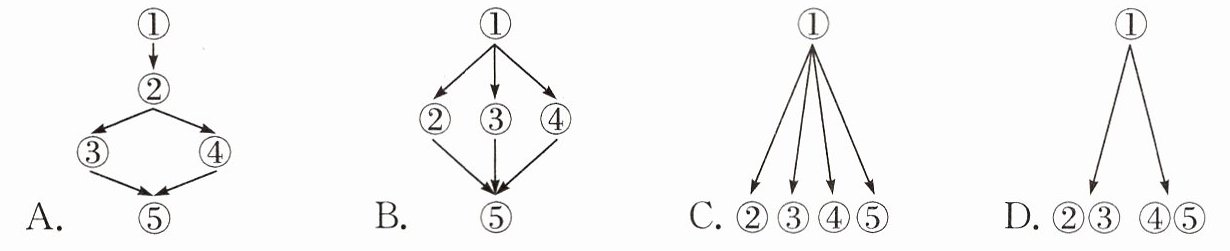
A
)15. What's the correct structure of the passage?答案
11.D 12.C 13.A 14.C 15.A
解析
【分析】
本题为英语阅读理解题,需先通读文章理解主旨,再针对每个问题定位原文内容,结合选项逐一分析判断。具体思路:11题考查文章开篇方式,需看开头句式;12题考查段落主旨,需梳理第二段内容;13题考查细节信息,需定位处理生气的方法;14题考查句子衔接,需结合上下文逻辑;15题考查文章结构,需划分段落层次。
【解析】
11. 文章开头连续提出四个问句(“Do you get angry when...?”),作者通过提问的方式开篇,故选D。
12. 第二段主要描述生气时的身体反应(呼吸快、脸红、想摔东西等)以及隐藏生气的表现,核心是说明生气时会发生什么,故选C。
13. 第四段提到处理生气的方法:①记录生气原因(对应c);②和他人谈论分享;③做体育活动(包括锻炼a、做家务d),因此acd正确,故选A。
14. 空格后内容是“和他人谈论、分享问题”,空格处应衔接“表达自己的感受和原因”,C选项符合逻辑,故选C。
15. 文章结构:第一段引入生气的常见场景;第二段说明生气时的表现;第三段说明生气需正确释放;第四段给出处理生气的方法;第五段总结,对应选项A的结构,故选A。
【答案】
11.D 12.C 13.A 14.C 15.A
【知识点】
英语阅读理解、细节理解、文章结构
【点评】
本题围绕“生气的情绪管理”展开,考查英语阅读理解的核心能力,包括细节查找、主旨理解、逻辑衔接及结构分析,题型常规,难度适中。
【难度系数】
0.6
本题为英语阅读理解题,需先通读文章理解主旨,再针对每个问题定位原文内容,结合选项逐一分析判断。具体思路:11题考查文章开篇方式,需看开头句式;12题考查段落主旨,需梳理第二段内容;13题考查细节信息,需定位处理生气的方法;14题考查句子衔接,需结合上下文逻辑;15题考查文章结构,需划分段落层次。
【解析】
11. 文章开头连续提出四个问句(“Do you get angry when...?”),作者通过提问的方式开篇,故选D。
12. 第二段主要描述生气时的身体反应(呼吸快、脸红、想摔东西等)以及隐藏生气的表现,核心是说明生气时会发生什么,故选C。
13. 第四段提到处理生气的方法:①记录生气原因(对应c);②和他人谈论分享;③做体育活动(包括锻炼a、做家务d),因此acd正确,故选A。
14. 空格后内容是“和他人谈论、分享问题”,空格处应衔接“表达自己的感受和原因”,C选项符合逻辑,故选C。
15. 文章结构:第一段引入生气的常见场景;第二段说明生气时的表现;第三段说明生气需正确释放;第四段给出处理生气的方法;第五段总结,对应选项A的结构,故选A。
【答案】
11.D 12.C 13.A 14.C 15.A
【知识点】
英语阅读理解、细节理解、文章结构
【点评】
本题围绕“生气的情绪管理”展开,考查英语阅读理解的核心能力,包括细节查找、主旨理解、逻辑衔接及结构分析,题型常规,难度适中。
【难度系数】
0.6
