

 登录
登录
(A)
Some animals were in great danger, and they might have disappeared forever. But with human help, some are making a comeback! Let's meet four of these special animals.
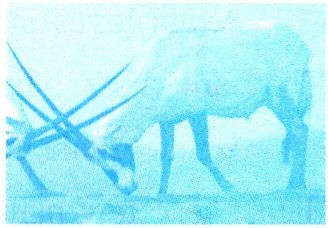
First up is the Arabian Oryx(阿拉伯剑羚羊). It was one of the first animals to be listed as "Extinct in the Wild" and later returned to its natural home. This elegant animal once had none left in the wild. People took care of them carefully and put them back into desert reserves. Now they live freely there.
Then we have the Mountain Gorilla(山地大猩猩). They live in East Africa's misty forests and are close to humans since over 98% of their DNA is like ours! Thanks to protection efforts, their gentle presence now draws visitors from around the world to see them. Tourism also brings money to care for them, so their numbers are slowly going up, and tourists love seeing these gentle animals even more.
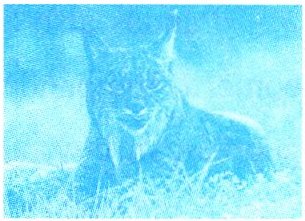
Another comeback star is the Iberian Lynx(伊比利亚猞猁), a wildcat species from Spain. It is known for its great hunting skills and good eyesight, but it was once the most endangered cat in the world. People improved its living areas and bred(饲养)it in safe places. In Spain, more rabbits, as their main food, now live in the wild, so this helps the lynx too. Now this skillful hunter is coming back strong!
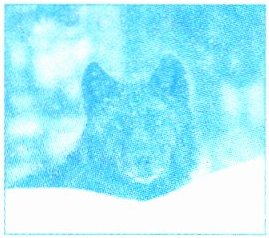
We also have the Gray Wolf. It had disappeared from Yellowstone National Park many years earlier, but people brought it back in the 1990s. With wolves around, the park became more balanced. They controlled the number of herbivores(食草动物), and therefore helped plants grow better. Now you can hear their long calls in the park, a sound that was gone for about 70 years. As top hunters, wolves play an important role in keeping the park's ecosystem healthy.
These stories give us hope. But some animals still need our help, so we must keep protecting them.
41. What does the underlined word "Extinct" in paragraph 2 probably mean?
A. Hard to live freely. B. Growing very fast.
C. Not living anymore. D. Living in zoos only.
42. Why is tourism good for Mountain Gorillas?
A. Tourists like feeding them food.
B. Tourists want to take them home.
C. It makes them move to new places.
D. It gives money for their protection.
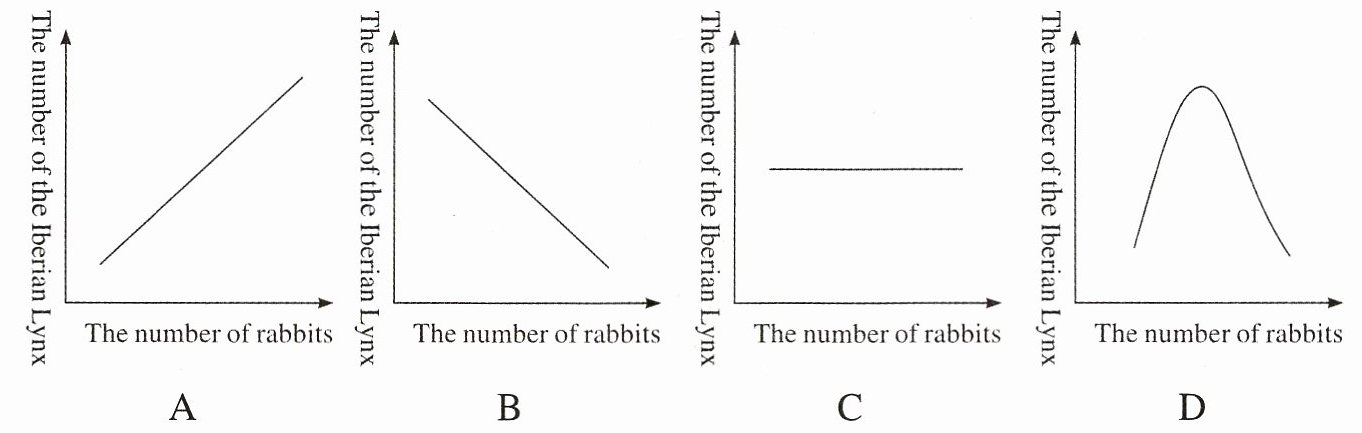
43. According to the passage, which line chart can roughly (大致) show the relationship between the number of rabbits and that of the Iberian Lynx?
44. What probably happened after the Gray Wolf came back to Yellowstone National Park?
A. The wolves' long calls disappeared.
B. The number of plants became smaller.
C. The park's nature became more balanced.
D. There were no more animals feeding on plants.
45. What is the main idea of the passage?
A. Animals can live well without humans.
B. Some animals have come back with human help.
C. Most of wild animals are safe and sound now.
D. Tourism has a good effect on animal protection.
Some animals were in great danger, and they might have disappeared forever. But with human help, some are making a comeback! Let's meet four of these special animals.
First up is the Arabian Oryx(阿拉伯剑羚羊). It was one of the first animals to be listed as "Extinct in the Wild" and later returned to its natural home. This elegant animal once had none left in the wild. People took care of them carefully and put them back into desert reserves. Now they live freely there.
Then we have the Mountain Gorilla(山地大猩猩). They live in East Africa's misty forests and are close to humans since over 98% of their DNA is like ours! Thanks to protection efforts, their gentle presence now draws visitors from around the world to see them. Tourism also brings money to care for them, so their numbers are slowly going up, and tourists love seeing these gentle animals even more.
Another comeback star is the Iberian Lynx(伊比利亚猞猁), a wildcat species from Spain. It is known for its great hunting skills and good eyesight, but it was once the most endangered cat in the world. People improved its living areas and bred(饲养)it in safe places. In Spain, more rabbits, as their main food, now live in the wild, so this helps the lynx too. Now this skillful hunter is coming back strong!
We also have the Gray Wolf. It had disappeared from Yellowstone National Park many years earlier, but people brought it back in the 1990s. With wolves around, the park became more balanced. They controlled the number of herbivores(食草动物), and therefore helped plants grow better. Now you can hear their long calls in the park, a sound that was gone for about 70 years. As top hunters, wolves play an important role in keeping the park's ecosystem healthy.
These stories give us hope. But some animals still need our help, so we must keep protecting them.
41. What does the underlined word "Extinct" in paragraph 2 probably mean?
A. Hard to live freely. B. Growing very fast.
C. Not living anymore. D. Living in zoos only.
42. Why is tourism good for Mountain Gorillas?
A. Tourists like feeding them food.
B. Tourists want to take them home.
C. It makes them move to new places.
D. It gives money for their protection.
43. According to the passage, which line chart can roughly (大致) show the relationship between the number of rabbits and that of the Iberian Lynx?
44. What probably happened after the Gray Wolf came back to Yellowstone National Park?
A. The wolves' long calls disappeared.
B. The number of plants became smaller.
C. The park's nature became more balanced.
D. There were no more animals feeding on plants.
45. What is the main idea of the passage?
A. Animals can live well without humans.
B. Some animals have come back with human help.
C. Most of wild animals are safe and sound now.
D. Tourism has a good effect on animal protection.
答案
41.C 42.D 43.A 44.C 45.B
解析
【分析】
本题为英语阅读理解题,包含词义猜测、细节理解、推理判断、主旨大意四类题型。解题思路如下:
1. 41题(词义猜测):定位第二段关于阿拉伯剑羚羊的描述,结合“once had none left in the wild”推断划线词含义;
2. 42题(细节理解):定位山地大猩猩相关段落,查找旅游对其有益的原因;
3. 43题(推理判断):定位伊比利亚猞猁段落,分析兔子与猞猁的食物关系,判断数量变化趋势;
4. 44题(细节理解):定位灰狼回归黄石公园的段落,查找回归后的结果;
5. 45题(主旨大意):通读全文,归纳核心内容。
【解析】
41. 词义猜测题:根据第二段“once had none left in the wild”可知,阿拉伯剑羚羊曾在野外完全消失,“Extinct”意为“不再存在”,故选C。
42. 细节理解题:第三段明确提到“Tourism also brings money to care for them”,说明旅游带来的资金用于山地大猩猩的保护,故选D。
43. 推理判断题:第四段指出伊比利亚猞猁以兔子为主要食物,兔子数量增加帮助猞猁回归,两者数量呈正相关,对应折线图A,故选A。
44. 细节理解题:第五段提到“With wolves around, the park became more balanced”,说明灰狼回归后公园生态更平衡,故选C。
45. 主旨大意题:全文围绕四种动物在人类帮助下从濒危回归的故事展开,核心是“人类助力动物回归”,故选B。
【答案】
41.C 42.D 43.A 44.C 45.B
【知识点】
词义猜测题、细节理解题、推理判断题、主旨大意题
【点评】
本题为动物保护主题的阅读理解,考查了英语阅读的核心题型,需学生精准定位原文信息、理解上下文逻辑,整体难度适中,适合中等水平学生作答。
【难度系数】
0.6
本题为英语阅读理解题,包含词义猜测、细节理解、推理判断、主旨大意四类题型。解题思路如下:
1. 41题(词义猜测):定位第二段关于阿拉伯剑羚羊的描述,结合“once had none left in the wild”推断划线词含义;
2. 42题(细节理解):定位山地大猩猩相关段落,查找旅游对其有益的原因;
3. 43题(推理判断):定位伊比利亚猞猁段落,分析兔子与猞猁的食物关系,判断数量变化趋势;
4. 44题(细节理解):定位灰狼回归黄石公园的段落,查找回归后的结果;
5. 45题(主旨大意):通读全文,归纳核心内容。
【解析】
41. 词义猜测题:根据第二段“once had none left in the wild”可知,阿拉伯剑羚羊曾在野外完全消失,“Extinct”意为“不再存在”,故选C。
42. 细节理解题:第三段明确提到“Tourism also brings money to care for them”,说明旅游带来的资金用于山地大猩猩的保护,故选D。
43. 推理判断题:第四段指出伊比利亚猞猁以兔子为主要食物,兔子数量增加帮助猞猁回归,两者数量呈正相关,对应折线图A,故选A。
44. 细节理解题:第五段提到“With wolves around, the park became more balanced”,说明灰狼回归后公园生态更平衡,故选C。
45. 主旨大意题:全文围绕四种动物在人类帮助下从濒危回归的故事展开,核心是“人类助力动物回归”,故选B。
【答案】
41.C 42.D 43.A 44.C 45.B
【知识点】
词义猜测题、细节理解题、推理判断题、主旨大意题
【点评】
本题为动物保护主题的阅读理解,考查了英语阅读的核心题型,需学生精准定位原文信息、理解上下文逻辑,整体难度适中,适合中等水平学生作答。
【难度系数】
0.6
