

 登录
登录
一、阅读理解。
A
Meimei went to the Old Town of Lijiang last weekend. Here is her travel diary.
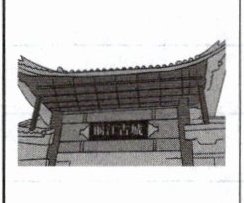
The Old Town of Lijiang lies in the northwest of Lijiang City. The old town covers an area of 7.3 square kilometers. The town is famous for its beautiful landscapes, old buildings and Dongba culture. There are no walls around the town, but three mountains.
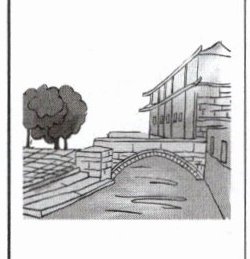
Water is everywhere in the town. Many small rivers run through the streets. There are about 300 bridges in the town. These bridges, ancient buildings and old trees make up a beautiful view of nature.
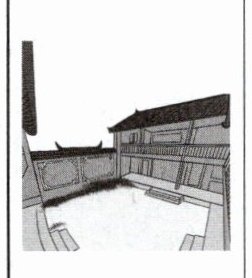
People there build houses with stones and wood. These houses have the features of many ethnic groups (民族), such as the Han, Naxi, Bai, and Yi. Every house in the old town is along a small river.
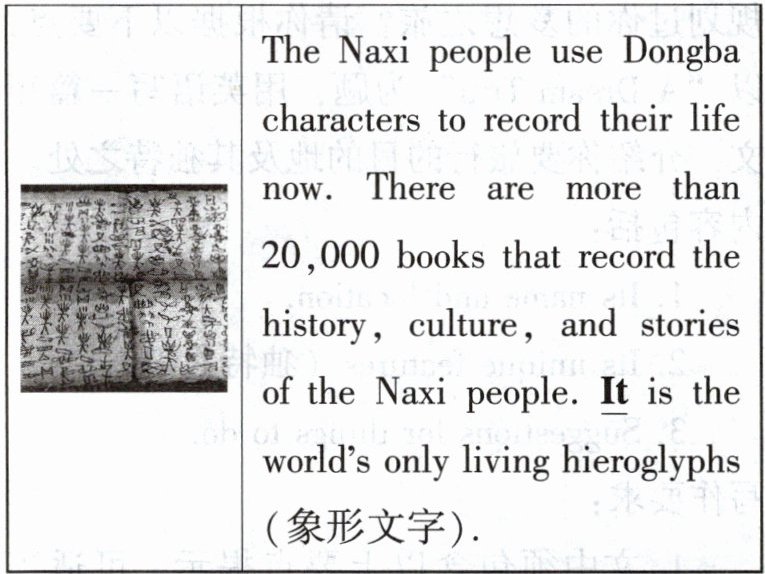
The Naxi people use Dongba characters to record their life now. There are more than 20,000 books that record the history, culture, and stories of the Naxi people. It is the world’s only living hieroglyphs (象形文字).
根据材料内容选择最佳答案。
(
A. This month.
B. Last month.
C. This weekend.
D. Last weekend.
(
A. About 300.
B. About 2,000.
C. About 3,000.
D. About 20,000.
(
A. The old town.
B. Dongba culture.
C. Dongba character.
D. The history.
(
A. Lijiang City covers an area of 7.3 square kilometers.
B. People build houses along the bridges in the town.
C. Naxi people are still using Dongba characters now.
D. Meimei plans to go to the Old Town of Lijiang again.
(
A. To ask her friends to visit the old town.
B. To record her journey in the town.
C. To sell the tickets of the old town online.
D. To finish her homework of the weekend.
A
Meimei went to the Old Town of Lijiang last weekend. Here is her travel diary.
The Old Town of Lijiang lies in the northwest of Lijiang City. The old town covers an area of 7.3 square kilometers. The town is famous for its beautiful landscapes, old buildings and Dongba culture. There are no walls around the town, but three mountains.
Water is everywhere in the town. Many small rivers run through the streets. There are about 300 bridges in the town. These bridges, ancient buildings and old trees make up a beautiful view of nature.
People there build houses with stones and wood. These houses have the features of many ethnic groups (民族), such as the Han, Naxi, Bai, and Yi. Every house in the old town is along a small river.
The Naxi people use Dongba characters to record their life now. There are more than 20,000 books that record the history, culture, and stories of the Naxi people. It is the world’s only living hieroglyphs (象形文字).
根据材料内容选择最佳答案。
(
D
)1. When did Meimei go to the Old Town of Lijiang?A. This month.
B. Last month.
C. This weekend.
D. Last weekend.
(
A
)2. How many bridges are there in the town?A. About 300.
B. About 2,000.
C. About 3,000.
D. About 20,000.
(
C
)3. What does the underlined word “It” refer to?A. The old town.
B. Dongba culture.
C. Dongba character.
D. The history.
(
C
)4. Which of the following is TRUE according to the text?A. Lijiang City covers an area of 7.3 square kilometers.
B. People build houses along the bridges in the town.
C. Naxi people are still using Dongba characters now.
D. Meimei plans to go to the Old Town of Lijiang again.
(
B
)5. What is Meimei’s purpose in writing the dairy?A. To ask her friends to visit the old town.
B. To record her journey in the town.
C. To sell the tickets of the old town online.
D. To finish her homework of the weekend.
答案
1. D 由材料第一句可知,梅梅上周去了丽江古城。
2. A 由表格第二栏第三句可知,丽江古城中大概有300座桥。
3. C 由表格第四栏可知,纳西人使用东巴文字来记录他们的生活,它被称之为世界唯一存活着的象形文字。
4. C 由表格第四栏第一句可知,纳西人现在使用东巴文字来记录他们的生活。
5. B 通读材料可知,这是梅梅的旅行日记,日记记录了她在丽江古城旅游时看到的景色和文字,故梅梅的写作目的是记录她的旅途。
2. A 由表格第二栏第三句可知,丽江古城中大概有300座桥。
3. C 由表格第四栏可知,纳西人使用东巴文字来记录他们的生活,它被称之为世界唯一存活着的象形文字。
4. C 由表格第四栏第一句可知,纳西人现在使用东巴文字来记录他们的生活。
5. B 通读材料可知,这是梅梅的旅行日记,日记记录了她在丽江古城旅游时看到的景色和文字,故梅梅的写作目的是记录她的旅途。
解析
【分析】
做英语阅读理解题时,需先阅读题干划出关键词,再带着关键词回到原文对应段落定位相关信息,将原文内容与选项逐一比对,排除错误选项后选出正确答案。本题5道题分别考查时间细节、数量细节、词义指代、细节判断、写作目的,均需精准定位原文信息作答。
【解析】
1. 题干关键词为“when”,定位原文第一句“Meimei went to the Old Town of Lijiang last weekend”,可知时间是上周末,对应选项D,故选D。
2. 题干关键词为“how many bridges”,定位原文第二栏句子“There are about 300 bridges in the town”,可知桥的数量约300座,对应选项A,故选A。
3. 题干问“It”的指代对象,定位原文第四栏前两句:纳西人现在用东巴文字记录生活,它是世界唯一存活着的象形文字,可知“It”指代“Dongba character”,对应选项C,故选C。
4. 逐一核对选项:A选项丽江城面积7.3平方公里,原文是古城面积,错误;B选项房子沿桥建,原文是沿河,错误;C选项纳西人现在用东巴文字,与原文第四栏第一句一致,正确;D选项梅梅计划再去,原文未提及,错误,故选C。
5. 原文是梅梅的旅行日记,内容为记录丽江古城的见闻,因此写作目的是记录旅途,对应选项B,故选B。
【答案】
1.D 2.A 3.C 4.C 5.B
【知识点】
英语阅读理解细节题、词义猜测题、主旨大意题
【点评】
本题为英语阅读理解基础题,考查学生快速定位原文信息、理解细节、猜测词义及推断写作目的的能力,只要仔细阅读原文,准确对应信息即可轻松作答。
【难度系数】
0.8
做英语阅读理解题时,需先阅读题干划出关键词,再带着关键词回到原文对应段落定位相关信息,将原文内容与选项逐一比对,排除错误选项后选出正确答案。本题5道题分别考查时间细节、数量细节、词义指代、细节判断、写作目的,均需精准定位原文信息作答。
【解析】
1. 题干关键词为“when”,定位原文第一句“Meimei went to the Old Town of Lijiang last weekend”,可知时间是上周末,对应选项D,故选D。
2. 题干关键词为“how many bridges”,定位原文第二栏句子“There are about 300 bridges in the town”,可知桥的数量约300座,对应选项A,故选A。
3. 题干问“It”的指代对象,定位原文第四栏前两句:纳西人现在用东巴文字记录生活,它是世界唯一存活着的象形文字,可知“It”指代“Dongba character”,对应选项C,故选C。
4. 逐一核对选项:A选项丽江城面积7.3平方公里,原文是古城面积,错误;B选项房子沿桥建,原文是沿河,错误;C选项纳西人现在用东巴文字,与原文第四栏第一句一致,正确;D选项梅梅计划再去,原文未提及,错误,故选C。
5. 原文是梅梅的旅行日记,内容为记录丽江古城的见闻,因此写作目的是记录旅途,对应选项B,故选B。
【答案】
1.D 2.A 3.C 4.C 5.B
【知识点】
英语阅读理解细节题、词义猜测题、主旨大意题
【点评】
本题为英语阅读理解基础题,考查学生快速定位原文信息、理解细节、猜测词义及推断写作目的的能力,只要仔细阅读原文,准确对应信息即可轻松作答。
【难度系数】
0.8
