

 登录
一、根据句意和汉语提示写单词,每空一词
1. Can you tell the
2. I
3. He
4. This
5. I haven't finished my homework
6. I
1. Can you tell the
difference
(差别) between these two pictures?2. I
truly
(确实地) hope we can keep our good friendship forever.3. He
painted
(画,绘) a picture for his dog last year.4. This
special
(特别的) gift comes from my best friend at school.5. I haven't finished my homework
yet
(还,尚).6. I
just
(正好,恰好) met your old friend at the school gate.答案
1. difference 2. truly 3. painted 4. special
5. yet 6. just
二、用括号中所给单词的适当形式填空
1. Everything is changing
2. But are these books
3. We use a
4. She
5. The subway is always
6. My little sister likes eating fresh
1. Everything is changing
quickly
(quick).2. But are these books
truly
(true) helpful?3. We use a
scientific
(science) way to study plants in class.4. She
covered
(cover) her face with her hands when she heard the bad news.5. The subway is always
crowded
(crowd) during the morning rush hour.6. My little sister likes eating fresh
strawberries
(strawberry) in summer.答案
1. quickly 2. truly 3. scientific 4. covered
5. crowded 6. strawberries
三、连词成句
1. face, my, sometimes, I, looking at, secretly, felt, people (, .)
2. studied, looking, she, of, my, face, away, instead (, .)
3. came, clouds, the, heart, filled, window, and, my, through (.)
1. face, my, sometimes, I, looking at, secretly, felt, people (, .)
Sometimes, I felt people secretly looking at my face.
2. studied, looking, she, of, my, face, away, instead (, .)
Instead of looking away, she studied my face.
3. came, clouds, the, heart, filled, window, and, my, through (.)
Clouds came through the window and filled my heart.
答案
1. Sometimes, I felt people secretly looking at my face.
2. Instead of looking away, she studied my face.
3. Clouds came through the window and filled my heart.
四、阅读理解
①It's always easier to say "Yes" because most of us want to please other people. Somebody asks you to go to a party but you have tests the next day, or to help them although you are busy at the moment, or to join the activities you have no interest in at all! Even though your heart is crying NO, you find the word "Yes" coming out of your mouth. However, it usually results in anger—not only for the person who asked you, but also for yourself for not being strong enough.
② Lisa Messenger, the Collective Hub CEO, said in her first few years of business, many people asked her to talk over a coffee. Actually, she usually ended up having 20 coffee meetings a week and that stopped her from doing business because she didn't have time to do her own work.
③Messenger finally learnt to say no like "No, I'm sorry, but I don't have time." She believes if you say "Yes", you will regret later. Or your heart will be filled with guilt, fear or anger because you feel bad for agreeing to do something you never want to. So you need to be brave enough to say "No" when you're asked at first.
④Janine Garner, CEO of The LBD Group, believes we need to get very clear about our goals. Unless we work towards our goals, nobody else will care about our time. Garner said, "We may end up saying 'Yes' because we feel sorry for somebody who needs us. But we end up having that awful feeling in our heart. You can only achieve the best of you by stopping doing the things that take up your time and don't add anything towards your goals. Take a good look at the time spent on others, which you really should spend on yourself."
( )1. How does the writer begin the text?
A. By telling a story.
B. By giving examples.
C. By making a survey.
D. By asking questions.
(
A. Offering help is the key to making friends.
B. Helping others may make you successful.
C. You'd better say "No" bravely if necessary.
D. People who need us will care about our time.
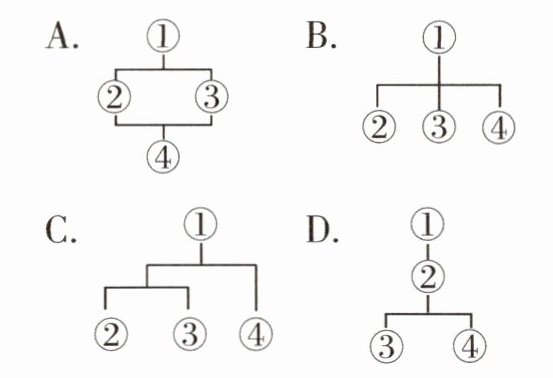
(
①It's always easier to say "Yes" because most of us want to please other people. Somebody asks you to go to a party but you have tests the next day, or to help them although you are busy at the moment, or to join the activities you have no interest in at all! Even though your heart is crying NO, you find the word "Yes" coming out of your mouth. However, it usually results in anger—not only for the person who asked you, but also for yourself for not being strong enough.
② Lisa Messenger, the Collective Hub CEO, said in her first few years of business, many people asked her to talk over a coffee. Actually, she usually ended up having 20 coffee meetings a week and that stopped her from doing business because she didn't have time to do her own work.
③Messenger finally learnt to say no like "No, I'm sorry, but I don't have time." She believes if you say "Yes", you will regret later. Or your heart will be filled with guilt, fear or anger because you feel bad for agreeing to do something you never want to. So you need to be brave enough to say "No" when you're asked at first.
④Janine Garner, CEO of The LBD Group, believes we need to get very clear about our goals. Unless we work towards our goals, nobody else will care about our time. Garner said, "We may end up saying 'Yes' because we feel sorry for somebody who needs us. But we end up having that awful feeling in our heart. You can only achieve the best of you by stopping doing the things that take up your time and don't add anything towards your goals. Take a good look at the time spent on others, which you really should spend on yourself."
( )1. How does the writer begin the text?
A. By telling a story.
B. By giving examples.
C. By making a survey.
D. By asking questions.
(
C
)2. Which opinion would Janine Garner probably agree with?A. Offering help is the key to making friends.
B. Helping others may make you successful.
C. You'd better say "No" bravely if necessary.
D. People who need us will care about our time.
(
C
)3. What's the structure of the passage?答案
1. B 2. C 3. C
