

 登录
Ⅳ. Look, read and write.(看图片,回答问题。)
1. What should we do to save water?
We should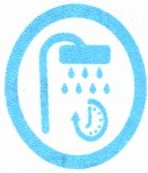
2. How do you save energy?
We can bring
3. How do you save energy?
We can recycle
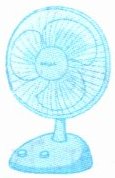
4. How can you use air conditioners less?
1. What should we do to save water?
We should
take quick showers
. 2. How do you save energy?
We can bring
our own bags to shops and markets
. 3. How do you save energy?
We can recycle
old clothes, bottles and boxes
. 4. How can you use air conditioners less?
We can use fans.
. 答案
1. take quick showers
2. our own bags to shops and markets
3. old clothes, bottles and boxes
4. We can use fans.
解析
【分析】本题为环保主题的英语看图填空题,需结合问题语境、图片提示及日常环保常识填写合适的短语或句子。第1题询问节水方法,对应节水的常用做法;第2题询问节能方式,对应减少一次性用品使用的环保做法;第3题询问可回收物品,对应常见可回收物;第4题询问少用空调的方法,对应替代电器的做法。
【解析】1. 针对节水问题,结合节约水资源的常见有效措施,填写take quick showers(快速淋浴是节水的常用方式);2. 针对节能的方式,为减少一次性塑料袋的使用,可自带购物袋,故填写our own bags to shops and markets;3. 针对回收物品,常见可回收物包括旧衣物、瓶子、盒子等,故填写old clothes, bottles and boxes;4. 针对少用空调的方法,可用风扇替代空调实现节能,故填写We can use fans。
【答案】1. take quick showers
2. our own bags to shops and markets
3. old clothes, bottles and boxes
4. We can use fans
【知识点】日常英语短语、环保话题应用
【点评】本题结合环保主题,考查学生的日常英语表达能力与基础环保常识,需结合图片提示作答,贴近生活实际,难度适中。
【难度系数】0.5
Ⅴ. Read and choose. (读一读,选择合适的选项补全对话。)
A. What should we do?
B. We can walk or ride bikes.
C. How can we save energy?
D. Small changes make a big difference.
E. We should use LED lighting at home.
John: Hello, Zhang Peng. Mother Earth is running out of resources!
Zhang Peng: 1.
John: We should save energy.
Zhang Peng: 2.
John: We can use green energy.
Zhang Peng: How can we go to school in a green way?
John: 3.
Zhang Peng: What about at home?
John: 4.
Zhang Peng: I agree. 5.
A. What should we do?
B. We can walk or ride bikes.
C. How can we save energy?
D. Small changes make a big difference.
E. We should use LED lighting at home.
John: Hello, Zhang Peng. Mother Earth is running out of resources!
Zhang Peng: 1.
A
John: We should save energy.
Zhang Peng: 2.
C
John: We can use green energy.
Zhang Peng: How can we go to school in a green way?
John: 3.
B
Zhang Peng: What about at home?
John: 4.
E
Zhang Peng: I agree. 5.
D
答案
1—5 A C B E D
解析
【分析】首先通读对话,明确对话围绕节约能源、绿色生活展开。解题时需根据上下文的问答逻辑匹配选项:第1空是对“地球资源耗尽”的回应,询问该做什么;第2空承接“要节能”,询问节能的方式;第3空对应“绿色上学方式”的提问;第4空对应“家里的做法”的提问;第5空是对话结尾的总结句。
【解析】步骤1:分析第1空:John提出地球资源耗尽,Zhang Peng询问“我们该做什么?”,对应选项A,故1选A;步骤2:分析第2空:John回答要节约能源,Zhang Peng接着询问“如何节能”,对应选项C,故2选C;步骤3:分析第3空:Zhang Peng问绿色上学的方式,对应选项B(步行或骑车),故3选B;步骤4:分析第4空:Zhang Peng问家里的节能做法,对应选项E(使用LED灯),故4选E;步骤5:分析第5空:对话结尾需要总结,对应选项D(小改变有大影响),故5选D。
【答案】1—5 A C B E D
【知识点】英语情景交际、补全对话
【点评】本题为情景交际类补全对话题,需结合上下文的问答逻辑匹配选项,考察学生日常话题的理解与运用能力,难度适中。
【难度系数】0.6
