

 登录
三、补全对话
(Jenny and David are talking about good memory skills and ways to be excellent learners. )
Jenny: Hi, David! You have a very good memory and learn things fast. 1.
David: Of course. I usually use some useful methods to improve my memory.
Jenny: Sounds great. 2.
David: I usually retell knowledge and connect new words with vivid pictures.
Jenny: I always forget what I have learnt easily. 3.
David: You should review what you've learnt in time and keep knowledge in mind.
Jenny: Should I pay attention to my emotion while studying?
David: 4.
Jenny: Thanks for your advice. I'll change my bad learning habits from now on.
David: 5.
(Jenny and David are talking about good memory skills and ways to be excellent learners. )
Jenny: Hi, David! You have a very good memory and learn things fast. 1.
Can you share some good memory skills with me
?David: Of course. I usually use some useful methods to improve my memory.
Jenny: Sounds great. 2.
What special methods do you use to improve your memory
?David: I usually retell knowledge and connect new words with vivid pictures.
Jenny: I always forget what I have learnt easily. 3.
What should I do to improve my memory
?David: You should review what you've learnt in time and keep knowledge in mind.
Jenny: Should I pay attention to my emotion while studying?
David: 4.
Yes, it's very important/Sure, you definitely should
. Good moods help us memorize things much better.Jenny: Thanks for your advice. I'll change my bad learning habits from now on.
David: 5.
Keep trying
. You will become an excellent learner soon.答案
1. Can you share some good memory skills with me
2. What special methods do you use to improve your memory
3. What should I do to improve my memory
4. Yes, it's very important/Sure, you definitely should
5. Keep trying
解析
【分析】
这是一道英语补全对话题,解题思路为:先通读对话明确主题是“提升记忆力的方法与学习建议”,再结合上下句的问答逻辑、语境推导空缺内容,确保对话连贯合理。每空需匹配符合日常交际的表达,贴合对话场景。
【解析】
1. 上文Jenny夸赞David记忆力好,下文David提到用方法提升记忆力,此处Jenny应请求David分享记忆技巧,对应答案“Can you share some good memory skills with me”;
2. 下文David说明具体记忆方法,此处Jenny询问David用什么特殊方法提升记忆力,对应答案“What special methods do you use to improve your memory”;
3. 上文Jenny说自己易忘知识,下文David给出建议,此处Jenny询问自己该做什么提升记忆力,对应答案“What should I do to improve my memory”;
4. 上文Jenny问是否要注意学习情绪,下文David提到好心情有助记忆,此处作肯定回答,对应答案“Yes, it's very important/Sure, you definitely should”;
5. 上文Jenny说要改坏习惯,此处David鼓励Jenny,对应答案“Keep trying”。
【答案】
1. Can you share some good memory skills with me
2. What special methods do you use to improve your memory
3. What should I do to improve my memory
4. Yes, it's very important/Sure, you definitely should
5. Keep trying
【知识点】
英语情景对话补全、日常交际用语
【点评】
本题围绕“提升记忆力的方法”展开,考查日常交际用语的运用,需结合上下文推导内容,贴近学生学习场景,难度适中。
【难度系数】
0.6
四、阅读理解
You may use your phone to record some perfect moments in your life. But before you do this, here's a surprising finding that photo-
takers need to know: Taking photos is not the perfect form of memory-retention (记忆储存) as you think. "In fact, taking too many pictures could harm the brain's ability to keep memories," says Elizabeth Loftus, a science professor at the University of California. So you may get the photos but kind of lose memories.
It works in two ways. Loftus explains: We either forget the duty of remembering moments when we take pictures of them, or we're so distracted (注意力分散的) by the process of taking a photo that we miss the moment. For example, if you write down someone's phone number, you're less likely to remember it by heart because your brain tells you there's just no need. That's OK until that piece of paper goes missing.
But photo-takers don't need to feel down. Here are some tips on how to make taking photos help, without harming your memories.
Have someone else take the photos. Ask a friend or a family member to take photos for you at important events so you can fully enjoy the activity.
Pay more attention to the details. If you pay attention to the details of a scene before taking a photo, that process can help keep memories.
Look at your photos from time to time. Photos are a useful tool for memory keeping only if we spend time looking through photos, but not everyone can do that.
1. How can photo-taking influence people?
A. People are easily distracted.
B. It harms people's brains seriously.
C. People can remember telephone numbers well.
D. People can remember important moments well.
2. How does the writer support his opinion in the second paragraph?
A. By giving an example.
B. By listing numbers.
C. By telling the differences.
D. By asking a question.
3. The writer proposes (提出)
A. 2
B. 3
C. 4
D. 5
4. What is the writer's attitude towards taking photos?
A. The writer is against it.
B. The writer never does that.
C. The writer often takes photos.
D. The writer wants to make it helpful.
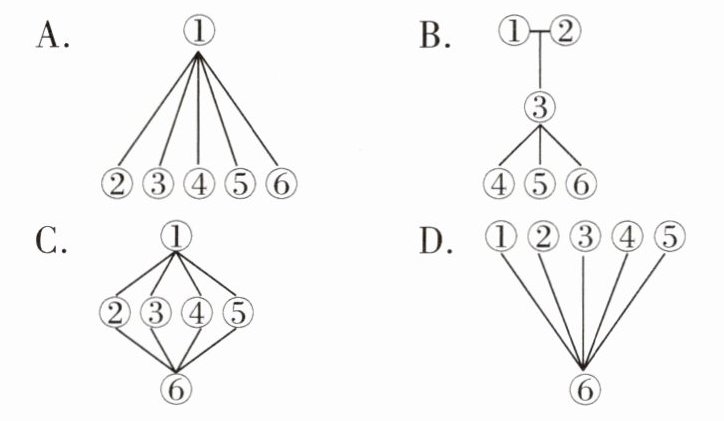
5. Which of the following shows the structure of the text?
You may use your phone to record some perfect moments in your life. But before you do this, here's a surprising finding that photo-
takers need to know: Taking photos is not the perfect form of memory-retention (记忆储存) as you think. "In fact, taking too many pictures could harm the brain's ability to keep memories," says Elizabeth Loftus, a science professor at the University of California. So you may get the photos but kind of lose memories.
It works in two ways. Loftus explains: We either forget the duty of remembering moments when we take pictures of them, or we're so distracted (注意力分散的) by the process of taking a photo that we miss the moment. For example, if you write down someone's phone number, you're less likely to remember it by heart because your brain tells you there's just no need. That's OK until that piece of paper goes missing.
But photo-takers don't need to feel down. Here are some tips on how to make taking photos help, without harming your memories.
Have someone else take the photos. Ask a friend or a family member to take photos for you at important events so you can fully enjoy the activity.
Pay more attention to the details. If you pay attention to the details of a scene before taking a photo, that process can help keep memories.
Look at your photos from time to time. Photos are a useful tool for memory keeping only if we spend time looking through photos, but not everyone can do that.
1. How can photo-taking influence people?
A. People are easily distracted.
B. It harms people's brains seriously.
C. People can remember telephone numbers well.
D. People can remember important moments well.
2. How does the writer support his opinion in the second paragraph?
A. By giving an example.
B. By listing numbers.
C. By telling the differences.
D. By asking a question.
3. The writer proposes (提出)
B
ways to make taking photos help keep memories.A. 2
B. 3
C. 4
D. 5
4. What is the writer's attitude towards taking photos?
A. The writer is against it.
B. The writer never does that.
C. The writer often takes photos.
D. The writer wants to make it helpful.
5. Which of the following shows the structure of the text?
答案
1. A 2. A 3. B 4. D 5. B
解析
【分析】本题为英语阅读理解题,需先通读全文理解主旨,再针对每道题的考点定位原文对应内容:第1题考查拍照对人的影响,需定位原文相关表述;第2题考查第二段的论证方法,需分析段落写作手法;第3题考查帮助记忆的方法数量,需查找文中建议;第4题考查作者态度,需结合作者表述判断;第5题考查文章结构,需梳理段落间逻辑关系。
【解析】
1. 第1题:根据第一段“taking too many pictures could harm the brain's ability to keep memories”及第二段“we're so distracted by the process of taking a photo that we miss the moment”,可知拍照会让人分心,A选项正确;B选项“严重损害大脑”表述不准确,原文是损害记忆能力;C选项与原文“if you write down someone's phone number, you're less likely to remember it by heart”相悖;D选项不符合文意,故答案为A。
2. 第2题:第二段通过举“记电话号码时写下来就不容易记住”的例子论证观点,采用举例子的方法,A选项正确,B(列数字)、C(作比较)、D(提问)均不符合,故答案为A。
3. 第3题:文中明确给出帮助记忆的方法:①让他人拍照;②关注细节;③时常看照片,共3种,B选项正确,故答案为B。
4. 第4题:作者提出“Here are some tips on how to make taking photos help, without harming your memories”,表明希望拍照能对记忆有帮助,D选项正确;A(反对)、B(从不拍照)、C(经常拍照)均不符合,故答案为D。
5. 第5题:文章结构为:第一段提出拍照可能损害记忆的观点;第二段解释原因;第三段转折说明有解决方法;第四、五、六段介绍具体方法,对应选项B的结构,故答案为B。
【答案】1.A 2.A 3.B 4.D 5.B
【知识点】阅读理解细节理解、文章结构分析、作者态度判断
【点评】本题考查英语阅读理解的综合解题能力,涵盖细节查找、论证方法分析、文章结构梳理及作者态度判断,需学生具备准确提取原文信息的能力,整体难度适中。
【难度系数】0.6
