

 登录
登录
The ocean is beautiful and important, but in many areas of the ocean, the water is dirty and the animals and plants are in danger. In 2009, Sylvia Earle, an ocean scientist, started Mission Blue (蓝色任务). Many scientists and volunteers joined it.
Mission Blue divides the polluted ocean areas into smaller “hope spots” with rules to keep them clean. In some spots, people can’t fish or use boats.
Mission Blue teaches people about “hope spots” and looks for ways to help the waters. Scientists often go into the ocean to study plants and animals. They take beautiful pictures underwater and shared pictures with others. By doing this, they hope people will become interested in protecting the ocean.
On land, Mission Blue also works hard. Its members teach people about the ocean in many ways. Some members write books about special places in the ocean. Others talk about Mission Blue’s goals at special events.
At a Japan event, Mission Blue hosted a beach party for kids, where the kids enjoyed snacks, games, and the water play. They learned about the ocean and helped clean the beach.
Mission Blue believes people can work together to save Earth’s waters.
11. What do you know about Mission Blue from Paragraph 1?
① When was it started?
② Who started it?
③ Why was it started?
④ How many members does it have?
A. ①②③
B. ①②④
C. ①③④
D. ②③④
12. What are “hope spots” according to Mission Blue?
A. Areas where people can fish freely.
B. Special events held by Mission Blue.
C. Large ocean areas with plenty of sea animals.
D. Smaller polluted ocean areas with cleaning rules.
13. The underlined word “this” in Paragraph 3 refers to “
A. teaching people to fish
B. dividing the ocean into smaller areas
C. getting information about plants and animals
D. sharing beautiful pictures of the underwater world
14. What’s the structure of the passage? (①= Paragraph 1, ②= Paragraph 2, ...)
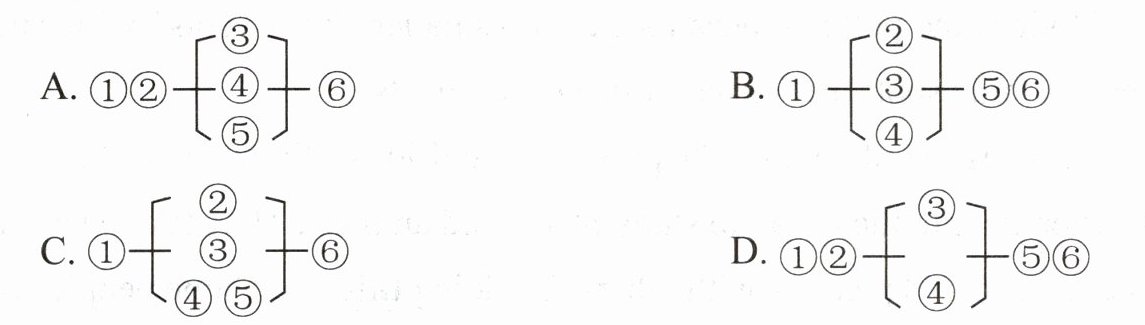
15. What’s the best title for the passage?
A. What’re “hope spots” about?
B. How does Mission Blue work?
C. What did we do to save the sea?
D. Why did scientists start Mission Blue?
Mission Blue divides the polluted ocean areas into smaller “hope spots” with rules to keep them clean. In some spots, people can’t fish or use boats.
Mission Blue teaches people about “hope spots” and looks for ways to help the waters. Scientists often go into the ocean to study plants and animals. They take beautiful pictures underwater and shared pictures with others. By doing this, they hope people will become interested in protecting the ocean.
On land, Mission Blue also works hard. Its members teach people about the ocean in many ways. Some members write books about special places in the ocean. Others talk about Mission Blue’s goals at special events.
At a Japan event, Mission Blue hosted a beach party for kids, where the kids enjoyed snacks, games, and the water play. They learned about the ocean and helped clean the beach.
Mission Blue believes people can work together to save Earth’s waters.
11. What do you know about Mission Blue from Paragraph 1?
① When was it started?
② Who started it?
③ Why was it started?
④ How many members does it have?
A. ①②③
B. ①②④
C. ①③④
D. ②③④
12. What are “hope spots” according to Mission Blue?
A. Areas where people can fish freely.
B. Special events held by Mission Blue.
C. Large ocean areas with plenty of sea animals.
D. Smaller polluted ocean areas with cleaning rules.
13. The underlined word “this” in Paragraph 3 refers to “
D
”.A. teaching people to fish
B. dividing the ocean into smaller areas
C. getting information about plants and animals
D. sharing beautiful pictures of the underwater world
14. What’s the structure of the passage? (①= Paragraph 1, ②= Paragraph 2, ...)
15. What’s the best title for the passage?
A. What’re “hope spots” about?
B. How does Mission Blue work?
C. What did we do to save the sea?
D. Why did scientists start Mission Blue?
答案
11.A 12.D 13.D 14.C 15.B
解析
【分析】
本题为英语阅读理解题,需结合原文段落信息逐一分析各小题:
1. 第11题:定位第一段,查找关于Mission Blue的启动时间、发起人、原因及成员数,排除未提及的内容;
2. 第12题:定位第二段,找到“hope spots”的定义描述,匹配选项;
3. 第13题:定位第三段,分析代词“this”指代的前文动作,对应选项;
4. 第14题:梳理全文段落结构,判断各段落的逻辑关系,匹配给出的结构选项;
5. 第15题:总结全文核心内容,提炼最贴合的标题。
【解析】
11. 定位原文第一段:“In 2009, Sylvia Earle... started Mission Blue”可知启动时间(①)、发起人(②);“the water is dirty and the animals and plants are in danger”说明启动原因(③),未提及成员数(④),故①②③正确,选A。
12. 定位原文第二段第一句:“Mission Blue divides the polluted ocean areas into smaller “hope spots” with rules to keep them clean”,对应选项D(被污染的小海域,有清洁规则),A(自由捕鱼)、B(特殊活动)、C(大量海洋动物的大区域)均不符合,选D。
13. 定位第三段:“They take beautiful pictures underwater and shared pictures with others. By doing this...”,“this”指代前文“分享水下美丽图片”的动作,对应选项D,选D。
14. 梳理文章结构:①段引入Mission Blue,②-④段分述其工作内容,⑤段举日本活动例子,⑥段总结;对应选项C的结构(①总起,中间分述,⑥总结),选C。
15. 全文围绕Mission Blue的成立、工作方式、活动等展开,核心是介绍其运作方式,选项A仅涉及hope spots,C未突出Mission Blue,D仅讲启动原因,故最佳标题为B,选B。
【答案】
11.A 12.D 13.D 14.C 15.B
【知识点】
英语阅读理解、细节理解、主旨大意
【点评】
本题考查英语阅读理解的核心考点,涵盖细节查找、代词指代、文章结构分析、主旨大意提炼,需学生精准定位原文信息,理清文章逻辑,难度适中。
【难度系数】
0.6
本题为英语阅读理解题,需结合原文段落信息逐一分析各小题:
1. 第11题:定位第一段,查找关于Mission Blue的启动时间、发起人、原因及成员数,排除未提及的内容;
2. 第12题:定位第二段,找到“hope spots”的定义描述,匹配选项;
3. 第13题:定位第三段,分析代词“this”指代的前文动作,对应选项;
4. 第14题:梳理全文段落结构,判断各段落的逻辑关系,匹配给出的结构选项;
5. 第15题:总结全文核心内容,提炼最贴合的标题。
【解析】
11. 定位原文第一段:“In 2009, Sylvia Earle... started Mission Blue”可知启动时间(①)、发起人(②);“the water is dirty and the animals and plants are in danger”说明启动原因(③),未提及成员数(④),故①②③正确,选A。
12. 定位原文第二段第一句:“Mission Blue divides the polluted ocean areas into smaller “hope spots” with rules to keep them clean”,对应选项D(被污染的小海域,有清洁规则),A(自由捕鱼)、B(特殊活动)、C(大量海洋动物的大区域)均不符合,选D。
13. 定位第三段:“They take beautiful pictures underwater and shared pictures with others. By doing this...”,“this”指代前文“分享水下美丽图片”的动作,对应选项D,选D。
14. 梳理文章结构:①段引入Mission Blue,②-④段分述其工作内容,⑤段举日本活动例子,⑥段总结;对应选项C的结构(①总起,中间分述,⑥总结),选C。
15. 全文围绕Mission Blue的成立、工作方式、活动等展开,核心是介绍其运作方式,选项A仅涉及hope spots,C未突出Mission Blue,D仅讲启动原因,故最佳标题为B,选B。
【答案】
11.A 12.D 13.D 14.C 15.B
【知识点】
英语阅读理解、细节理解、主旨大意
【点评】
本题考查英语阅读理解的核心考点,涵盖细节查找、代词指代、文章结构分析、主旨大意提炼,需学生精准定位原文信息,理清文章逻辑,难度适中。
【难度系数】
0.6
