

 登录
登录
三、根据课文内容填空。
Next week is Chinese New Year. Anna's is going to celebrate(庆祝) it in Hong Kong,China. They are going to buy some new and food tomorrow. Chinese New Year's Eve,they're going to with their relatives(亲戚). After that,they're going to buy some flowers. On Chinese New Year's Day,Anna's parents are going to her red packets and watch a with her. On the 2nd day of Chinese New Year,they are going to watch in the evening. Anna very excited.
Next week is Chinese New Year. Anna's is going to celebrate(庆祝) it in Hong Kong,China. They are going to buy some new and food tomorrow. Chinese New Year's Eve,they're going to with their relatives(亲戚). After that,they're going to buy some flowers. On Chinese New Year's Day,Anna's parents are going to her red packets and watch a with her. On the 2nd day of Chinese New Year,they are going to watch in the evening. Anna very excited.
答案
family; clothes; On; have; dinner; give; lion; dance; fireworks; is
解析
根据译林版英语六年级上册第一单元课文内容及春节相关习俗语境,依次填写对应词汇:
1. 第一空指代Anna的家人,填family;
2. 春节有购置新衣物的习俗,填clothes;
3. 具体节日的夜晚前用介词On;
4、5. 除夕和亲戚共进年夜饭,填have和dinner;
6. 春节父母会给孩子发红包,填give;
7、8. 春节传统活动舞狮,填lion和dance;
9. 初二晚上的活动是看烟花,填fireworks;
10. Anna是第三人称单数主语,搭配be动词is。
1. 第一空指代Anna的家人,填family;
2. 春节有购置新衣物的习俗,填clothes;
3. 具体节日的夜晚前用介词On;
4、5. 除夕和亲戚共进年夜饭,填have和dinner;
6. 春节父母会给孩子发红包,填give;
7、8. 春节传统活动舞狮,填lion和dance;
9. 初二晚上的活动是看烟花,填fireworks;
10. Anna是第三人称单数主语,搭配be动词is。
四、根据上下文及图片提示,完成对话。
A:How are you,Lily?
B:I excited.
A:Why?
B: Chinese New Year is .
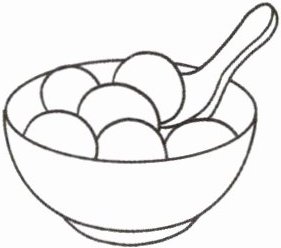
A:What you going to before Chinese New Year?
B:I buy some . It's .
A:How are you,Lily?
B:I excited.
A:Why?
B: Chinese New Year is .
A:What you going to before Chinese New Year?
B:I buy some . It's .
答案
am; Because; coming; are; do; am; going; to; tangyuan; delicious
解析
1. 第一空:主语为I,搭配be动词am,构成“be excited”表达兴奋的情绪,符合语境。
2. 第二、三空:用Because回答Why的提问;“is coming”用现在进行时表将来,说明春节即将到来。
3. 第四、五空:使用“be going to do”的特殊疑问句结构,主语you对应be动词are,to后接动词原形do,用于询问春节前的计划。
4. 第六、七、八空:回答用“be going to”的将来时结构,主语I对应am,依次填am, going, to;第九空根据插图(汤圆)填tangyuan;第十空用delicious形容汤圆美味,符合语境。
2. 第二、三空:用Because回答Why的提问;“is coming”用现在进行时表将来,说明春节即将到来。
3. 第四、五空:使用“be going to do”的特殊疑问句结构,主语you对应be动词are,to后接动词原形do,用于询问春节前的计划。
4. 第六、七、八空:回答用“be going to”的将来时结构,主语I对应am,依次填am, going, to;第九空根据插图(汤圆)填tangyuan;第十空用delicious形容汤圆美味,符合语境。
一、听录音,判断下列图片与所听内容是否相符,相符的写“T”,不相符的写“F”。(听两遍)

1. ()
2. ()
3. ()
4. ()
5. ()
1. ()
2. ()
3. ()
4. ()
5. ()
答案
1. T;2. T;3. T;4. T;5. T
解析
1. 图1是家庭聚餐场景,对应春节吃年夜饭的活动,与该单元春节主题的相关听力内容相符,填T;
2. 图2是制作汤圆的场景,对应春节制作汤圆的习俗,与相关听力内容相符,填T;
3. 图3是观赏烟花的场景,对应春节看烟花的活动,与相关听力内容相符,填T;
4. 图4是舞狮表演的场景,对应春节舞狮的习俗,与相关听力内容相符,填T;
5. 图5是购买年花的场景,对应春节买花的习俗,与相关听力内容相符,填T。
2. 图2是制作汤圆的场景,对应春节制作汤圆的习俗,与相关听力内容相符,填T;
3. 图3是观赏烟花的场景,对应春节看烟花的活动,与相关听力内容相符,填T;
4. 图4是舞狮表演的场景,对应春节舞狮的习俗,与相关听力内容相符,填T;
5. 图5是购买年花的场景,对应春节买花的习俗,与相关听力内容相符,填T。
