

 登录
登录
E(2024·江苏徐州邳州二模)
Have you ever watched a silent film and tried to guess what the characters were saying? Body language, like facial expressions, is the mirror of a person's feelings: It helps us communicate without saying much at all.
Sometimes we can share the common sense from culture to culture. Turning red-faced shows one's anger, shock or excitement. The wide eyes with a half - opened mouth mean surprise. Also, some other body movements can express the same meanings in different cultures. For example, being back in one's seat and yawning at a talk show people are not interested, and looking at the watch from time to time in a conversation means people have something to do in a hurry.
However, not all body language can show the same meanings in different cultures. What holds true for Indians may not be the same in Africa. First of all, in some cultures, people respect and encourage the direct eye contact. In English, there is a saying, "Don't trust anyone who won't look at you in the eye. " In many countries, direct eye contact between two people is considered important. According to most Western cultures, if a person looks directly at you, it is a sign that the person is honest and sincere and even can be trusted. While many cultures believe that direct eye contact from a child to an adult is an act of disrespect.
The OK sign, which is commonly used in many cultures, also has different meanings across the cultures. It means agreement in North American culture. But to French, it means "zero" or "valueless", not "fine" or "OK". Touching is another example. At times, saying hello could turn into a disaster if one does not consider the use of touch in another culture. A general and accepted way of saying "Hello" in Western culture is a simple handshake. A great deal of importance has been placed on how one should shake hands.
So, the next time you decide to travel to another country, besides looking up places to visit, a quick search or a book can also guide you on how to use proper body language to better communicate with the local people, and avoid being impolite to them during your stay!
( )1. What does the underlined word "It" in Paragraph 1 mean?
A. A silent film.
B. The mirror.
C. Body language.
D. A person's feeling.
( )2. According to the passage, which one has the similar meaning from culture to culture?
A. Turning red - faced.
B. Direct eye contact.
C. The OK sign.
D. A simple handshake.
( )3. 新考法 Which picture shows the structure(结构) of the passage?
 ④
④ 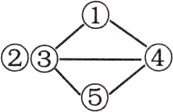
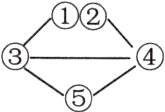
 ②
②
ABCD
( )4. Which of the following is the best title for the passage?
A. Body Language Is More Important
B. Body Language Helps You Go Travelling
C. Body Language Changes Among Cultures
D. Body Language Influences Communication
Have you ever watched a silent film and tried to guess what the characters were saying? Body language, like facial expressions, is the mirror of a person's feelings: It helps us communicate without saying much at all.
Sometimes we can share the common sense from culture to culture. Turning red-faced shows one's anger, shock or excitement. The wide eyes with a half - opened mouth mean surprise. Also, some other body movements can express the same meanings in different cultures. For example, being back in one's seat and yawning at a talk show people are not interested, and looking at the watch from time to time in a conversation means people have something to do in a hurry.
However, not all body language can show the same meanings in different cultures. What holds true for Indians may not be the same in Africa. First of all, in some cultures, people respect and encourage the direct eye contact. In English, there is a saying, "Don't trust anyone who won't look at you in the eye. " In many countries, direct eye contact between two people is considered important. According to most Western cultures, if a person looks directly at you, it is a sign that the person is honest and sincere and even can be trusted. While many cultures believe that direct eye contact from a child to an adult is an act of disrespect.
The OK sign, which is commonly used in many cultures, also has different meanings across the cultures. It means agreement in North American culture. But to French, it means "zero" or "valueless", not "fine" or "OK". Touching is another example. At times, saying hello could turn into a disaster if one does not consider the use of touch in another culture. A general and accepted way of saying "Hello" in Western culture is a simple handshake. A great deal of importance has been placed on how one should shake hands.
So, the next time you decide to travel to another country, besides looking up places to visit, a quick search or a book can also guide you on how to use proper body language to better communicate with the local people, and avoid being impolite to them during your stay!
( )1. What does the underlined word "It" in Paragraph 1 mean?
A. A silent film.
B. The mirror.
C. Body language.
D. A person's feeling.
( )2. According to the passage, which one has the similar meaning from culture to culture?
A. Turning red - faced.
B. Direct eye contact.
C. The OK sign.
D. A simple handshake.
( )3. 新考法 Which picture shows the structure(结构) of the passage?
④ ②ABCD
( )4. Which of the following is the best title for the passage?
A. Body Language Is More Important
B. Body Language Helps You Go Travelling
C. Body Language Changes Among Cultures
D. Body Language Influences Communication
答案
1. C 【点拨】根据“Body language, like facial expressions, is the mirror of a person’s feelings: It helps us communicate without saying much at all.”可知,肢体语言,就像面部表情一样,是一个人感情的镜子:它帮助我们不用说太多就能沟通。可见此处的“It”指代的应是肢体语言。故选 C。
2. A 【点拨】根据“Sometimes we can share the common sense from culture to culture. Turning red - faced shows one’s anger, shock or excitement.”可知,有时我们在文化与文化之间可以分享相同的感觉。脸红表示一个人的愤怒、震惊或兴奋。可见脸红在不同的文化中有着相同的含义。故选 A。
3. A 【点拨】通读全文可知,第一段讲述了肢体语言的功能;第二介绍了一些肢体动作在不同的文化中也可以表达相同的含义;三、四段讲述了不同肢体语言在各个国家的具体应用;最后一段教会我们出国旅游前多学习有关肢体语言方面的知识。结合选项,选项 A 结构符合。故选 A。
4. D 【点拨】通读全文可知,文章主要介绍了肢体语言对交流的影响。故选 D。
2. A 【点拨】根据“Sometimes we can share the common sense from culture to culture. Turning red - faced shows one’s anger, shock or excitement.”可知,有时我们在文化与文化之间可以分享相同的感觉。脸红表示一个人的愤怒、震惊或兴奋。可见脸红在不同的文化中有着相同的含义。故选 A。
3. A 【点拨】通读全文可知,第一段讲述了肢体语言的功能;第二介绍了一些肢体动作在不同的文化中也可以表达相同的含义;三、四段讲述了不同肢体语言在各个国家的具体应用;最后一段教会我们出国旅游前多学习有关肢体语言方面的知识。结合选项,选项 A 结构符合。故选 A。
4. D 【点拨】通读全文可知,文章主要介绍了肢体语言对交流的影响。故选 D。
