

 登录
登录
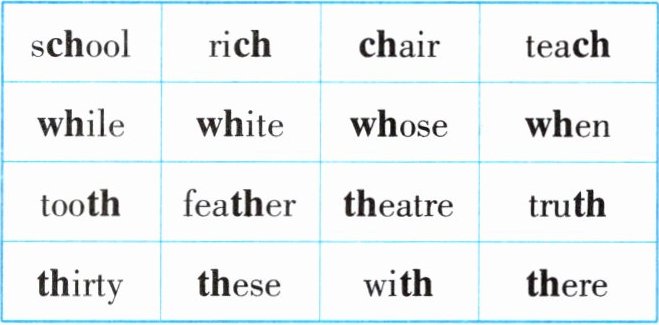
一、朗读下面的单词,在每一行中找出粗体部分读音不一样的单词,并将其圈出来。
答案
1. school
2. whose
3. feather
4. thirty
2. whose
3. feather
4. thirty
二、下面的对话中存在音的同化现象,请仿照示例将其圈出来。
Example:
— read the story of *The Emperor's New Clothes*?
—Yes, I did.
1. —What would you like, apple juice or orange juice?
—Orange juice, please.
2. —What did you do last weekend?
—I went for a picnic with my friends.
3. —It is very interesting. Don't you want to read it by yourself?
—Well, I can't wait to read it.
Example:
— read the story of *The Emperor's New Clothes*?
—Yes, I did.
1. —What would you like, apple juice or orange juice?
—Orange juice, please.
2. —What did you do last weekend?
—I went for a picnic with my friends.
3. —It is very interesting. Don't you want to read it by yourself?
—Well, I can't wait to read it.
答案
1. would you
2. did you
3. want to; can't wait
2. did you
3. want to; can't wait
三、根据汉语意思翻译下列句子,每空一词。
1. 她知道真相,但还是对她的朋友撒谎了。
She knew the truth, but still her friend.
2. 那两个兄弟假装做新衣服。
The two brothers pretended new clothes.
3. 这个小男孩害怕晚上出去。
The little boy go out at night.
4. 起初街上的人们为什么赞美皇帝的新衣服?
did the people in the street the emperor's new clothes ?
5. 我的父母决定晚饭后去散步。
My parents for a walk after dinner.
6. 他们去那儿只是为了挣钱。
They went there just to .
7. 说实话,我不喜欢那家商店的饮料。
To , I don't like the drinks in that shop.
1. 她知道真相,但还是对她的朋友撒谎了。
She knew the truth, but still her friend.
2. 那两个兄弟假装做新衣服。
The two brothers pretended new clothes.
3. 这个小男孩害怕晚上出去。
The little boy go out at night.
4. 起初街上的人们为什么赞美皇帝的新衣服?
did the people in the street the emperor's new clothes ?
5. 我的父母决定晚饭后去散步。
My parents for a walk after dinner.
6. 他们去那儿只是为了挣钱。
They went there just to .
7. 说实话,我不喜欢那家商店的饮料。
To , I don't like the drinks in that shop.
答案
1. told a lie to
2. to make
3. is afraid to
4. Why; praise; at first
5. decided to go
6. make money
7. tell the truth
2. to make
3. is afraid to
4. Why; praise; at first
5. decided to go
6. make money
7. tell the truth
解析
1. "撒谎"对应短语"tell a lie to sb",由knew可知用过去式told。
2. "假装做某事"是"pretend to do sth","做"用make。
3. "害怕做某事"是"be afraid to do sth",主语是第三人称单数,用is。
4. "为什么"用Why,"赞美"是praise,"起初"是at first。
5. "决定做某事"是"decide to do sth","去散步"是go for a walk。
6. "挣钱"是"make money",不定式后用动词原形。
7. "说实话"是固定短语"to tell the truth"。
2. "假装做某事"是"pretend to do sth","做"用make。
3. "害怕做某事"是"be afraid to do sth",主语是第三人称单数,用is。
4. "为什么"用Why,"赞美"是praise,"起初"是at first。
5. "决定做某事"是"decide to do sth","去散步"是go for a walk。
6. "挣钱"是"make money",不定式后用动词原形。
7. "说实话"是固定短语"to tell the truth"。
四、先通读短文,掌握其大意,然后从 A、B、C、D 四个选项中选出一个可以填入相应空白处的最佳答案。
Giuseppe was a smart frog (青蛙). He could talk for hours about the stars. He also 1 many things that others never heard of, so Giuseppe was 2 around the pond (池塘). He was so proud that he never asked for 3 or listened to others.
One day, he wanted to 4 in a quiet place, so he went into the forest to finish his book. After reading for two hours, Giuseppe felt tired. “I would like to get around,” he said. “I'd like to go deep into the forest and explore. Who knows 5 I will find along the way?” He started jumping 6, but half an hour later, he lost his 7.
Just then, a mouse 8 from behind a tree. “Hello, Giuseppe!” the mouse said. “You're quite 9 the pond. Do you want me to give you directions?” Giuseppe didn't want anyone to think that a frog as 10 as him would need help. “Oh no, I'm fine!” he told the mouse.
Soon, it got quite 11. Giuseppe heard a sound. It was an old cat. She was looking at him. “What's a little frog like you doing in the forest at this time of 12? Do you need help?” the cat asked. But Giuseppe still didn't want to say he got 13. “Oh no, I am looking at the stars!” he said as he jumped away.
Another thirty minutes passed. “How can I 14 my way home now?” Giuseppe thought. “If I was really smart, I would 15 to others!”
() 1. A. moved
B. wanted
C. forgot
D. knew
() 2. A. famous
B. excited
C. silly
D. lucky
() 3. A. money
B. help
C. food
D. job
() 4. A. speak
B. sing
C. read
D. write
() 5. A. how
B. when
C. what
D. why
() 6. A. exactly
B. easily
C. luckily
D. happily
() 7. A. way
B. book
C. time
D. home
() 8. A. bit through
B. stayed at
C. arrived in
D. came out
() 9. A. next to
B. close to
C. far from
D. across from
() 10. A. huge
B. smart
C. cute
D. friendly
() 11. A. noisy
B. dark
C. bad
D. cold
() 12. A. morning
B. afternoon
C. night
D. noon
() 13. A. lost
B. sorry
C. scared
D. tired
() 14. A. find
B. jump
C. see
D. meet
() 15. A. belong
B. listen
C. get
D. shout
Giuseppe was a smart frog (青蛙). He could talk for hours about the stars. He also 1 many things that others never heard of, so Giuseppe was 2 around the pond (池塘). He was so proud that he never asked for 3 or listened to others.
One day, he wanted to 4 in a quiet place, so he went into the forest to finish his book. After reading for two hours, Giuseppe felt tired. “I would like to get around,” he said. “I'd like to go deep into the forest and explore. Who knows 5 I will find along the way?” He started jumping 6, but half an hour later, he lost his 7.
Just then, a mouse 8 from behind a tree. “Hello, Giuseppe!” the mouse said. “You're quite 9 the pond. Do you want me to give you directions?” Giuseppe didn't want anyone to think that a frog as 10 as him would need help. “Oh no, I'm fine!” he told the mouse.
Soon, it got quite 11. Giuseppe heard a sound. It was an old cat. She was looking at him. “What's a little frog like you doing in the forest at this time of 12? Do you need help?” the cat asked. But Giuseppe still didn't want to say he got 13. “Oh no, I am looking at the stars!” he said as he jumped away.
Another thirty minutes passed. “How can I 14 my way home now?” Giuseppe thought. “If I was really smart, I would 15 to others!”
() 1. A. moved
B. wanted
C. forgot
D. knew
() 2. A. famous
B. excited
C. silly
D. lucky
() 3. A. money
B. help
C. food
D. job
() 4. A. speak
B. sing
C. read
D. write
() 5. A. how
B. when
C. what
D. why
() 6. A. exactly
B. easily
C. luckily
D. happily
() 7. A. way
B. book
C. time
D. home
() 8. A. bit through
B. stayed at
C. arrived in
D. came out
() 9. A. next to
B. close to
C. far from
D. across from
() 10. A. huge
B. smart
C. cute
D. friendly
() 11. A. noisy
B. dark
C. bad
D. cold
() 12. A. morning
B. afternoon
C. night
D. noon
() 13. A. lost
B. sorry
C. scared
D. tired
() 14. A. find
B. jump
C. see
D. meet
() 15. A. belong
B. listen
C. get
D. shout
答案
1. D
2. A
3. B
4. D
5. C
6. D
7. A
8. D
9. C
10. B
11. B
12. C
13. A
14. A
15. B
2. A
3. B
4. D
5. C
6. D
7. A
8. D
9. C
10. B
11. B
12. C
13. A
14. A
15. B
解析
1. D。根据前文“Giuseppe was a smart frog. He could talk for hours about the stars.”可知它很聪明,能谈论星星,所以这里应是知道很多别人没听过的东西,“knew”符合语境。
2. A。因为知道很多别人没听过的东西,所以在池塘周围应该是出名的,“famous”符合题意。
3. B。从后文它迷路后不寻求帮助可知,它很骄傲从不寻求帮助,“help”正确。
4. D。由“he went into the forest to finish his book”可知它是去森林写书,“write”符合。
5. C。这里表达想知道在路上会发现什么,“what”引导宾语从句,在从句中作宾语。
6. D。它想去探索,所以应该是开心地跳,“happily”符合心情。
7. A。从后文老鼠给它指路以及它找不到回家的路可知,半小时后它迷路了,“lose one's way”是固定短语。
8. D。老鼠从树后出现,“came out”表示出现。
9. C。老鼠说它离池塘远,“far from”符合语境。
10. B。它很聪明,所以老鼠说像它这么聪明的青蛙,“smart”合适。
11. B。从后文提到猫以及它看星星可知天黑了,“dark”正确。
12. C。天黑的时候是晚上,“night”符合。
13. A。它迷路了,“get lost”是固定短语。
14. A。它找不到回家的路,“find”表示找到。
15. B。它后悔没听别人的,“listen”符合,这里用“listen to others”表示听别人的话。
2. A。因为知道很多别人没听过的东西,所以在池塘周围应该是出名的,“famous”符合题意。
3. B。从后文它迷路后不寻求帮助可知,它很骄傲从不寻求帮助,“help”正确。
4. D。由“he went into the forest to finish his book”可知它是去森林写书,“write”符合。
5. C。这里表达想知道在路上会发现什么,“what”引导宾语从句,在从句中作宾语。
6. D。它想去探索,所以应该是开心地跳,“happily”符合心情。
7. A。从后文老鼠给它指路以及它找不到回家的路可知,半小时后它迷路了,“lose one's way”是固定短语。
8. D。老鼠从树后出现,“came out”表示出现。
9. C。老鼠说它离池塘远,“far from”符合语境。
10. B。它很聪明,所以老鼠说像它这么聪明的青蛙,“smart”合适。
11. B。从后文提到猫以及它看星星可知天黑了,“dark”正确。
12. C。天黑的时候是晚上,“night”符合。
13. A。它迷路了,“get lost”是固定短语。
14. A。它找不到回家的路,“find”表示找到。
15. B。它后悔没听别人的,“listen”符合,这里用“listen to others”表示听别人的话。
