

 登录
登录
1. 用所给单词的适当形式填空。
1. My uncle (go) fishing on Sundays.
2. Did you (eat) fresh food last night?
3. Tom (take) many pictures of flowers last weekend.
4. What John (do) the day before yesterday?
5. They often (clean) the rooms on Sundays.
1. My uncle (go) fishing on Sundays.
2. Did you (eat) fresh food last night?
3. Tom (take) many pictures of flowers last weekend.
4. What John (do) the day before yesterday?
5. They often (clean) the rooms on Sundays.
答案
1. goes 2. eat 3. took 4. did; do 5. clean
解析
1. 句中"on Sundays"表示习惯性动作,用一般现在时,主语"My uncle"是第三人称单数,动词go用第三人称单数形式goes。
2. 句首有助动词Did,后面动词用原形eat。
3. 句中"last weekend"表示过去时间,动词take用过去式took。
4. 句中"the day before yesterday"表示过去时间,特殊疑问句用助动词did,后面动词用原形do。
5. 句中"often"和"on Sundays"表示习惯性动作,用一般现在时,主语"They"是复数,动词clean用原形。
2. 句首有助动词Did,后面动词用原形eat。
3. 句中"last weekend"表示过去时间,动词take用过去式took。
4. 句中"the day before yesterday"表示过去时间,特殊疑问句用助动词did,后面动词用原形do。
5. 句中"often"和"on Sundays"表示习惯性动作,用一般现在时,主语"They"是复数,动词clean用原形。
2. 选词填空,补全句子。
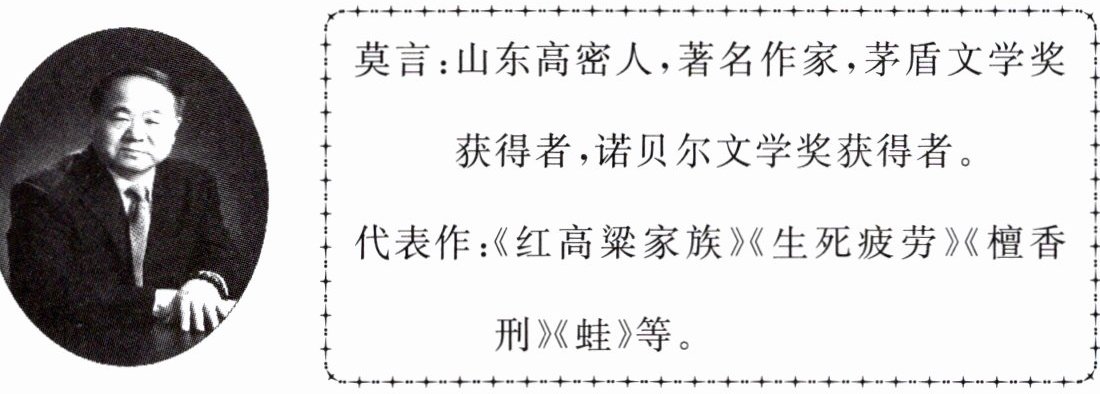

Mo Yan is a well-known Chinese . He was born in a poor family in Shandong in 1955. When he young, he was because he thought he wasn’t good-looking. His mother told him to be brave, and not to look down on himself. It was important to work . She hoped son could be a person one day. So Mo Yan kept learning and practised writing. In 2012, he the Nobel Prize in Literature. He was the Chinese writer to win this prize.
Mo Yan is a well-known Chinese . He was born in a poor family in Shandong in 1955. When he young, he was because he thought he wasn’t good-looking. His mother told him to be brave, and not to look down on himself. It was important to work . She hoped son could be a person one day. So Mo Yan kept learning and practised writing. In 2012, he the Nobel Prize in Literature. He was the Chinese writer to win this prize.
答案
writer was shy hard her useful won first
解析
1. 第一空,根据“well-known Chinese”及常识,莫言是作家,选“writer”。
2. 第二空,“When he...young”描述过去,用“was”。
3. 第三空,“because he thought he wasn’t good-looking”提示性格,选“shy”。
4. 第四空,“work”后接副词,“hard”符合“努力工作”。
5. 第五空,“son”前用形容词性物主代词“her”。
6. 第六空,“person”前用形容词,“useful”表示“有用的”。
7. 第七空,“2012年获奖”用过去式“won”。
8. 第八空,“the...Chinese writer”用序数词“first”。
2. 第二空,“When he...young”描述过去,用“was”。
3. 第三空,“because he thought he wasn’t good-looking”提示性格,选“shy”。
4. 第四空,“work”后接副词,“hard”符合“努力工作”。
5. 第五空,“son”前用形容词性物主代词“her”。
6. 第六空,“person”前用形容词,“useful”表示“有用的”。
7. 第七空,“2012年获奖”用过去式“won”。
8. 第八空,“the...Chinese writer”用序数词“first”。
