

 登录
登录
四、根据上下文及图片提示,完成对话。
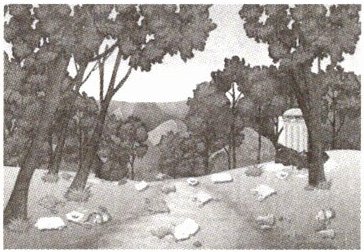
1. A:Look at theof the park.
B:It's messy and.
A:Itnice and clean many years ago.
B:Whatit messy and dirty then?
A:. Many people threw it on the ground.
B:should we do?
A:We shouldit up andit in the bin.
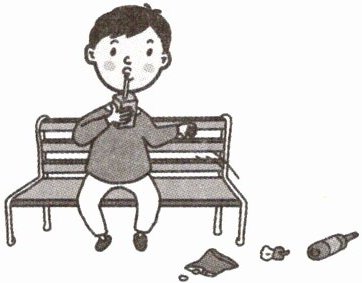
2. A:There's a lot ofnear the boy.
B:Yes. It makes the park.
A:Look! What is henow?
B:He'ssome rubbish on the.
A:it right?
B:No,it.
A:What should he do?
B:He shouldhis rubbishthe bin.
1. A:Look at theof the park.
B:It's messy and.
A:Itnice and clean many years ago.
B:Whatit messy and dirty then?
A:. Many people threw it on the ground.
B:should we do?
A:We shouldit up andit in the bin.
2. A:There's a lot ofnear the boy.
B:Yes. It makes the park.
A:Look! What is henow?
B:He'ssome rubbish on the.
A:it right?
B:No,it.
A:What should he do?
B:He shouldhis rubbishthe bin.
答案
1. ground; dirty; was; made; Rubbish; What; pick; put
2. rubbish; dirty; doing; throwing; ground; Is; isn't; put; into
2. rubbish; dirty; doing; throwing; ground; Is; isn't; put; into
解析
1. 结合图片(公园地面满是垃圾)和对话语境:
第一空描述公园的地面,填ground;
第二空和messy并列,形容公园的脏乱状态,填dirty;
时间状语many years ago提示用一般过去时,主语it对应的be动词填was;
询问“什么使公园变得脏乱”,填make的过去式made;
根据后文“人们扔在地上的物品”,填Rubbish;
询问“我们应该做什么”,填疑问词What;
“捡起垃圾”用短语pick up,“把垃圾放进垃圾桶”用put...in the bin,故填pick和put。
2. 结合图片(男孩身边有垃圾,正在扔垃圾)和对话语境:
第一空指男孩身边的垃圾,填rubbish;
垃圾会让公园变脏,填dirty;
now提示现在进行时,询问男孩正在做什么,填doing;
图片中男孩正在扔垃圾,填throwing,垃圾被扔在地上,填ground;
一般疑问句询问该行为是否正确,填Is;
否定回答填isn't;
“把垃圾放进垃圾桶”用put...into the bin,填put和into。
第一空描述公园的地面,填ground;
第二空和messy并列,形容公园的脏乱状态,填dirty;
时间状语many years ago提示用一般过去时,主语it对应的be动词填was;
询问“什么使公园变得脏乱”,填make的过去式made;
根据后文“人们扔在地上的物品”,填Rubbish;
询问“我们应该做什么”,填疑问词What;
“捡起垃圾”用短语pick up,“把垃圾放进垃圾桶”用put...in the bin,故填pick和put。
2. 结合图片(男孩身边有垃圾,正在扔垃圾)和对话语境:
第一空指男孩身边的垃圾,填rubbish;
垃圾会让公园变脏,填dirty;
now提示现在进行时,询问男孩正在做什么,填doing;
图片中男孩正在扔垃圾,填throwing,垃圾被扔在地上,填ground;
一般疑问句询问该行为是否正确,填Is;
否定回答填isn't;
“把垃圾放进垃圾桶”用put...into the bin,填put和into。
一、听录音,选择合适的应答句。(听两遍)
()1. A. Yes,it does.
B. Yes,it is.
C. No,it doesn't.
()2. A. The rubbish.
B. The trees.
C. The flowers.
()3. A. We can shout.
B. We can sweep the floor.
C. We can litter.
()4. A. Yes,I do.
B. Yes,I can.
C. Yes,we should.
()5. A. I do my homework.
B. I'm doing my homework.
C. I did my homework.
()1. A. Yes,it does.
B. Yes,it is.
C. No,it doesn't.
()2. A. The rubbish.
B. The trees.
C. The flowers.
()3. A. We can shout.
B. We can sweep the floor.
C. We can litter.
()4. A. Yes,I do.
B. Yes,I can.
C. Yes,we should.
()5. A. I do my homework.
B. I'm doing my homework.
C. I did my homework.
答案
1.B;2.A;3.B;4.C;5.B
解析
本题为听力选择题,结合译林版六年级上册Unit6(Keep our city clean)第二课时常规考点,按以下思路匹配应答:
1. 对应Is引导的一般疑问句,选B;
2. 对应询问污染城市的事物的问句,选A;
3. 选择符合文明清洁行为的选项,选B;
4. 对应Should引导的一般疑问句,选C;
5. 对应现在进行时的问句,选B。
1. 对应Is引导的一般疑问句,选B;
2. 对应询问污染城市的事物的问句,选A;
3. 选择符合文明清洁行为的选项,选B;
4. 对应Should引导的一般疑问句,选C;
5. 对应现在进行时的问句,选B。
