

 登录
登录
Ⅲ. Read, choose and write. (读一读,选择正确的单词补全句子。)
1. Miss White doesn't
2. My grandmother often
3. Susan
4. I can
5. Amy
1. Miss White doesn't
like
(like/likes) sports.2. My grandmother often
has
(have/has) taijiquan class on Friday evenings.3. Susan
cleans
(clean/cleans) the classroom on Tuesdays.4. I can
watch
(watch/watches) TV at the weekend.5. Amy
goes
(go/goes) to the Robot Club on Wednesdays after school.答案
1. like 2. has 3. cleans
4. watch 5. goes
4. watch 5. goes
解析
【分析】本题为英语语法填空题,考查一般现在时中动词的正确形式。解题思路:1. 助动词doesn't后需接动词原形;2. 主语为第三人称单数时,一般现在时谓语动词用第三人称单数形式;3. 情态动词can后需接动词原形,据此逐一分析各小题即可。
【解析】1. 助动词doesn't后接动词原形,故填like;2. 主语My grandmother是第三人称单数,一般现在时谓语动词用三单形式,have的三单为has,故填has;3. 主语Susan是第三人称单数,一般现在时谓语动词用三单形式,clean的三单为cleans,故填cleans;4. 情态动词can后接动词原形,故填watch;5. 主语Amy是第三人称单数,一般现在时谓语动词用三单形式,go的三单为goes,故填goes。
【答案】1. like 2. has 3. cleans 4. watch 5. goes
【知识点】一般现在时、动词原形、第三人称单数
【点评】本题考查小学阶段基础语法知识,涉及助动词、情态动词及一般现在时的动词形式变化,题型常规,难度较低,适合基础巩固练习。
【难度系数】0.8
【解析】1. 助动词doesn't后接动词原形,故填like;2. 主语My grandmother是第三人称单数,一般现在时谓语动词用三单形式,have的三单为has,故填has;3. 主语Susan是第三人称单数,一般现在时谓语动词用三单形式,clean的三单为cleans,故填cleans;4. 情态动词can后接动词原形,故填watch;5. 主语Amy是第三人称单数,一般现在时谓语动词用三单形式,go的三单为goes,故填goes。
【答案】1. like 2. has 3. cleans 4. watch 5. goes
【知识点】一般现在时、动词原形、第三人称单数
【点评】本题考查小学阶段基础语法知识,涉及助动词、情态动词及一般现在时的动词形式变化,题型常规,难度较低,适合基础巩固练习。
【难度系数】0.8
Ⅳ. Read and write.(读一读,根据要求完成任务。)
1. What do you do at the weekend?(根据实际情况回答。)
2. I usually read books on Sunday mornings.(对画线部分提问。)
3. She washes her clothes on Saturdays.(改为否定句。)
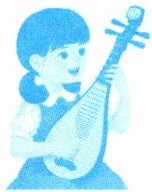
4. Does Chen Jie do her homework on Saturday mornings?(根据图片回答问题。)
1. What do you do at the weekend?(根据实际情况回答。)
I often tidy my room at the weekend.(根据实际情况回答即可。)
2. I usually read books on Sunday mornings.(对画线部分提问。)
What do you usually do on Sunday mornings?
3. She washes her clothes on Saturdays.(改为否定句。)
She doesn't wash her clothes on Saturdays.
4. Does Chen Jie do her homework on Saturday mornings?(根据图片回答问题。)
No, she doesn't.
答案
1. 示例:I often tidy my room at the weekend.(根据实际情况回答即可。)
2. What do you usually do on Sunday mornings?
3. She doesn't wash her clothes on Saturdays.
4. No, she doesn't.
2. What do you usually do on Sunday mornings?
3. She doesn't wash her clothes on Saturdays.
4. No, she doesn't.
解析
【分析】
本题考查一般现在时的相关用法及日常表达,需结合题目要求逐一解答:
1. 第一题是开放性问答,需根据实际情况写出周末的活动,合理即可;
2. 第二题是对划线动作提问,需用特殊疑问词What,结合一般现在时的疑问句结构转换;
3. 第三题是将一般现在时的肯定句改为否定句,需注意第三人称单数的否定结构;
4. 第四题需结合图片内容判断,图片中人物未做作业,故用否定回答。
【解析】
1. 第一题:根据实际情况回答周末的活动,符合日常表达即可,示例答案为I often tidy my room at the weekend;
2. 第二题:划线部分是动作“read books”,对动作提问用特殊疑问词What,原句为一般现在时,主语I转换为you,助动词用do,保留时间状语,故问句为What do you usually do on Sunday mornings?;
3. 第三题:主语She是第三人称单数,一般现在时的否定句需在主语后加doesn't,动词washes还原为原形wash,故答案为She doesn't wash her clothes on Saturdays;
4. 第四题:图片中人物在弹琵琶,未进行做作业的动作,对Does开头的一般疑问句,否定回答为No, she doesn't。
【答案】
1. I often tidy my room at the weekend.(答案不唯一,合理即可)
2. What do you usually do on Sunday mornings?
3. She doesn't wash her clothes on Saturdays.
4. No, she doesn't.
【知识点】
一般现在时、特殊疑问句、否定句转换
【点评】
本题围绕一般现在时的基础用法展开,涵盖开放性问答、划线提问、否定转换及图片信息提取,题型基础,考查学生对一般现在时的掌握程度。
【难度系数】
0.6
本题考查一般现在时的相关用法及日常表达,需结合题目要求逐一解答:
1. 第一题是开放性问答,需根据实际情况写出周末的活动,合理即可;
2. 第二题是对划线动作提问,需用特殊疑问词What,结合一般现在时的疑问句结构转换;
3. 第三题是将一般现在时的肯定句改为否定句,需注意第三人称单数的否定结构;
4. 第四题需结合图片内容判断,图片中人物未做作业,故用否定回答。
【解析】
1. 第一题:根据实际情况回答周末的活动,符合日常表达即可,示例答案为I often tidy my room at the weekend;
2. 第二题:划线部分是动作“read books”,对动作提问用特殊疑问词What,原句为一般现在时,主语I转换为you,助动词用do,保留时间状语,故问句为What do you usually do on Sunday mornings?;
3. 第三题:主语She是第三人称单数,一般现在时的否定句需在主语后加doesn't,动词washes还原为原形wash,故答案为She doesn't wash her clothes on Saturdays;
4. 第四题:图片中人物在弹琵琶,未进行做作业的动作,对Does开头的一般疑问句,否定回答为No, she doesn't。
【答案】
1. I often tidy my room at the weekend.(答案不唯一,合理即可)
2. What do you usually do on Sunday mornings?
3. She doesn't wash her clothes on Saturdays.
4. No, she doesn't.
【知识点】
一般现在时、特殊疑问句、否定句转换
【点评】
本题围绕一般现在时的基础用法展开,涵盖开放性问答、划线提问、否定转换及图片信息提取,题型基础,考查学生对一般现在时的掌握程度。
【难度系数】
0.6
Ⅴ. Read and finish the tasks. (阅读短文,完成下列任务。)
Amy’s after-school life
Amy is a Grade 5 student. She enjoys her after-school time. On Mon-
days, she plays the piano for thirty minutes. On Tuesdays and Thursdays,
she goes swimming with her friend Lucy. On Wednesdays, she joins the Eng-
lish club to learn new words. On Fridays, she helps her dad clean the room
because her dad is busy on Fridays. At the weekend, she rarely(不常,很少)
goes out. She usually visits her grandparents on Saturdays and does home-
work on Sundays. She thinks her life is colourful.
任务一:Read and choose.(阅读短文,选择正确答案。)
(
—.
A. On Mondays
B. On Saturdays
C. On Tuesdays and Thursdays
(
—Because .
A. her dad is busy on Fridays
B. she can learn new words
C. her mum is busy on Fridays
(
—.
A. She usually goes out
B. She usually joins the English club
C. She usually visits her grandparents and does homework
任务二:Read and write.(阅读短文,回答问题。)
1. What does Amy do on Mondays after school?
2. Does Amy often go out at the weekend?
3. How is Amy’s after-school life?
Amy’s after-school life
Amy is a Grade 5 student. She enjoys her after-school time. On Mon-
days, she plays the piano for thirty minutes. On Tuesdays and Thursdays,
she goes swimming with her friend Lucy. On Wednesdays, she joins the Eng-
lish club to learn new words. On Fridays, she helps her dad clean the room
because her dad is busy on Fridays. At the weekend, she rarely(不常,很少)
goes out. She usually visits her grandparents on Saturdays and does home-
work on Sundays. She thinks her life is colourful.
任务一:Read and choose.(阅读短文,选择正确答案。)
(
C
)1. —When does Amy go swimming?—.
A. On Mondays
B. On Saturdays
C. On Tuesdays and Thursdays
(
A
)2. —Why does Amy help her dad clean the room on Fridays?—Because .
A. her dad is busy on Fridays
B. she can learn new words
C. her mum is busy on Fridays
(
C
)3. —What does Amy usually do at the weekend?—.
A. She usually goes out
B. She usually joins the English club
C. She usually visits her grandparents and does homework
任务二:Read and write.(阅读短文,回答问题。)
1. What does Amy do on Mondays after school?
She plays the piano for thirty minutes.
2. Does Amy often go out at the weekend?
No, she doesn't.
3. How is Amy’s after-school life?
It is colourful.
答案
任务一:
1. C 2. A 3. C
任务二:
1. She plays the piano for thirty minutes.
2. No, she doesn't.
3. It is colourful.
1. C 2. A 3. C
任务二:
1. She plays the piano for thirty minutes.
2. No, she doesn't.
3. It is colourful.
解析
【分析】
这是英语阅读理解的细节类题目,解题思路为:先通读短文把握大意,再针对每个任务的问题,回到短文中定位对应句子,提取关键信息后完成作答。任务一为选择题,需匹配问题与原文对应信息;任务二为回答题,需从原文提取准确语句作答。
【解析】
任务一:
1. 问题询问Amy去游泳的时间,定位原文“On Tuesdays and Thursdays, she goes swimming with her friend Lucy.”,对应选项C。
2. 问题询问Amy周五帮爸爸打扫房间的原因,定位原文“because her dad is busy on Fridays.”,对应选项A。
3. 问题询问Amy周末通常做什么,定位原文“She usually visits her grandparents on Saturdays and does homework on Sundays.”,对应选项C。
任务二:
1. 问题询问Amy周一下课后的活动,定位原文“On Mondays, she plays the piano for thirty minutes.”,直接提取作答。
2. 问题询问Amy周末是否经常外出,定位原文“At the weekend, she rarely goes out.”,rarely表示很少,故作否定回答:No, she doesn't.
3. 问题询问Amy的课后生活状态,定位原文“She thinks her life is colourful.”,直接提取作答。
【答案】
任务一:1.C 2.A 3.C
任务二:1. She plays the piano for thirty minutes. 2. No, she doesn't. 3. It is colourful.
【知识点】
英语阅读理解、细节理解题
【点评】
本题为基础英语阅读细节题,所有答案均可直接从原文定位获取,难度较低,适合学生巩固阅读细节查找能力。
【难度系数】
0.9
这是英语阅读理解的细节类题目,解题思路为:先通读短文把握大意,再针对每个任务的问题,回到短文中定位对应句子,提取关键信息后完成作答。任务一为选择题,需匹配问题与原文对应信息;任务二为回答题,需从原文提取准确语句作答。
【解析】
任务一:
1. 问题询问Amy去游泳的时间,定位原文“On Tuesdays and Thursdays, she goes swimming with her friend Lucy.”,对应选项C。
2. 问题询问Amy周五帮爸爸打扫房间的原因,定位原文“because her dad is busy on Fridays.”,对应选项A。
3. 问题询问Amy周末通常做什么,定位原文“She usually visits her grandparents on Saturdays and does homework on Sundays.”,对应选项C。
任务二:
1. 问题询问Amy周一下课后的活动,定位原文“On Mondays, she plays the piano for thirty minutes.”,直接提取作答。
2. 问题询问Amy周末是否经常外出,定位原文“At the weekend, she rarely goes out.”,rarely表示很少,故作否定回答:No, she doesn't.
3. 问题询问Amy的课后生活状态,定位原文“She thinks her life is colourful.”,直接提取作答。
【答案】
任务一:1.C 2.A 3.C
任务二:1. She plays the piano for thirty minutes. 2. No, she doesn't. 3. It is colourful.
【知识点】
英语阅读理解、细节理解题
【点评】
本题为基础英语阅读细节题,所有答案均可直接从原文定位获取,难度较低,适合学生巩固阅读细节查找能力。
【难度系数】
0.9
