

 登录
登录
B
Wilma Rudolph: The Girl Who Ran Like the Wind
Wilma Rudolph was born in 1940 in Tennessee, USA. As a young child, she was often sick. At the age of four, she got a serious illness called polio(小儿麻痹症). Her left leg became very weak. The doctor said, “She will never walk again.” But Wilma did not give up.
Every week, her mother rubbed her leg and taught her exercises. Wilma practiced every day, even when it was hard. Slowly, her leg grew stronger. By age nine, she could walk without her special shoe! Then she did something amazing: she started to run. At first, she ran slowly, but she never stopped trying.
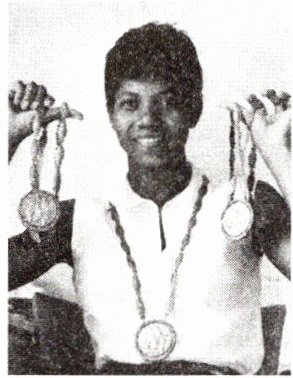
When Wilma was 16, she joined her high school track team. People were surprised because she ran so fast. In 1960, she went to the Olympics in Rome. There, she won three gold medals in running races! Everyone called her “The Tornado” because she ran like the wind. Wilma showed the world: impossible is nothing.
()1. What happened to Wilma when she was four years old?
A. She got polio and couldn't walk well. B. She won a running race.
C. She moved to Rome.
()2. What does the word “rubbed” mean in the story?
A. Moved hands gently to warm or heal. B. Taught how to run.
C. Gave medicine.
()3. How was Wilma able to walk again?
A. By wearing a special shoe forever. B. By practicing exercises every day.
C. By joining the Olympics early.
()4. Why did people call Wilma “The Tornado”?
A. Because she was very strong. B. Because she ran very fast.
C. Because she came from Tennessee.
()5. Which sentence best shows “impossible is nothing”?
A. She was often sick as a child.
B. Her mother helped her with exercises.
C. She won three gold medals after learning to walk again.
6. If you had a chance to interview Wilma Rudolph(died in 1994), what questions would you most like to ask her? Why?
Wilma Rudolph: The Girl Who Ran Like the Wind
Wilma Rudolph was born in 1940 in Tennessee, USA. As a young child, she was often sick. At the age of four, she got a serious illness called polio(小儿麻痹症). Her left leg became very weak. The doctor said, “She will never walk again.” But Wilma did not give up.
Every week, her mother rubbed her leg and taught her exercises. Wilma practiced every day, even when it was hard. Slowly, her leg grew stronger. By age nine, she could walk without her special shoe! Then she did something amazing: she started to run. At first, she ran slowly, but she never stopped trying.
When Wilma was 16, she joined her high school track team. People were surprised because she ran so fast. In 1960, she went to the Olympics in Rome. There, she won three gold medals in running races! Everyone called her “The Tornado” because she ran like the wind. Wilma showed the world: impossible is nothing.
()1. What happened to Wilma when she was four years old?
A. She got polio and couldn't walk well. B. She won a running race.
C. She moved to Rome.
()2. What does the word “rubbed” mean in the story?
A. Moved hands gently to warm or heal. B. Taught how to run.
C. Gave medicine.
()3. How was Wilma able to walk again?
A. By wearing a special shoe forever. B. By practicing exercises every day.
C. By joining the Olympics early.
()4. Why did people call Wilma “The Tornado”?
A. Because she was very strong. B. Because she ran very fast.
C. Because she came from Tennessee.
()5. Which sentence best shows “impossible is nothing”?
A. She was often sick as a child.
B. Her mother helped her with exercises.
C. She won three gold medals after learning to walk again.
6. If you had a chance to interview Wilma Rudolph(died in 1994), what questions would you most like to ask her? Why?
答案
1.A
2.A
3.B
4.B
5.C
6. If I could interview Wilma Rudolph, I would ask her three important questions. First, “How did you keep practicing every day?” I want to learn her secret to never giving up. Second, “Were you ever afraid you might fail?” Her story gives me courage to try hard things. Finally, “What advice do you have for students?” I hope her words can help me believe in myself like she did.
2.A
3.B
4.B
5.C
6. If I could interview Wilma Rudolph, I would ask her three important questions. First, “How did you keep practicing every day?” I want to learn her secret to never giving up. Second, “Were you ever afraid you might fail?” Her story gives me courage to try hard things. Finally, “What advice do you have for students?” I hope her words can help me believe in myself like she did.
解析
【分析】
这是一篇人物传记类阅读理解题,包含客观选择题和主观开放性问题。解题时需先通读全文,把握Wilma Rudolph的核心经历:幼年患病、坚持锻炼康复、成为奥运冠军的过程。针对选择题,需定位原文对应细节,逐一匹配选项;词义猜测题结合上下文语境推断;主观题需围绕“永不放弃”的主旨,结合人物经历设计合理问题并说明原因。
【解析】
1. 细节理解题:根据原文第一段“At the age of four, she got a serious illness called polio(小儿麻痹症). Her left leg became very weak. The doctor said, “She will never walk again.””可知,四岁时她得了小儿麻痹症,腿无法正常行走,对应选项A。
2. 词义猜测题:根据第二段“Every week, her mother rubbed her leg and taught her exercises. Wilma practiced every day, even when it was hard. Slowly, her leg grew stronger.”可知,妈妈通过揉腿帮助她恢复,rubbed意为“轻轻揉动以帮助恢复”,对应选项A。
3. 细节理解题:根据第二段“Every week, her mother rubbed her leg and taught her exercises. Wilma practiced every day, even when it was hard. Slowly, her leg grew stronger.”可知,她通过每天坚持练习锻炼重新能走路,对应选项B。
4. 细节理解题:根据第三段“Everyone called her “The Tornado” because she ran like the wind.”可知,因为她跑得极快,所以被称为“The Tornado”,对应选项B。
5. 主旨理解题:“impossible is nothing”意为“没有不可能”,她从无法走路到学会跑步,最终获得三枚奥运金牌,完美体现了这一主旨,对应选项C。
6. 开放性问题:围绕Wilma的励志经历,设计关于坚持、面对困难、给学生的建议等问题,说明原因即可,符合要求。
【答案】
1.A 2.A 3.B 4.B 5.C 6. If I could interview Wilma Rudolph, I would ask her three important questions. First, “How did you keep practicing every day?” I want to learn her secret to never giving up. Second, “Were you ever afraid you might fail?” Her story gives me courage to try hard things. Finally, “What advice do you have for students?” I hope her words can help me believe in myself like she did.
【知识点】
阅读理解细节理解、词义猜测、开放性问题
【点评】
本文通过Wilma Rudolph的励志故事,考查学生对文章细节的把握、词义的推断以及对人物精神的理解,主观题引导学生感悟永不放弃的品质,题目设置符合初中英语阅读理解的考查要求,兼具知识性与教育性。
【难度系数】
0.6
这是一篇人物传记类阅读理解题,包含客观选择题和主观开放性问题。解题时需先通读全文,把握Wilma Rudolph的核心经历:幼年患病、坚持锻炼康复、成为奥运冠军的过程。针对选择题,需定位原文对应细节,逐一匹配选项;词义猜测题结合上下文语境推断;主观题需围绕“永不放弃”的主旨,结合人物经历设计合理问题并说明原因。
【解析】
1. 细节理解题:根据原文第一段“At the age of four, she got a serious illness called polio(小儿麻痹症). Her left leg became very weak. The doctor said, “She will never walk again.””可知,四岁时她得了小儿麻痹症,腿无法正常行走,对应选项A。
2. 词义猜测题:根据第二段“Every week, her mother rubbed her leg and taught her exercises. Wilma practiced every day, even when it was hard. Slowly, her leg grew stronger.”可知,妈妈通过揉腿帮助她恢复,rubbed意为“轻轻揉动以帮助恢复”,对应选项A。
3. 细节理解题:根据第二段“Every week, her mother rubbed her leg and taught her exercises. Wilma practiced every day, even when it was hard. Slowly, her leg grew stronger.”可知,她通过每天坚持练习锻炼重新能走路,对应选项B。
4. 细节理解题:根据第三段“Everyone called her “The Tornado” because she ran like the wind.”可知,因为她跑得极快,所以被称为“The Tornado”,对应选项B。
5. 主旨理解题:“impossible is nothing”意为“没有不可能”,她从无法走路到学会跑步,最终获得三枚奥运金牌,完美体现了这一主旨,对应选项C。
6. 开放性问题:围绕Wilma的励志经历,设计关于坚持、面对困难、给学生的建议等问题,说明原因即可,符合要求。
【答案】
1.A 2.A 3.B 4.B 5.C 6. If I could interview Wilma Rudolph, I would ask her three important questions. First, “How did you keep practicing every day?” I want to learn her secret to never giving up. Second, “Were you ever afraid you might fail?” Her story gives me courage to try hard things. Finally, “What advice do you have for students?” I hope her words can help me believe in myself like she did.
【知识点】
阅读理解细节理解、词义猜测、开放性问题
【点评】
本文通过Wilma Rudolph的励志故事,考查学生对文章细节的把握、词义的推断以及对人物精神的理解,主观题引导学生感悟永不放弃的品质,题目设置符合初中英语阅读理解的考查要求,兼具知识性与教育性。
【难度系数】
0.6
