

 登录
四、信息还原
根据短文内容,从短文后的选项中选出能填入空白处的最佳选项,选项中有一项为多余选项。
A 13,000-mile dragon of earth and stone winds its way through mountains and countryside in northern China. Its long history is almost as old as the wall itself.
The Great Wall began as many separate walls built by different ancient states during the Spring and Autumn Period. At that time, people moved from place to place, and wars often happened. When Emperor Qinshihuang united all the states in 221 BC, the mountains in the north were still easy for enemies to attack.
In the Han Dynasty, the wall grew even longer and stronger. It finally reached more than 3,700 miles. Building such a long wall was extremely difficult. Millions of workers—soldiers, farmers and prisoners—were forced to leave their homes and work on the wall.
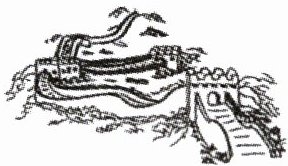
The wall was built to keep enemies out of China, but today it does the opposite—it welcomes millions of visitors from all over the world each year.
Even now, new parts of the Wall are still being found every few years.
A. Today, the Great Wall exists mainly as a cultural icon.
B. The Wall was built with earth, stones and bricks.
C. They carried heavy stones and bricks up the mountains.
D. People come to see its beauty and learn about its history.
E. These parts branch off from the main wall and go into forests and mountains.
F. To protect his people, the Emperor ordered workers to connect and strengthen these old walls.
1. 2. 3. 4. 5.
根据短文内容,从短文后的选项中选出能填入空白处的最佳选项,选项中有一项为多余选项。
A 13,000-mile dragon of earth and stone winds its way through mountains and countryside in northern China. Its long history is almost as old as the wall itself.
The Great Wall began as many separate walls built by different ancient states during the Spring and Autumn Period. At that time, people moved from place to place, and wars often happened. When Emperor Qinshihuang united all the states in 221 BC, the mountains in the north were still easy for enemies to attack.
F
1 This hard work created one long wall that ran from west to east.In the Han Dynasty, the wall grew even longer and stronger. It finally reached more than 3,700 miles. Building such a long wall was extremely difficult. Millions of workers—soldiers, farmers and prisoners—were forced to leave their homes and work on the wall.
C
2 Poems and stories from that time tell us that many workers lost their lives while building it.The wall was built to keep enemies out of China, but today it does the opposite—it welcomes millions of visitors from all over the world each year.
D
3 However, having so many visitors has caused some harm to the old wall. Some parts have been worn down by footsteps, and a few visitors have even left marks on the stones. To protect this great wonder, the Chinese government is now taking action.A
4 It is one of the largest man-made structures on earth and was named a UNESCO World Heritage Site in 1987. This means it is recognized as a place of great importance to all people.Even now, new parts of the Wall are still being found every few years.
E
5 Their discovery shows us that the Wall is even larger than we thought, and it continues to remind us of what people can achieve.A. Today, the Great Wall exists mainly as a cultural icon.
B. The Wall was built with earth, stones and bricks.
C. They carried heavy stones and bricks up the mountains.
D. People come to see its beauty and learn about its history.
E. These parts branch off from the main wall and go into forests and mountains.
F. To protect his people, the Emperor ordered workers to connect and strengthen these old walls.
1. 2. 3. 4. 5.
答案
1. F
2. C
3. D
4. A
5. E
解析
【分析】
做信息还原题时,需先通读全文把握主旨(本文围绕中国长城的历史、建造、现状及文化意义展开),再逐个分析每个空的上下文逻辑,结合选项的语义、衔接关系匹配答案:
1. 第1空前文提到秦始皇统一后北方有外敌易攻,后文说建成东西走向的长墙,需找秦始皇下令连接旧墙的选项;
2. 第2空后文提到很多工人建墙时丧生,需找工人劳作的具体内容;
3. 第3空前文说长城现在欢迎游客,后文说游客带来的危害,需找游客来的目的;
4. 第4空后文提到长城是世界文化遗产,需找长城作为文化标志的选项;
5. 第5空前文说不断发现新的长城部分,需找这些新部分的走向的选项。
【解析】
1. 第1空:前文讲秦始皇统一后北方有外敌,后文说建成长墙,F选项“为保护人民,皇帝下令工人连接并加固这些旧墙”符合逻辑,衔接上下文,故选F;
2. 第2空:后文提到工人建墙丧生,C选项“他们把沉重的石头和砖块运上山”描述工人的劳作,能衔接后文的辛苦,故选C;
3. 第3空:前文说长城欢迎游客,后文说游客带来的危害,D选项“人们来欣赏它的美并了解它的历史”说明游客来的目的,衔接自然,故选D;
4. 第4空:后文提到长城是世界文化遗产,A选项“如今长城主要作为文化象征存在”符合语境,衔接后文的文化意义,故选A;
5. 第5空:前文说不断发现新的长城部分,E选项“这些部分从主墙分支出来,延伸到森林和山脉中”描述新部分的情况,衔接前文的“新部分被发现”,故选E。
【答案】
1.F 2.C 3.D 4.A 5.E
【知识点】
英语阅读理解、信息还原、逻辑衔接
【点评】
本题为英语信息还原题,需结合语篇主旨和上下文的语义、逻辑关系匹配选项,考查学生的语篇理解能力,难度适中。
【难度系数】
0.6
