

 登录
A
Have you ever heard that the very first idea for the television came from a teenager? Young minds make amazing inventors—their creativity and imagination let them dream up things no one else might think of.
1873: 15-year-old Chester Greenwood loved ice skating, but his ears always hurt from the cold. To keep his ears warm, he tried hard and made the first pair of earmuffs with his grandma's help. Chester patented(获得专利)his invention when he was 19. For 60 years, he made earmuffs in his hometown and gave jobs to many people.
1905: When Frank Epperson was eleven, he left a cup with some soft drink and a stick in his garden by accident. It was a very cold night. When he went outside the next morning, he found something amazing: an ice lolly!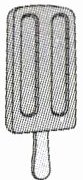
1945: George Nissen was 16 years old when he went to the circus(马戏表演). He saw performers jump on safety nets and thought, “What if we make a net that lets people jump higher?” He started designing a “trampoline”. He made many models and failed a lot. But finally he succeeded. People loved it! George lived to see trampolining become an Olympic sport in 2000.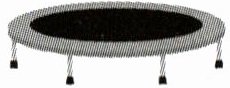
1994: Chris Haas was nine years old when he designed a “hands-on basketball”. His basketball has painted hands on it. The hands show you where to put your hands when you throw the ball. Chris had the idea when he saw his friends miss lots of baskets. Today people use his invention around the world.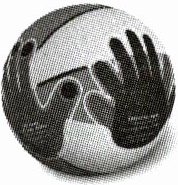
(
A. The earmuffs.
B. The ice lolly.
C. The trampoline.
D. The hands-on basketball.
(
A. Chester Greenwood.
B. Frank Epperson.
C. George Nissen.
D. Chris Haas.
(
A. Creative Minds.
B. Living Habits.
C. Latest Movies.
D. Physical Education.
Have you ever heard that the very first idea for the television came from a teenager? Young minds make amazing inventors—their creativity and imagination let them dream up things no one else might think of.
1873: 15-year-old Chester Greenwood loved ice skating, but his ears always hurt from the cold. To keep his ears warm, he tried hard and made the first pair of earmuffs with his grandma's help. Chester patented(获得专利)his invention when he was 19. For 60 years, he made earmuffs in his hometown and gave jobs to many people.
1905: When Frank Epperson was eleven, he left a cup with some soft drink and a stick in his garden by accident. It was a very cold night. When he went outside the next morning, he found something amazing: an ice lolly!
1945: George Nissen was 16 years old when he went to the circus(马戏表演). He saw performers jump on safety nets and thought, “What if we make a net that lets people jump higher?” He started designing a “trampoline”. He made many models and failed a lot. But finally he succeeded. People loved it! George lived to see trampolining become an Olympic sport in 2000.
1994: Chris Haas was nine years old when he designed a “hands-on basketball”. His basketball has painted hands on it. The hands show you where to put your hands when you throw the ball. Chris had the idea when he saw his friends miss lots of baskets. Today people use his invention around the world.
(
B
)1. Which of the following was an accidental invention?A. The earmuffs.
B. The ice lolly.
C. The trampoline.
D. The hands-on basketball.
(
D
)2. Who was the youngest inventor according to the text?A. Chester Greenwood.
B. Frank Epperson.
C. George Nissen.
D. Chris Haas.
(
A
)3. In which part of a magazine can we read the text?A. Creative Minds.
B. Living Habits.
C. Latest Movies.
D. Physical Education.
答案
1. B 2. D 3. A
B
Chinese soldiers are now welcoming some new "teammates": robot dogs. These China-made robots recently showed their amazing skills at the China-Cambodia "Golden Dragon 2024" joint exercise(联合演习) in May.
During the joint exercise, Chinese team members were able to control remotely(遥控) a robot dog called Go2. It quickly checked for obstacles(障碍物) like fences and old tires. With cameras on its head, Go2 can send live videos back to headquarters.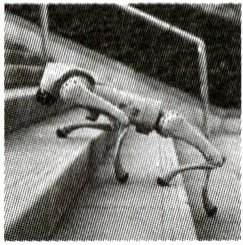
Go2 is also very small. It weighs only 15 kilograms. It can do things like jumping, moving backward and even lying down—just like a real dog. It can work for two to four hours at a time before it needs a "rest".
A heavier robot dog, B1, can not only check areas but also attack. It carries a gun on its back and can shoot when ordered to. It can carry things as heavy as 80 kilograms on its back.
The robot dogs can help soldiers with dangerous tasks, such as going through rain forests or other unclear environments. Their help can stop more soldiers from getting hurt.
Apart from humans' best "robot friend", the joint exercise also showed more types of smart equipment, such as drones(无人机). Instead of fighting in a war, these smart machines are used to solve common threats(威胁) like terrorism and natural disasters.
Robot dogs play an important role in many other areas. During the 19th Asian Games in Hangzhou in 2023, robot dogs helped find and return thrown discuses(铁饼). Without the robots, people would have needed to cover over 7,000 metres in a single competition. Robot dogs can also be "lifesavers". Some robot dogs can "see" clearly through smoke when there's a fire thanks to their special cameras.
▲
(
A. It weighs 15 kilograms.
B. It can work for 6 hours without rest.
C. It can carry things as heavy as 80 kilograms.
D. It can shoot when ordered.
(
A. It can send live video.
B. It can carry heavy things and attack.
C. It can jump and lie down like a real dog.
D. It can see through the rain.
(
A. To show that Chinese robot technology is the best in the world.
B. To show that robot dogs can also be useful in many other situations.
C. To show that robot dogs can do daily housework.
D. To show that robot dogs are better at sports than people.
(
A. So, people fear that robot dogs might be dangerous in the future. And their use should be strictly limited(限制).
B. All in all, China is now a world leader in this wonderful technology. All the other countries should learn from its success.
C. So in the near future, the cost of robots is going to drop quickly, which will make them common for everyday use.
D. As you can see, these robots are turning out to be helpful friends. And they have been making a difference in various fields.
Chinese soldiers are now welcoming some new "teammates": robot dogs. These China-made robots recently showed their amazing skills at the China-Cambodia "Golden Dragon 2024" joint exercise(联合演习) in May.
During the joint exercise, Chinese team members were able to control remotely(遥控) a robot dog called Go2. It quickly checked for obstacles(障碍物) like fences and old tires. With cameras on its head, Go2 can send live videos back to headquarters.
Go2 is also very small. It weighs only 15 kilograms. It can do things like jumping, moving backward and even lying down—just like a real dog. It can work for two to four hours at a time before it needs a "rest".
A heavier robot dog, B1, can not only check areas but also attack. It carries a gun on its back and can shoot when ordered to. It can carry things as heavy as 80 kilograms on its back.
The robot dogs can help soldiers with dangerous tasks, such as going through rain forests or other unclear environments. Their help can stop more soldiers from getting hurt.
Apart from humans' best "robot friend", the joint exercise also showed more types of smart equipment, such as drones(无人机). Instead of fighting in a war, these smart machines are used to solve common threats(威胁) like terrorism and natural disasters.
Robot dogs play an important role in many other areas. During the 19th Asian Games in Hangzhou in 2023, robot dogs helped find and return thrown discuses(铁饼). Without the robots, people would have needed to cover over 7,000 metres in a single competition. Robot dogs can also be "lifesavers". Some robot dogs can "see" clearly through smoke when there's a fire thanks to their special cameras.
▲
(
A
)4. According to the passage, which of the following is TRUE about Go2?A. It weighs 15 kilograms.
B. It can work for 6 hours without rest.
C. It can carry things as heavy as 80 kilograms.
D. It can shoot when ordered.
(
B
)5. What can B1 do besides checking areas?A. It can send live video.
B. It can carry heavy things and attack.
C. It can jump and lie down like a real dog.
D. It can see through the rain.
(
B
)6. Why does the writer mention the 19th Asian Games in the passage?A. To show that Chinese robot technology is the best in the world.
B. To show that robot dogs can also be useful in many other situations.
C. To show that robot dogs can do daily housework.
D. To show that robot dogs are better at sports than people.
(
D
)7. Which of the following is the best ending paragraph for the passage?A. So, people fear that robot dogs might be dangerous in the future. And their use should be strictly limited(限制).
B. All in all, China is now a world leader in this wonderful technology. All the other countries should learn from its success.
C. So in the near future, the cost of robots is going to drop quickly, which will make them common for everyday use.
D. As you can see, these robots are turning out to be helpful friends. And they have been making a difference in various fields.
答案
4. A 5. B 6. B 7. D
