

 登录
登录
四、完形填空。
For centuries(世纪), China has been
known as "a state of ceremonies". In
ancient times, there were rich greeting
Today, Chinese people
hands when meeting friends and relatives.
But the fist-and-palm salute is still used on
special
Festival or at formal or ceremonial events.
This salute has a
years. In the Western Zhou Dynasty,
people started to
nobles(贵族). In the past, when meeting
strangers, people kept their hands ready for
weapons(武器). Holding hands together
towards oneself was a way
harm". Later, it became a(n)
manner to greet people or express thanks.
For correct
salute: Men make a half-fist with the right
hand and cover it with the left in front of
the chest,
hands to the eyebrows, bow and shake
gently three times, often saying lucky
words. Women do it with the right hand
on top.
1. A. traditions B. needs
C. groups D. hobbies (
2. A. right B. confusing
C. private D. classic (
3. A. almost B. never
C. usually D. hardly (
4. A. occasions B. cultures
C. customs D. duties (
5. A. celebration B. history
C. story D. process (
6. A. have B. use
C. keep D. record (
7. A. pointing B. mentioning
C. meaning D. serving (
8. A. impolite B. reasonable
C. surprising D. common (
9. A. education B. information
C. instruction D. performance
(
10. A. look at B. sit up
C. keep off D. hear from (
For centuries(世纪), China has been
known as "a state of ceremonies". In
ancient times, there were rich greeting
traditions
1. The fist-and-palm salute was aclassic
2 example.Today, Chinese people
usually
3 shakehands when meeting friends and relatives.
But the fist-and-palm salute is still used on
special
occasions
4, such as during the SpringFestival or at formal or ceremonial events.
This salute has a
history
5 of over 3,000years. In the Western Zhou Dynasty,
people started to
use
6 it when meetingnobles(贵族). In the past, when meeting
strangers, people kept their hands ready for
weapons(武器). Holding hands together
towards oneself was a way
meaning
7 "noharm". Later, it became a(n)
common
8manner to greet people or express thanks.
For correct
performance
9 of the fist-and-palmsalute: Men make a half-fist with the right
hand and cover it with the left in front of
the chest,
look at
10 the other person, raisehands to the eyebrows, bow and shake
gently three times, often saying lucky
words. Women do it with the right hand
on top.
1. A. traditions B. needs
C. groups D. hobbies (
A
)2. A. right B. confusing
C. private D. classic (
D
)3. A. almost B. never
C. usually D. hardly (
C
)4. A. occasions B. cultures
C. customs D. duties (
A
)5. A. celebration B. history
C. story D. process (
B
)6. A. have B. use
C. keep D. record (
B
)7. A. pointing B. mentioning
C. meaning D. serving (
C
)8. A. impolite B. reasonable
C. surprising D. common (
D
)9. A. education B. information
C. instruction D. performance
(
D
)10. A. look at B. sit up
C. keep off D. hear from (
A
)答案
1. A
2. D
3. C
4. A
5. B
6. B
7. C
8. D
9. D
10. A
2. D
3. C
4. A
5. B
6. B
7. C
8. D
9. D
10. A
解析
【分析】
解答本题需先通读全文理解主旨(介绍中国传统礼仪中的拱手礼及其历史、用法),再结合每个空的上下文语境、词汇词义辨析、固定搭配等逐一分析选项,选出最符合文意的答案。
【解析】
1. 第1空:前文提到古代有丰富的问候礼仪,"traditions"(传统)符合语境,故选A。
2. 第2空:拱手礼是经典的礼仪例子,"classic"(经典的)修饰example,故选D。
3. 第3空:现在中国人通常和亲友握手,"usually"(通常)符合日常习惯,故选C。
4. 第4空:后文举例春节、正式仪式,属于特殊场合,"occasions"(场合)符合,故选A。
5. 第5空:后文提到3000多年,说明拱手礼有悠久历史,"history"(历史)符合,故选B。
6. 第6空:西周时期人们开始使用拱手礼,"use"(使用)符合语境,故选B。
7. 第7空:合手的动作意思是“没有伤害”,"meaning"(意思是)符合逻辑,故选C。
8. 第8空:拱手礼后来成为常见的礼仪,"common"(常见的)符合,故选D。
9. 第9空:后文介绍拱手礼的具体做法,"performance"(行为、做法)符合,故选D。
10. 第10空:做拱手礼时要看着对方,"look at"(看着)符合礼仪动作,故选A。
【答案】
1.A 2.D 3.C 4.A 5.B 6.B 7.C 8.D 9.D 10.A
【知识点】
完形填空、词汇辨析、语境理解
【点评】
本文围绕中国传统拱手礼展开,考查学生对词汇的语境运用及词义辨析能力,需结合上下文逻辑推理,难度适中。
【难度系数】
0.6
解答本题需先通读全文理解主旨(介绍中国传统礼仪中的拱手礼及其历史、用法),再结合每个空的上下文语境、词汇词义辨析、固定搭配等逐一分析选项,选出最符合文意的答案。
【解析】
1. 第1空:前文提到古代有丰富的问候礼仪,"traditions"(传统)符合语境,故选A。
2. 第2空:拱手礼是经典的礼仪例子,"classic"(经典的)修饰example,故选D。
3. 第3空:现在中国人通常和亲友握手,"usually"(通常)符合日常习惯,故选C。
4. 第4空:后文举例春节、正式仪式,属于特殊场合,"occasions"(场合)符合,故选A。
5. 第5空:后文提到3000多年,说明拱手礼有悠久历史,"history"(历史)符合,故选B。
6. 第6空:西周时期人们开始使用拱手礼,"use"(使用)符合语境,故选B。
7. 第7空:合手的动作意思是“没有伤害”,"meaning"(意思是)符合逻辑,故选C。
8. 第8空:拱手礼后来成为常见的礼仪,"common"(常见的)符合,故选D。
9. 第9空:后文介绍拱手礼的具体做法,"performance"(行为、做法)符合,故选D。
10. 第10空:做拱手礼时要看着对方,"look at"(看着)符合礼仪动作,故选A。
【答案】
1.A 2.D 3.C 4.A 5.B 6.B 7.C 8.D 9.D 10.A
【知识点】
完形填空、词汇辨析、语境理解
【点评】
本文围绕中国传统拱手礼展开,考查学生对词汇的语境运用及词义辨析能力,需结合上下文逻辑推理,难度适中。
【难度系数】
0.6
五、阅读短文,完成下列任务。
When we visit a foreign country, it's
important to know its customs. Different
countries have different customs in giving
presents. How should we do it properly?
Always remember: ▲
In China, you must never give a clock
to a Chinese person, because the
pronunciation of the word "clock" is similar
to that of "death" in Chinese. Also, don't
wrap a present in white or black paper,
because these are the colours for funerals
(葬礼). Don't give a knife, because Chinese
people think something sharp can cut a
relationship.
In Russia, if we give flowers as a
present, we have to give odd numbers of
them (one, three, five, etc.), because even
numbers of flowers (two, four, six, etc.)
are for funerals.
In Germany, flowers are a good
present to take to your dinner hostess, but
don't take her red roses because it means
you are in love with her. Don't take thirteen
of anything because it's an unlucky number.
Don't take an even number of anything
either. Don't wrap your present in white,
brown or black paper.
【任务一 理解文章内容】
1. What's important when you visit a
foreign country?
2. Which of the following can be put in
"▲" in paragraph 1? (
A. Knowledge is power!
B. East or west, home is best!
C. Never give up easily!
D. When in Rome, do as the Romans
do!
3. What presents can't you give to your
Chinese friends in China? Tick "√" in
the box.
□ a clock
□ a book wrapped in white
□ 10 red roses
□ a beautiful card
□ a knife
【任务二 理清文章结构】
4. How is the passage structured? (
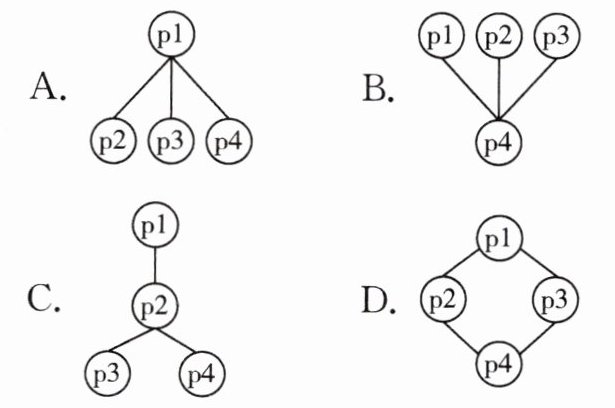
【任务三 探究文章主旨】
5. What's the best title for the passage? (
A. Foreigners' Presents
B. Giving Flowers as Presents
C. Different Customs in Giving Presents
D. Don't Give Thirteen of Anything
as Presents
【任务四 迁移拓展】
6. What will you do if you want to send a
present to your foreign pen pal?
When we visit a foreign country, it's
important to know its customs. Different
countries have different customs in giving
presents. How should we do it properly?
Always remember: ▲
In China, you must never give a clock
to a Chinese person, because the
pronunciation of the word "clock" is similar
to that of "death" in Chinese. Also, don't
wrap a present in white or black paper,
because these are the colours for funerals
(葬礼). Don't give a knife, because Chinese
people think something sharp can cut a
relationship.
In Russia, if we give flowers as a
present, we have to give odd numbers of
them (one, three, five, etc.), because even
numbers of flowers (two, four, six, etc.)
are for funerals.
In Germany, flowers are a good
present to take to your dinner hostess, but
don't take her red roses because it means
you are in love with her. Don't take thirteen
of anything because it's an unlucky number.
Don't take an even number of anything
either. Don't wrap your present in white,
brown or black paper.
【任务一 理解文章内容】
1. What's important when you visit a
foreign country?
Knowing the customs of the country (is important).
2. Which of the following can be put in
"▲" in paragraph 1? (
D
)A. Knowledge is power!
B. East or west, home is best!
C. Never give up easily!
D. When in Rome, do as the Romans
do!
3. What presents can't you give to your
Chinese friends in China? Tick "√" in
the box.
□ a clock
□ a book wrapped in white
□ 10 red roses
□ a beautiful card
□ a knife
【任务二 理清文章结构】
4. How is the passage structured? (
A
)【任务三 探究文章主旨】
5. What's the best title for the passage? (
C
)A. Foreigners' Presents
B. Giving Flowers as Presents
C. Different Customs in Giving Presents
D. Don't Give Thirteen of Anything
as Presents
【任务四 迁移拓展】
6. What will you do if you want to send a
present to your foreign pen pal?
I will search online and find out what presents are good, and understand the meanings of different colours and numbers. This will help me choose the right present.
答案
1. Knowing the customs of the country (is important).
2. D
3.
 a clock
 a book wrapped in white
 10 red roses
 a beautiful card
 a knife
4. A
5. C
6. I will search online and find out what presents are good, and understand the meanings of different colours and numbers. This will help me choose the right present.
解析
【分析】
本题是关于不同国家送礼习俗的阅读理解题,解题思路为:先通读全文把握主旨,再针对各小题回到原文定位关键信息:1. 细节题,查找开头提到的重要内容;2. 句子还原题,结合上下文“不同国家有不同送礼习俗”,选择体现“入乡随俗”的句子;3. 细节题,定位中国送礼禁忌的内容;4. 文章结构题,分析段落间的逻辑关系;5. 主旨题,总结全文核心内容;6. 开放题,结合文章习俗给出合理做法。
【解析】
1. 根据原文第一段第一句“When we visit a foreign country, it's important to know its customs.”可知,重要的是知道该国的习俗。
2. 前文提到不同国家送礼习俗不同,因此需遵循当地习俗,“When in Rome, do as the Romans do!”(入乡随俗)符合语境,A选项“知识就是力量”、B选项“金窝银窝不如自己的狗窝”、C选项“永不放弃”均不符合,故选D。
3. 原文中国部分明确提到:不能送clock(发音类似“死亡”)、不能用white纸包装礼物、不能送knife(会切断关系),因此需在a clock、a book wrapped in white、a knife前打勾。
4. 文章为总-分结构:第一段总述不同国家送礼习俗不同,后续分别介绍中国、俄罗斯、德国的送礼禁忌,对应选项A的结构(p1总述,p2、p3、p4分述),故选A。
5. 全文围绕不同国家的送礼习俗展开,核心是介绍各国送礼的不同规矩,因此最佳标题为“Different Customs in Giving Presents”,故选C。
6. 结合文章中不同国家的送礼禁忌,可回答:I will search online to learn about the local customs of giving presents in the foreign country, including the meanings of different numbers, colors and types of gifts, so that I can choose a proper present.
【答案】
1. Knowing the customs of the country (is important).
2. D
3. a clock
a book wrapped in white
a knife
4. A
5. C
6. I will search online and find out what presents are good, and understand the meanings of different colours and numbers. This will help me choose the right present.
【知识点】
阅读理解、文化习俗、细节理解
【点评】
本题围绕不同国家的送礼习俗展开,考查学生的细节查找、句子还原、文章结构分析及主旨归纳能力,需要学生准确理解原文信息,难度适中,有助于培养跨文化交际意识。
【难度系数】
0.6
本题是关于不同国家送礼习俗的阅读理解题,解题思路为:先通读全文把握主旨,再针对各小题回到原文定位关键信息:1. 细节题,查找开头提到的重要内容;2. 句子还原题,结合上下文“不同国家有不同送礼习俗”,选择体现“入乡随俗”的句子;3. 细节题,定位中国送礼禁忌的内容;4. 文章结构题,分析段落间的逻辑关系;5. 主旨题,总结全文核心内容;6. 开放题,结合文章习俗给出合理做法。
【解析】
1. 根据原文第一段第一句“When we visit a foreign country, it's important to know its customs.”可知,重要的是知道该国的习俗。
2. 前文提到不同国家送礼习俗不同,因此需遵循当地习俗,“When in Rome, do as the Romans do!”(入乡随俗)符合语境,A选项“知识就是力量”、B选项“金窝银窝不如自己的狗窝”、C选项“永不放弃”均不符合,故选D。
3. 原文中国部分明确提到:不能送clock(发音类似“死亡”)、不能用white纸包装礼物、不能送knife(会切断关系),因此需在a clock、a book wrapped in white、a knife前打勾。
4. 文章为总-分结构:第一段总述不同国家送礼习俗不同,后续分别介绍中国、俄罗斯、德国的送礼禁忌,对应选项A的结构(p1总述,p2、p3、p4分述),故选A。
5. 全文围绕不同国家的送礼习俗展开,核心是介绍各国送礼的不同规矩,因此最佳标题为“Different Customs in Giving Presents”,故选C。
6. 结合文章中不同国家的送礼禁忌,可回答:I will search online to learn about the local customs of giving presents in the foreign country, including the meanings of different numbers, colors and types of gifts, so that I can choose a proper present.
【答案】
1. Knowing the customs of the country (is important).
2. D
3.
a clock a book wrapped in white a knife4. A
5. C
6. I will search online and find out what presents are good, and understand the meanings of different colours and numbers. This will help me choose the right present.
【知识点】
阅读理解、文化习俗、细节理解
【点评】
本题围绕不同国家的送礼习俗展开,考查学生的细节查找、句子还原、文章结构分析及主旨归纳能力,需要学生准确理解原文信息,难度适中,有助于培养跨文化交际意识。
【难度系数】
0.6
