

 登录
登录
四、综合填空
阅读下面短文,在空白处根据所给首字母填入一个单词或括号内单词的正确形式。
The Beijing Central Axis (中轴线) shows traditional Chinese ideas for city planning. People all have backbones (脊梁), and so does Beijing. Its "backbone" is the central axis, and the line smartly 1 (organize) buildings in the city.
In July, the Beijing Central Axis was added to the UNESCO World Heritage (遗产) List, becoming 2 (China) 59th World Heritage Site. The Beijing Central Axis has a group of 3 (build) and historical sites that shape Beijing's old city. This axis is 7.8 4 (kilometre) long, running from north to south in central Beijing. It includes (包含) 15 key parts, such as the Bell and Drum Towers in the north and Yongdingmen Gate in the s 5 .
The building of the Beijing Central Axis started in the Yuan Dynasty (1271-1368) and continued during the Ming and Qing dynasties (1368-1911). It still (仍然) plays a great r 6 in Beijing's history today.
According to Lyu Zhou, director of the National Heritage Center at Tsinghua University, the idea behind the Beijing Central Axis dates f 7 221 BC, which is about how to plan a c 8 city.
The Beijing Central Axis shows the 9 (tradition) Chinese ideas of "centrality" and "harmony" (和谐). For example, the royal palace was placed at the center 10 (show) the greatest power (权力), with other important buildings placed around it to create a feeling of harmony.
1.
6.
阅读下面短文,在空白处根据所给首字母填入一个单词或括号内单词的正确形式。
The Beijing Central Axis (中轴线) shows traditional Chinese ideas for city planning. People all have backbones (脊梁), and so does Beijing. Its "backbone" is the central axis, and the line smartly 1 (organize) buildings in the city.
In July, the Beijing Central Axis was added to the UNESCO World Heritage (遗产) List, becoming 2 (China) 59th World Heritage Site. The Beijing Central Axis has a group of 3 (build) and historical sites that shape Beijing's old city. This axis is 7.8 4 (kilometre) long, running from north to south in central Beijing. It includes (包含) 15 key parts, such as the Bell and Drum Towers in the north and Yongdingmen Gate in the s 5 .
The building of the Beijing Central Axis started in the Yuan Dynasty (1271-1368) and continued during the Ming and Qing dynasties (1368-1911). It still (仍然) plays a great r 6 in Beijing's history today.
According to Lyu Zhou, director of the National Heritage Center at Tsinghua University, the idea behind the Beijing Central Axis dates f 7 221 BC, which is about how to plan a c 8 city.
The Beijing Central Axis shows the 9 (tradition) Chinese ideas of "centrality" and "harmony" (和谐). For example, the royal palace was placed at the center 10 (show) the greatest power (权力), with other important buildings placed around it to create a feeling of harmony.
1.
organizes
2. China's
3. buildings
4. kilometres
5. south
6.
role
7. from
8. capital
9. traditional
10. to show
答案
1. organizes 2. China's 3. buildings 4. kilometres
5. south 6. role 7. from 8. capital
9. traditional 10. to show
5. south 6. role 7. from 8. capital
9. traditional 10. to show
解析
【分析】
这是一篇结合文化热点的综合填空题,解题思路可以按三步走:第一步先通读全文,明确短文介绍的是北京中轴线的相关背景,整体时态以一般现在时为主,理清上下文的逻辑对应关系;第二步逐个分析空格:如果是给出提示词的,先判断空格需要的词性、时态、单复数等变形规则,如果是给首字母的,先结合上下文语义联想对应的常用单词,再验证是否符合固定搭配和语境;第三步代入所有答案通读检查,确认语义通顺、语法正确。
【解析】
1. 空格处作谓语,主语the line是第三人称单数,全文为一般现在时,所以动词organize变为第三人称单数形式organizes。
2. 空格后是名词短语“第59处世界遗产”,需要表达所属关系“中国的”,用名词所有格China's。
3. 短语a group of后接可数名词复数,动词build对应的名词是building,复数形式为buildings。
4. 空格前的数词是7.8,大于1,可数名词kilometre要变为复数形式kilometres。
5. 前文提到中轴线北端的钟鼓楼,对应南端的永定门,和north对应,首字母为s,填入south。
6. 固定搭配play a great role in表示“在……中发挥重要作用”,符合语境,首字母为r,填入role。
7. 固定搭配date from表示“追溯到”,符合语境,首字母为f,填入from。
8. 语境表达“规划首都城市”,capital city是常用表达“首都城市”,首字母为c,填入capital。
9. 空格后是名词ideas,需要用形容词修饰名词,名词tradition的形容词形式是traditional。
10. 此处用不定式作目的状语,表达“把皇宫放在中心位置来彰显最高权力”的含义,填入to show。
【答案】
1. organizes 2. China's 3. buildings 4. kilometres
5. south 6. role 7. from 8. capital
9. traditional 10. to show
【知识点】
词性转换,固定搭配,名词所有格
【点评】
本题以北京中轴线申遗成功为背景,既考察初中英语基础的词法、句法知识点,又融入了中国传统文化相关的常识,题目难度梯度平缓,学生只要掌握基础变形规则、积累常见固定短语,结合上下文语境推导就可以顺利完成,同时也能加深对文化遗产相关内容的了解。
【难度系数】
0.7
这是一篇结合文化热点的综合填空题,解题思路可以按三步走:第一步先通读全文,明确短文介绍的是北京中轴线的相关背景,整体时态以一般现在时为主,理清上下文的逻辑对应关系;第二步逐个分析空格:如果是给出提示词的,先判断空格需要的词性、时态、单复数等变形规则,如果是给首字母的,先结合上下文语义联想对应的常用单词,再验证是否符合固定搭配和语境;第三步代入所有答案通读检查,确认语义通顺、语法正确。
【解析】
1. 空格处作谓语,主语the line是第三人称单数,全文为一般现在时,所以动词organize变为第三人称单数形式organizes。
2. 空格后是名词短语“第59处世界遗产”,需要表达所属关系“中国的”,用名词所有格China's。
3. 短语a group of后接可数名词复数,动词build对应的名词是building,复数形式为buildings。
4. 空格前的数词是7.8,大于1,可数名词kilometre要变为复数形式kilometres。
5. 前文提到中轴线北端的钟鼓楼,对应南端的永定门,和north对应,首字母为s,填入south。
6. 固定搭配play a great role in表示“在……中发挥重要作用”,符合语境,首字母为r,填入role。
7. 固定搭配date from表示“追溯到”,符合语境,首字母为f,填入from。
8. 语境表达“规划首都城市”,capital city是常用表达“首都城市”,首字母为c,填入capital。
9. 空格后是名词ideas,需要用形容词修饰名词,名词tradition的形容词形式是traditional。
10. 此处用不定式作目的状语,表达“把皇宫放在中心位置来彰显最高权力”的含义,填入to show。
【答案】
1. organizes 2. China's 3. buildings 4. kilometres
5. south 6. role 7. from 8. capital
9. traditional 10. to show
【知识点】
词性转换,固定搭配,名词所有格
【点评】
本题以北京中轴线申遗成功为背景,既考察初中英语基础的词法、句法知识点,又融入了中国传统文化相关的常识,题目难度梯度平缓,学生只要掌握基础变形规则、积累常见固定短语,结合上下文语境推导就可以顺利完成,同时也能加深对文化遗产相关内容的了解。
【难度系数】
0.7
五、阅读表达
阅读下面的短文,然后根据短文内容回答问题。注意:每题答案不超过8个单词。
Huishan clay figurines (惠山泥人) are made in the western area of Wuxi, Jiangsu Province, and are one of China's most famous traditional arts, having a history dating back over a thousand years.
The craft (工艺) started from the Southern Dynasties (朝代) and reached its peak in the Qing Dynasty. During the Qing Dynasty, an artist made five clay figurines for Emperor Qianlong (1711-1799) and Qianlong really liked them.
Huishan figurines differ from those of other local clay figurines, because they are always small with a big head. There are two types of Huishan clay figurines—mold-pressed (模具成型的) and hand-crafted (手工制作的). The molded figures is much cheaper and many children like to play them as toys while the hand-crafted ones are finer and more special.
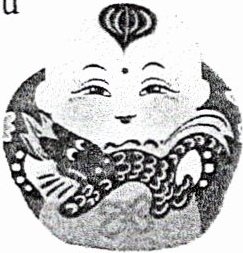
The characters of Huishan figurines come largely from legends (传说) and Chinese operas. Da A Fu, a cute boy holding a fish, is the most popular figure in Huishan clay art. The legend goes that long, long ago, a boy who is a god in fact, beat a lion and saved the children in Huishan.
To show thanks to him, local people started to make clay figures of Da A Fu. One-third of the figures is taken up by Da A Fu's large head, with a face round as a full moon and big ears reaching down to his shoulders. People believe that Da A Fu can bring us happiness and good luck.
1. When did Huishan clary figurines start?
2. Why are Huishan clay figurines different from others?
3. How many types of Huishan clay figurines are there?
4. Who is the most popular figure in Huishan clay art?
5. What do you think of Huishan clay figurines?
阅读下面的短文,然后根据短文内容回答问题。注意:每题答案不超过8个单词。
Huishan clay figurines (惠山泥人) are made in the western area of Wuxi, Jiangsu Province, and are one of China's most famous traditional arts, having a history dating back over a thousand years.
The craft (工艺) started from the Southern Dynasties (朝代) and reached its peak in the Qing Dynasty. During the Qing Dynasty, an artist made five clay figurines for Emperor Qianlong (1711-1799) and Qianlong really liked them.
Huishan figurines differ from those of other local clay figurines, because they are always small with a big head. There are two types of Huishan clay figurines—mold-pressed (模具成型的) and hand-crafted (手工制作的). The molded figures is much cheaper and many children like to play them as toys while the hand-crafted ones are finer and more special.
The characters of Huishan figurines come largely from legends (传说) and Chinese operas. Da A Fu, a cute boy holding a fish, is the most popular figure in Huishan clay art. The legend goes that long, long ago, a boy who is a god in fact, beat a lion and saved the children in Huishan.
To show thanks to him, local people started to make clay figures of Da A Fu. One-third of the figures is taken up by Da A Fu's large head, with a face round as a full moon and big ears reaching down to his shoulders. People believe that Da A Fu can bring us happiness and good luck.
1. When did Huishan clary figurines start?
From the Southern Dynasties.
2. Why are Huishan clay figurines different from others?
Because they're always small with a big head.
3. How many types of Huishan clay figurines are there?
Two.
4. Who is the most popular figure in Huishan clay art?
Da A Fu.
5. What do you think of Huishan clay figurines?
They are a wonderful art.(答案不唯一,言之有理即可)
答案
1. From the Southern Dynasties.
2. Because they're always small with a big head.
3. Two.
4. Da A Fu.
5. They are a wonderful art.(答案不唯一,言之有理即可)
2. Because they're always small with a big head.
3. Two.
4. Da A Fu.
5. They are a wonderful art.(答案不唯一,言之有理即可)
解析
【分析】
这是一篇介绍惠山泥人的英语阅读简答题,解题思路很清晰:首先通读题干明确每个问题的询问方向,再带着问题回到原文精准定位对应语句,提取符合要求的信息,同时严格遵守题干要求的“每题答案不超过8个单词”的规则,不要冗余作答。其中前4道都是细节查找题,直接从原文对应位置就能找到现成答案,最后一道是开放题,只要给出符合常识的正面评价、字数达标即可。
【解析】
1. 定位原文第二段首句"The craft (工艺) started from the Southern Dynasties",直接提取对应的时间信息作答,符合字数限制。
2. 定位原文第三段首句"Huishan figurines differ from those of other local clay figurines, because they are always small with a big head",直接提取对应的原因内容作答,字数符合要求。
3. 定位原文第三段第二句"There are two types of Huishan clay figurines",直接提取类型数量作答即可。
4. 定位原文第四段第二句"Da A Fu, a cute boy holding a fish, is the most popular figure in Huishan clay art",直接提取核心形象名称作答。
5. 本题为开放性试题,只要表述正向、符合对传统民间艺术的评价,字数不超过8词,言之有理即可得分。
【答案】
1. From the Southern Dynasties.
2. Because they're always small with a big head.
3. Two.
4. Da A Fu.
5. They are a wonderful art.(答案不唯一,言之有理即可)
【知识点】
阅读细节定位,英语简答,传统民间文化
【点评】
本题选材贴合中国传统文化,前四道题均为原文可直接找到答案的基础细节题,难度很低,最后一道开放题引导学生感知传统工艺的魅力,答题时注意控制答案词数不超过8个,避免多余表述即可轻松得分。
【难度系数】
0.8
这是一篇介绍惠山泥人的英语阅读简答题,解题思路很清晰:首先通读题干明确每个问题的询问方向,再带着问题回到原文精准定位对应语句,提取符合要求的信息,同时严格遵守题干要求的“每题答案不超过8个单词”的规则,不要冗余作答。其中前4道都是细节查找题,直接从原文对应位置就能找到现成答案,最后一道是开放题,只要给出符合常识的正面评价、字数达标即可。
【解析】
1. 定位原文第二段首句"The craft (工艺) started from the Southern Dynasties",直接提取对应的时间信息作答,符合字数限制。
2. 定位原文第三段首句"Huishan figurines differ from those of other local clay figurines, because they are always small with a big head",直接提取对应的原因内容作答,字数符合要求。
3. 定位原文第三段第二句"There are two types of Huishan clay figurines",直接提取类型数量作答即可。
4. 定位原文第四段第二句"Da A Fu, a cute boy holding a fish, is the most popular figure in Huishan clay art",直接提取核心形象名称作答。
5. 本题为开放性试题,只要表述正向、符合对传统民间艺术的评价,字数不超过8词,言之有理即可得分。
【答案】
1. From the Southern Dynasties.
2. Because they're always small with a big head.
3. Two.
4. Da A Fu.
5. They are a wonderful art.(答案不唯一,言之有理即可)
【知识点】
阅读细节定位,英语简答,传统民间文化
【点评】
本题选材贴合中国传统文化,前四道题均为原文可直接找到答案的基础细节题,难度很低,最后一道开放题引导学生感知传统工艺的魅力,答题时注意控制答案词数不超过8个,避免多余表述即可轻松得分。
【难度系数】
0.8
