

 登录
Managing money well
The Amazing Journey of Money
Read & answer: How did money change over time?
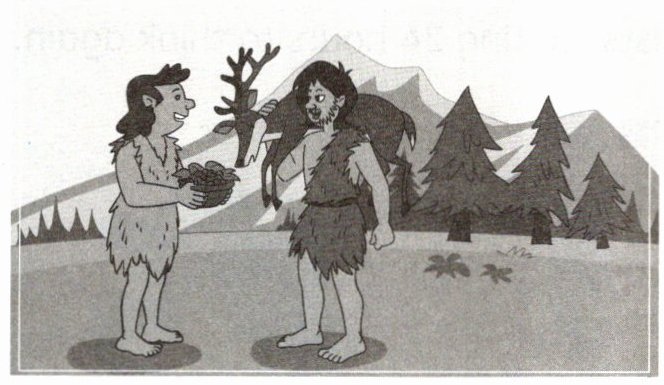
Long long ago, there were no coins or paper money in the world. People did not buy things with money. They exchanged food, clothes and tools for what they needed. This was the earliest form of trade.
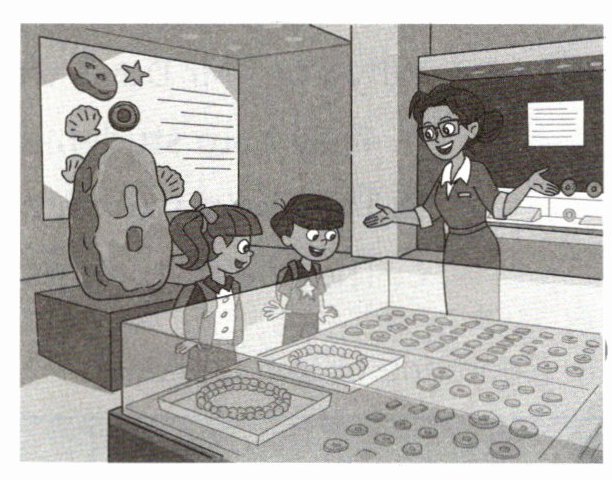
Many countries used special and strange money in ancient times. People on a faraway Pacific island used big, heavy stones as money. The stones were too large to move. In ancient Africa, people used shells and salt as money. In ancient Europe, people used small metal pieces as coins. This was the beginning of real coins.
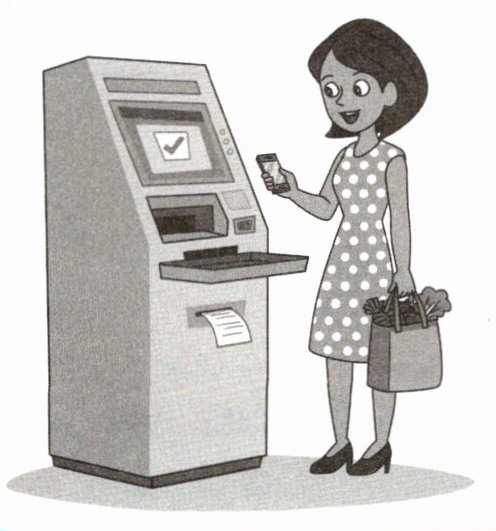
Later, people invented paper money because it was easy to carry. We still use paper money today. Besides paper money, we also have some modern payment ways, such as bank cards, bankbooks and cheques. Nowadays, e-payment is more and more popular. We can pay with mobile phones. It is quick and easy.
Money has changed a lot over the years. But one truth never changes: money is very important at all times. Everyone should learn to manage money well. We should treasure every coin, make a good spending plan and use money wisely.
Ⅰ. Read and choose. 读一读,选出正确的答案。
(
A. Salt and shells. B. Paper money.
C. Big stones.
(
A. Because it was easy to carry.
B. Because it was beautiful.
C. Because stones were too heavy.
(
A. It is the earliest form of trade.
B. It is very cheap.
C. It is quick and easy.
Ⅱ. Read and tick or cross. 读一读,判断对(√)错(×)。
(
(
(
Ⅲ. Read and number. 读一读,按照出现的时间先后给下列事物排序。
(
(
Ⅳ. Think and write. 想一想,写一写。
What modern payment ways do you use now? Write two ways.
1. I often use
2.
The Amazing Journey of Money
Read & answer: How did money change over time?
Long long ago, there were no coins or paper money in the world. People did not buy things with money. They exchanged food, clothes and tools for what they needed. This was the earliest form of trade.
Many countries used special and strange money in ancient times. People on a faraway Pacific island used big, heavy stones as money. The stones were too large to move. In ancient Africa, people used shells and salt as money. In ancient Europe, people used small metal pieces as coins. This was the beginning of real coins.
Later, people invented paper money because it was easy to carry. We still use paper money today. Besides paper money, we also have some modern payment ways, such as bank cards, bankbooks and cheques. Nowadays, e-payment is more and more popular. We can pay with mobile phones. It is quick and easy.
Money has changed a lot over the years. But one truth never changes: money is very important at all times. Everyone should learn to manage money well. We should treasure every coin, make a good spending plan and use money wisely.
Ⅰ. Read and choose. 读一读,选出正确的答案。
(
A
) 1. What did people in ancient Africa use as money?A. Salt and shells. B. Paper money.
C. Big stones.
(
A
) 2. Why did people invent paper money?A. Because it was easy to carry.
B. Because it was beautiful.
C. Because stones were too heavy.
(
C
) 3. What is the advantage of e-payment?A. It is the earliest form of trade.
B. It is very cheap.
C. It is quick and easy.
Ⅱ. Read and tick or cross. 读一读,判断对(√)错(×)。
(
×
) 1. People used big stones as money because they were easy to carry.(
√
) 2. E-payment is becoming more and more popular nowadays.(
√
) 3. Money has changed, but its importance has not changed.Ⅲ. Read and number. 读一读,按照出现的时间先后给下列事物排序。
(
5
) e-payment (1
) exchanging things (4
) paper money(
3
) metal coins (2
) stones/shell moneyⅣ. Think and write. 想一想,写一写。
What modern payment ways do you use now? Write two ways.
1. I often use
mobile phone
to pay. It is convenient
.2.
I sometimes use a bank card to pay. It is safe.
答案
1. A 2. A 3. C
1. × 2. √ 3. √
5 1 4 3 2
1. mobile phone, convenient 2. I sometimes use a bank card to pay. It is safe.
解析
【分析】
首先通读全文,明确各题型考查方向:选择题需定位原文对应细节;判断题需核对原文陈述与题干是否一致;排序题需梳理事物出现的时间先后;书面表达需结合现代支付方式的实际例子作答。解题时需精准定位原文信息,避免主观臆断。
【解析】
Ⅰ. Read and choose.
1. 定位原文第二段“In ancient Africa, people used shells and salt as money”,可知答案为A。
2. 定位原文第三段“Later, people invented paper money because it was easy to carry”,可知答案为A。
3. 定位原文第三段“Nowadays, e-payment is more and more popular. We can pay with mobile phones. It is quick and easy”,可知答案为C。
Ⅱ. Read and tick or cross.
1. 原文提到“People on a faraway Pacific island used big, heavy stones as money. The stones were too large to move”,题干“easy to carry”与原文不符,故打×。
2. 原文明确“e-payment is more and more popular”,题干表述正确,故打√。
3. 原文提到“But one truth never changes: money is very important at all times”,题干表述正确,故打√。
Ⅲ. Read and number.
梳理时间顺序:exchanging things(最早的物物交换)→ stones/shell money(古代特殊货币)→ metal coins(古代欧洲硬币)→ paper money(后来的纸币)→ e-payment(现代电子支付),对应题干事物排序为5 1 4 3 2。
Ⅳ. Think and write. 结合现代常见支付方式,仿照例句作答,符合语法与语境即可。
【答案】
1. A 2. A 3. C
1. × 2. √ 3. √
5 1 4 3 2
1. mobile phone, convenient 2. I sometimes use a bank card to pay. It is safe.
【知识点】
阅读理解细节理解;阅读理解判断正误;书面表达
【点评】
本题围绕货币发展主题,涵盖多种题型,考查学生信息提取与语言运用能力,难度适中,贴近生活实际。
【难度系数】
0.7
