

 登录
登录
Week 5
Saturday 短文填空
主题: 人与动物
语篇类型: 记叙文
词数: 178
难度: ■■■■
建议用时: 9分钟
答案页码: P14
文章音频
阅读短文,从下面的框中选择合适的单词,并用其正确形式填空。
before, well, and, sick, come, few, be, call, visitor, popular
There are some cats living on the Great Wall, especially at Mutianyu Great Wall. People
There were no "Great Wall cats" at Mutianyu Great Wall
Workers at Mutianyu Great Wall look after the cats
Now the Great Wall cats are very
1
6
Saturday 短文填空
主题: 人与动物
语篇类型: 记叙文
词数: 178
难度: ■■■■
建议用时: 9分钟
答案页码: P14
文章音频
阅读短文,从下面的框中选择合适的单词,并用其正确形式填空。
before, well, and, sick, come, few, be, call, visitor, popular
There are some cats living on the Great Wall, especially at Mutianyu Great Wall. People
call
them "Great Wall cats".There were no "Great Wall cats" at Mutianyu Great Wall
before
. In the 1990s, some stray (流浪的) cats came
here. Later, there were more and more visitors. With stable (稳定的) food from them and few
natural predators (捕食者), more cats stayed there. Now there are
about 20 cats at Mutianyu Great Wall.Workers at Mutianyu Great Wall look after the cats
well
. They built a "Great Wall Cats' Home" and gave them food and
water. They also help hurt or sick
cats. They set up fixed (固定的) feeding spots away from the Great Wall's historic structures too. And they ask visitors
not to feed them casually (随意地) or chase them.Now the Great Wall cats are very
popular
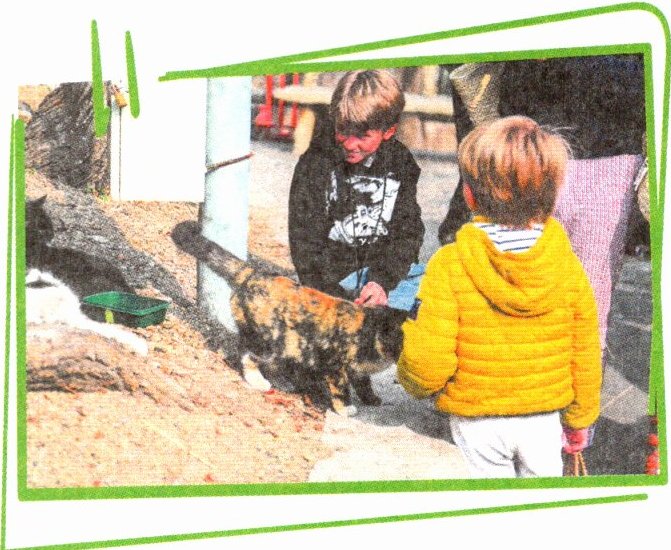
. Many people like them and go to the Great Wall to visit them. They enjoy playing with these furry friends very much.1
call
2 before
3 came
4 few
5 are
6
well
7 and
8 sick
9 visitors
10 popular
答案
Saturday 短文填空
本文介绍了慕田峪长城上“长城猫”的由来、生存现状,以及工作人员对它们的照料与保护。如今,“长城猫”深受游客喜爱,景区也呼吁大家文明、友善地对待这些可爱的“长城居民”。
1. call 该句意为:人们把它们(生活在长城上的猫)称为“长城猫”。此处描述一般事实,应用一般现在时,主语People是复数,谓语动词用原形,故填call,意为“把……称为……”。
2. before 由There were no “Great Wall cats”以及In the 1990s, some stray cats可知,此处存在时间对比,故填before,意为“以前”。
3. came 由In the 1990s, some stray cats...here以及后文提到的Now...about 20 cats at Mutianyu Great Wall.可知,此处是指在20世纪90年代,一些流浪猫来到了这里。In the 1990s是表示过去的时间,故谓语动词用过去式,填came。
4. few 结合语境可知,流浪猫能生存的原因是“食物稳定且天敌很少”,故填few,意为“很少的”。
5. are 此处是there be句型,其中be动词有单复数和时态的变化。be动词的单复数由离它最近的名词决定。由该句中的Now和about 20 cats可知,填are。
6. well 由后文They built a “Great Wall Cats’ Home” and gave them food...water. They also help hurt or...cats. They set up fixed feeding spots... 可知,慕田峪长城的工作人员把这些猫照顾得很好,填well。
7. and food和water是并列的名词,用and连接。
8. sick hurt意为“受伤的”,or表示并列,所以要填和“受伤的”同类的词。根据上下文可知,填sick,意为“生病的”。
9. visitors 根据上下文可知,they指代工作人员,他们要求的对象应是“游客”,用复数表示泛指,故填visitors。
10. popular 由后文Many people like them and go to the Great Wall to visit them. 可知,“长城猫”特别受欢迎,故填popular,意为“受欢迎的”。
难句分析
There are some cats living on the Great Wall, especially at Mutianyu Great Wall. 长城上生活着一些猫,尤其是在慕田峪长城。
There be句型意为“有”,be动词的单复数由离它最近的名词决定。living on the Great Wall意为“生活在长城上的”,是现在分词短语作定语,修饰cats。at Mutianyu Great Wall是介词短语,作地点状语,对前文进行补充说明。
本文介绍了慕田峪长城上“长城猫”的由来、生存现状,以及工作人员对它们的照料与保护。如今,“长城猫”深受游客喜爱,景区也呼吁大家文明、友善地对待这些可爱的“长城居民”。
1. call 该句意为:人们把它们(生活在长城上的猫)称为“长城猫”。此处描述一般事实,应用一般现在时,主语People是复数,谓语动词用原形,故填call,意为“把……称为……”。
2. before 由There were no “Great Wall cats”以及In the 1990s, some stray cats可知,此处存在时间对比,故填before,意为“以前”。
3. came 由In the 1990s, some stray cats...here以及后文提到的Now...about 20 cats at Mutianyu Great Wall.可知,此处是指在20世纪90年代,一些流浪猫来到了这里。In the 1990s是表示过去的时间,故谓语动词用过去式,填came。
4. few 结合语境可知,流浪猫能生存的原因是“食物稳定且天敌很少”,故填few,意为“很少的”。
5. are 此处是there be句型,其中be动词有单复数和时态的变化。be动词的单复数由离它最近的名词决定。由该句中的Now和about 20 cats可知,填are。
6. well 由后文They built a “Great Wall Cats’ Home” and gave them food...water. They also help hurt or...cats. They set up fixed feeding spots... 可知,慕田峪长城的工作人员把这些猫照顾得很好,填well。
7. and food和water是并列的名词,用and连接。
8. sick hurt意为“受伤的”,or表示并列,所以要填和“受伤的”同类的词。根据上下文可知,填sick,意为“生病的”。
9. visitors 根据上下文可知,they指代工作人员,他们要求的对象应是“游客”,用复数表示泛指,故填visitors。
10. popular 由后文Many people like them and go to the Great Wall to visit them. 可知,“长城猫”特别受欢迎,故填popular,意为“受欢迎的”。
难句分析
There are some cats living on the Great Wall, especially at Mutianyu Great Wall. 长城上生活着一些猫,尤其是在慕田峪长城。
There be句型意为“有”,be动词的单复数由离它最近的名词决定。living on the Great Wall意为“生活在长城上的”,是现在分词短语作定语,修饰cats。at Mutianyu Great Wall是介词短语,作地点状语,对前文进行补充说明。
解析
【分析】
解题思路:1. 通读全文,明确文章主题是介绍慕田峪长城“长城猫”的由来、生存现状及工作人员的照料情况;2. 逐句分析每个空格的语境、时态、语法结构(如主谓一致、并列关系、词性等);3. 从给定方框单词中选择符合语境的词,再根据语法规则调整形式(如动词过去式、名词复数等);4. 代入验证,确保语句通顺、逻辑合理。
【解析】
1. 句子描述一般事实,意为“人们把它们称为‘长城猫’”,主语people是复数,谓语动词用原形,故填call。
2. 由后文“20世纪90年代流浪猫到来”可知,此处指“以前没有长城猫”,故填before。
3. 时间状语“In the 1990s”表过去,需用动词过去式,come的过去式是came,故填came。
4. 结合语境,流浪猫生存需要“食物稳定且天敌少”,few表示“很少的”,符合语义,故填few。
5. 此处是there be句型,now表现在,主语“20 cats”是复数,be动词用are,故填are。
6. 此处修饰动词短语“look after”,需用副词,well作副词表“很好地”,符合语境,故填well。
7. “food”和“water”是并列名词,用并列连词and连接,故填and。
8. or连接并列形容词,hurt(受伤的)对应sick(生病的),符合语境,故填sick。
9. 工作人员要求的对象是“游客”,用复数表泛指,visitor的复数是visitors,故填visitors。
10. 由后文“很多人喜欢它们”可知,“长城猫”很受欢迎,故填popular。
【答案】
1. call 2. before 3. came 4. few 5. are 6. well 7. and 8. sick 9. visitors 10. popular
【知识点】
词汇运用、时态辨析、there be句型
【点评】
本题以“人与动物”为主题,通过记叙文形式考查短文填空,注重词汇在语境中的运用,同时涉及基础语法(时态、并列结构等),贴近生活,难度适中。
【难度系数】
0.5
解题思路:1. 通读全文,明确文章主题是介绍慕田峪长城“长城猫”的由来、生存现状及工作人员的照料情况;2. 逐句分析每个空格的语境、时态、语法结构(如主谓一致、并列关系、词性等);3. 从给定方框单词中选择符合语境的词,再根据语法规则调整形式(如动词过去式、名词复数等);4. 代入验证,确保语句通顺、逻辑合理。
【解析】
1. 句子描述一般事实,意为“人们把它们称为‘长城猫’”,主语people是复数,谓语动词用原形,故填call。
2. 由后文“20世纪90年代流浪猫到来”可知,此处指“以前没有长城猫”,故填before。
3. 时间状语“In the 1990s”表过去,需用动词过去式,come的过去式是came,故填came。
4. 结合语境,流浪猫生存需要“食物稳定且天敌少”,few表示“很少的”,符合语义,故填few。
5. 此处是there be句型,now表现在,主语“20 cats”是复数,be动词用are,故填are。
6. 此处修饰动词短语“look after”,需用副词,well作副词表“很好地”,符合语境,故填well。
7. “food”和“water”是并列名词,用并列连词and连接,故填and。
8. or连接并列形容词,hurt(受伤的)对应sick(生病的),符合语境,故填sick。
9. 工作人员要求的对象是“游客”,用复数表泛指,visitor的复数是visitors,故填visitors。
10. 由后文“很多人喜欢它们”可知,“长城猫”很受欢迎,故填popular。
【答案】
1. call 2. before 3. came 4. few 5. are 6. well 7. and 8. sick 9. visitors 10. popular
【知识点】
词汇运用、时态辨析、there be句型
【点评】
本题以“人与动物”为主题,通过记叙文形式考查短文填空,注重词汇在语境中的运用,同时涉及基础语法(时态、并列结构等),贴近生活,难度适中。
【难度系数】
0.5
