

 登录
五、Read and choose. 秋天到了,Lisa 和 Jiaming 在教室里分享自己喜欢的季节活动。从方框中选择合适的句子补全对话。
Lisa: Hey, Jiaming! Would you like an apple?
Jiaming: Yes, please. Oh, it's sweet. 1.
Lisa: I picked it in a fruit garden. I often pick fruit in autumn.
Jiaming: Oh, that sounds great!
Lisa: 2.
Jiaming: I like to go for walks with my parents on autumn nights. 3.
Lisa: That's great! What do you like to do in winter?
Jiaming: 4.
Lisa: I don't like cold days. I like spring. 5.
Jiaming: Sounds wonderful! Let's plant trees and flowers together next spring!
Lisa: Good idea!
Lisa: Hey, Jiaming! Would you like an apple?
Jiaming: Yes, please. Oh, it's sweet. 1.
C
Lisa: I picked it in a fruit garden. I often pick fruit in autumn.
Jiaming: Oh, that sounds great!
Lisa: 2.
A
Jiaming: I like to go for walks with my parents on autumn nights. 3.
E
The wind is cool. It feels really nice.Lisa: That's great! What do you like to do in winter?
Jiaming: 4.
B
It's fun to play in the snow.Lisa: I don't like cold days. I like spring. 5.
D
Jiaming: Sounds wonderful! Let's plant trees and flowers together next spring!
Lisa: Good idea!
答案
1. C 2. A 3. E 4. B 5. D
六、Read and complete. 阅读短文,完成下列任务。
Four seasons in Harbin
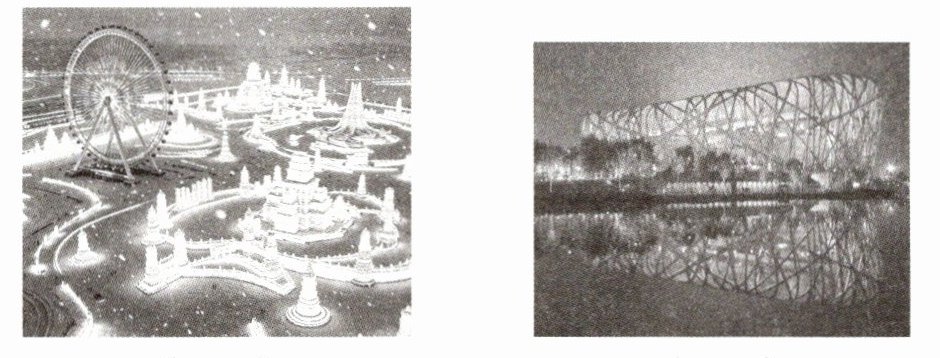
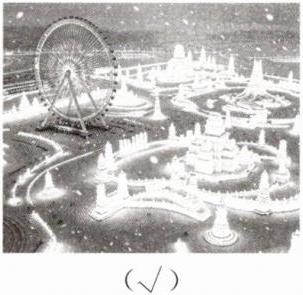
Harbin has four seasons in a year. Each one has its own special beauty. Spring is warm. Sometimes there is light wind. People love seeing flowers and going on outings. They also enjoy flying kites in the park. Summer is hot and rainy. It's a great time to go swimming and have picnics. Eating ice cream is also a fun choice to keep you cool. Autumn is cool and comfortable. Many people go for walks and take photos in the park. Kids like picking colourful leaves and picking fruit on the farm too. Winter is very cold and snowy. Ice skating and skiing bring lots of joy. Playing with snow and making big snowmen with friends are great fun.
任务一:根据短文内容,请在正确的城市下打“√”。
 () (
任务二:根据短文内容,选择正确答案。
(
A. Three. B. Four. C. Five.
(
A. It's warm sometimes with light wind.
B. It's hot and rainy.
C. It's very cold and snowy.
(
A. Fly kites in the park.
B. Go swimming and have picnics.
C. Pick fruit on the farm.
(
A. In spring. B. In summer. C. In autumn.
(
A. Making snowmen. B. Skiing. C. Having picnics.
Four seasons in Harbin
Harbin has four seasons in a year. Each one has its own special beauty. Spring is warm. Sometimes there is light wind. People love seeing flowers and going on outings. They also enjoy flying kites in the park. Summer is hot and rainy. It's a great time to go swimming and have picnics. Eating ice cream is also a fun choice to keep you cool. Autumn is cool and comfortable. Many people go for walks and take photos in the park. Kids like picking colourful leaves and picking fruit on the farm too. Winter is very cold and snowy. Ice skating and skiing bring lots of joy. Playing with snow and making big snowmen with friends are great fun.
任务一:根据短文内容,请在正确的城市下打“√”。
() (√
)任务二:根据短文内容,选择正确答案。
(
B
)1. How many seasons are there in Harbin in a year?A. Three. B. Four. C. Five.
(
A
)2. What's the weather like in Harbin in spring?A. It's warm sometimes with light wind.
B. It's hot and rainy.
C. It's very cold and snowy.
(
B
)3. What do people like to do in Harbin in summer?A. Fly kites in the park.
B. Go swimming and have picnics.
C. Pick fruit on the farm.
(
C
)4. When do kids like picking colourful leaves?A. In spring. B. In summer. C. In autumn.
(
C
)5. Which activity is NOT fun in Harbin in winter?A. Making snowmen. B. Skiing. C. Having picnics.
答案
任务一:
任务二:1. B 2. A 3. B 4. C
5. C
