

 登录
登录
Khoomei(呼麦), or throat singing, is an ancient way of singing that lets one person make two or more sounds at the same time. The sound is deep, rich, and often reminds people of nature—like the wind blowing or rivers running.
Khoomei is mainly found in China, Mongolia and Russia. In China, it is popular in Inner Mongolia and Xinjiang. For centuries, it has been passed down by the Mongolians(蒙古族人). It is deeply loved by them because it’s not just music—it’s part of their culture and shows a strong connection to nature. Many Mongolians prefer the natural, earthy tone of khoomei to modern pop music. In 2009, UNESCO(联合国教科文组织) listed khoomei as an Intangible Cultural Heritage of Humanity(人类非物质文化遗产). This honor brought more attention to this art form and young people today should be encouraged to value and protect such precious traditional cultural heritage, especially in today’s fast-changing world.
Although khoomei was once sung mostly by older masters, many young people are now learning it. Some young artists mix khoomei with electronic music, making it fresh while keeping its traditional spirit. Social media also helps khoomei reach people around the world, and we can see its popularity rising like never before. People from all walks of life praise these young artists for bringing new life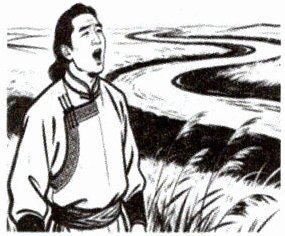
to this ancient art form. In the cartoon movie Ne Zha 2, khoomei was used during the appearance of the Tianyuan Ding, adding a sense of awe(敬畏) to the scene. It was sung by a young Mongolian singer who is creative and gives new life to khoomei. Thanks to them, khoomei is not only being protected but also growing in new ways. It continues to live on staying true to tradition while welcoming the future.
根据短文内容,选择正确的答案。
()26. Where is khoomei NOT mentioned as a popular art form in the passage?
A. China. B. Mongolia.
C. Russia. D. Japan.
()27. What can we learn about khoomei from the passage?
A. Only old masters can sing khoomei very well.
B. It is more than just a kind of music for Mongolians.
C. It is becoming more popular than modern pop music now.
D. It is a special voice that can be used widely by young artists.
()28. What does the underlined word “earthy” probably mean in Paragraph 2?
A. Modern and fashionable.
B. Fast and strong.
C. Loud and exciting.
D. Connected with nature and land.
()29. Why was khoomei used in the cartoon movie Ne Zha 2?
A. To make the movie more humorous.
B. To show the beauty of modern music.
C. To add a feeling of awe to the scene.
D. To teach people about Mongolian life.
()30. What is the main idea of the last paragraph?
A. Young people are bringing new life to khoomei.
B. Traditional art should be mixed with electronic music.
C. Social media makes khoomei lose its traditional spirit.
D. Ne Zha 2 is the best movie to spread khoomei in China.
Khoomei is mainly found in China, Mongolia and Russia. In China, it is popular in Inner Mongolia and Xinjiang. For centuries, it has been passed down by the Mongolians(蒙古族人). It is deeply loved by them because it’s not just music—it’s part of their culture and shows a strong connection to nature. Many Mongolians prefer the natural, earthy tone of khoomei to modern pop music. In 2009, UNESCO(联合国教科文组织) listed khoomei as an Intangible Cultural Heritage of Humanity(人类非物质文化遗产). This honor brought more attention to this art form and young people today should be encouraged to value and protect such precious traditional cultural heritage, especially in today’s fast-changing world.
Although khoomei was once sung mostly by older masters, many young people are now learning it. Some young artists mix khoomei with electronic music, making it fresh while keeping its traditional spirit. Social media also helps khoomei reach people around the world, and we can see its popularity rising like never before. People from all walks of life praise these young artists for bringing new life
to this ancient art form. In the cartoon movie Ne Zha 2, khoomei was used during the appearance of the Tianyuan Ding, adding a sense of awe(敬畏) to the scene. It was sung by a young Mongolian singer who is creative and gives new life to khoomei. Thanks to them, khoomei is not only being protected but also growing in new ways. It continues to live on staying true to tradition while welcoming the future.
根据短文内容,选择正确的答案。
()26. Where is khoomei NOT mentioned as a popular art form in the passage?
A. China. B. Mongolia.
C. Russia. D. Japan.
()27. What can we learn about khoomei from the passage?
A. Only old masters can sing khoomei very well.
B. It is more than just a kind of music for Mongolians.
C. It is becoming more popular than modern pop music now.
D. It is a special voice that can be used widely by young artists.
()28. What does the underlined word “earthy” probably mean in Paragraph 2?
A. Modern and fashionable.
B. Fast and strong.
C. Loud and exciting.
D. Connected with nature and land.
()29. Why was khoomei used in the cartoon movie Ne Zha 2?
A. To make the movie more humorous.
B. To show the beauty of modern music.
C. To add a feeling of awe to the scene.
D. To teach people about Mongolian life.
()30. What is the main idea of the last paragraph?
A. Young people are bringing new life to khoomei.
B. Traditional art should be mixed with electronic music.
C. Social media makes khoomei lose its traditional spirit.
D. Ne Zha 2 is the best movie to spread khoomei in China.
答案
26.D 27.B 28.D 29.C 30.A
解析
26. 根据文章第二段第一句“Khoomei is mainly found in China, Mongolia and Russia.”可知,文中提到呼麦流行的地区是中国、蒙古、俄罗斯,没有提及日本,因此选D。
27. 根据第二段“It is deeply loved by them because it’s not just music—it’s part of their culture and shows a strong connection to nature.”可知,对蒙古族人而言,呼麦不只是一种音乐,更是他们文化的一部分,B选项表述正确。A选项“只有老大师能把呼麦唱好”和原文“many young people are now learning it”不符;C选项“呼麦现在比现代流行音乐更受欢迎”文中没有相关对比表述;D选项“呼麦是可以被年轻艺术家广泛使用的特殊声音”不符合原文内容。
28. 划线词“earthy”所在句的前文提到呼麦展现了和自然的紧密关联,蒙古族人更喜欢呼麦自然的、和土地相关的音色,而非现代流行乐,因此“earthy”的含义是和自然、土地相关,选D。
29. 根据最后一段“In the cartoon movie Ne Zha 2, khoomei was used during the appearance of the Tianyuan Ding, adding a sense of awe(敬畏) to the scene.”可知,在《哪吒2》中使用呼麦是为了给场景增添敬畏的氛围,选C。
30. 最后一段介绍了如今很多年轻人学习呼麦,年轻艺术家将呼麦和电子音乐结合、借助社交媒体传播呼麦,还在影视创作中融入呼麦元素,给这门古老的传统艺术注入了全新的生命力,核心主旨是年轻人正在给呼麦带来新的活力,A选项表述正确。B选项“传统艺术都应该和电子音乐结合”表述过于绝对;C选项“社交媒体让呼麦失去了传统精神”和原文“making it fresh while keeping its traditional spirit”不符;D选项“《哪吒2》是中国传播呼麦最好的电影”文中没有相关表述。
27. 根据第二段“It is deeply loved by them because it’s not just music—it’s part of their culture and shows a strong connection to nature.”可知,对蒙古族人而言,呼麦不只是一种音乐,更是他们文化的一部分,B选项表述正确。A选项“只有老大师能把呼麦唱好”和原文“many young people are now learning it”不符;C选项“呼麦现在比现代流行音乐更受欢迎”文中没有相关对比表述;D选项“呼麦是可以被年轻艺术家广泛使用的特殊声音”不符合原文内容。
28. 划线词“earthy”所在句的前文提到呼麦展现了和自然的紧密关联,蒙古族人更喜欢呼麦自然的、和土地相关的音色,而非现代流行乐,因此“earthy”的含义是和自然、土地相关,选D。
29. 根据最后一段“In the cartoon movie Ne Zha 2, khoomei was used during the appearance of the Tianyuan Ding, adding a sense of awe(敬畏) to the scene.”可知,在《哪吒2》中使用呼麦是为了给场景增添敬畏的氛围,选C。
30. 最后一段介绍了如今很多年轻人学习呼麦,年轻艺术家将呼麦和电子音乐结合、借助社交媒体传播呼麦,还在影视创作中融入呼麦元素,给这门古老的传统艺术注入了全新的生命力,核心主旨是年轻人正在给呼麦带来新的活力,A选项表述正确。B选项“传统艺术都应该和电子音乐结合”表述过于绝对;C选项“社交媒体让呼麦失去了传统精神”和原文“making it fresh while keeping its traditional spirit”不符;D选项“《哪吒2》是中国传播呼麦最好的电影”文中没有相关表述。
