

 登录
登录
五、阅读表达
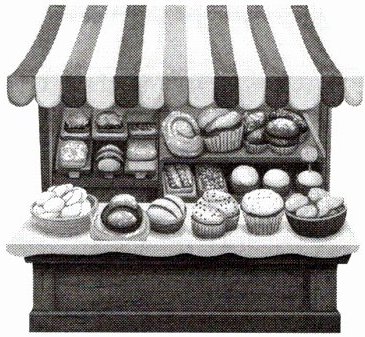
In a nice village, there was a small bakery. Emma was a young baker. She was interested in baking from a very young age. Her parents sent her to a baking school to learn more when she was 18. She worked hard and two years later she owned this bakery. People in the village knew her because of her kind heart.
Every day, Emma would bake more than she could sell. She put the extra bread in a box outside her bakery with a sign that read, “Take what you need.” The box was for anyone in the village who was poor and couldn’t buy a warm meal.
The wooden box became a symbol of hope and kindness in the village. Those who were finding life hard could always depend on Emma for a meal. It wasn’t just about food, it was about knowing that someone cared.
Emma’s kindness didn’t stop at the bakery. She also organised community activities, like picnics in the park, to bring the village’s people together. People from all walks of life would go, making new friends, sharing their problems and feeling like a true community.
Inspired by her kind acts, people in the community began to follow in her footsteps. Some started to serve meals to those in need. The children in the community helped by making cards to bring cheer to the old and the sick. Emma’s kindness had truly set off a chain reaction(连锁反应)of love and goodwill. Over time, the village became a more caring and closer community.
1. When did Emma own her bakery?
2. Why did Emma put the extra bread in a box outside her bakery?
3. What would people do in community activities?
4. How did Emma’s kind acts influence the children in the community?
5. What can we learn from Emma?
In a nice village, there was a small bakery. Emma was a young baker. She was interested in baking from a very young age. Her parents sent her to a baking school to learn more when she was 18. She worked hard and two years later she owned this bakery. People in the village knew her because of her kind heart.
Every day, Emma would bake more than she could sell. She put the extra bread in a box outside her bakery with a sign that read, “Take what you need.” The box was for anyone in the village who was poor and couldn’t buy a warm meal.
The wooden box became a symbol of hope and kindness in the village. Those who were finding life hard could always depend on Emma for a meal. It wasn’t just about food, it was about knowing that someone cared.
Emma’s kindness didn’t stop at the bakery. She also organised community activities, like picnics in the park, to bring the village’s people together. People from all walks of life would go, making new friends, sharing their problems and feeling like a true community.
Inspired by her kind acts, people in the community began to follow in her footsteps. Some started to serve meals to those in need. The children in the community helped by making cards to bring cheer to the old and the sick. Emma’s kindness had truly set off a chain reaction(连锁反应)of love and goodwill. Over time, the village became a more caring and closer community.
1. When did Emma own her bakery?
She owned her bakery when she was 20.
2. Why did Emma put the extra bread in a box outside her bakery?
To help the poor who couldn't buy a warm meal.
3. What would people do in community activities?
Make friends, share problems and feel like a true community.
4. How did Emma’s kind acts influence the children in the community?
They made cards to bring cheer to the old and the sick.
5. What can we learn from Emma?
Kindness inspires others and builds a caring community.
答案
1. She owned her bakery when she was 20.
2. To help the poor who couldn't buy a warm meal.
3. Make friends, share problems and feel like a true community.
4. They made cards to bring cheer to the old and the sick.
5. Kindness inspires others and builds a caring community.
2. To help the poor who couldn't buy a warm meal.
3. Make friends, share problems and feel like a true community.
4. They made cards to bring cheer to the old and the sick.
5. Kindness inspires others and builds a caring community.
