

 登录
A
Li Hua is a student, living in a small city. There is a salvage station (废品收购站) in his community. Lao Huang is a worker there. Li Hua always looked down on Lao Huang and never greeted him when Li Hua met him although they are neighbors.
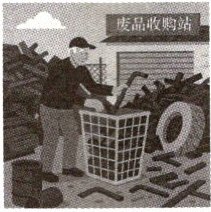
One day, Li Hua saw Lao Huang's name in the newspaper. He felt very surprised. He decided to know more about Lao Huang. He read the newspaper and found that Lao Huang was a really kind man. He supported three students to study at a university (大学). He paid for their study and everyday life. Later, Li Hua found that this was not the only meaningful thing Lao Huang did.
"Lao Huang is a volunteer in the community service center. He also volunteers in the Old People's Home," said Zhao Lin, a reporter. "He helps care for the old people there. "
Finally, Li Hua found the greatness within Lao Huang. His job might not be so good, but his behaviors are greater than many other people's. Li Hua learned a lesson from Lao Huang that we shouldn't judge a person according to his or her job. The things that a person does count!
(
A. A student. B. A worker. C. A reporter. D. A teacher.
(
A. Lao Huang works in the salvage station.
B. Lao Huang volunteers in the Old People's Home.
C. Lao Huang is a volunteer in the community service center.
D. Lao Huang supported three students to study in university.
(
①Li Hua looked down on Lao Huang.
②Li Hua knew more about Lao Huang.
③Li Hua learned a lesson from Lao Huang.
④Li Hua found the greatness within Lao Huang.
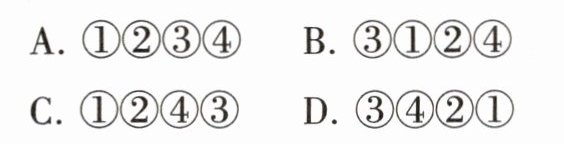
A. ①②③④ B. ③①②④ C. ①②④③ D. ③④②①
(
A. Decide what you think about somebody.
B. Give somebody a hand.
C. Laugh at somebody.
D. Teach somebody.
(
A. Our job is important to us.
B. Everyone's job is meaningful.
C. The things we do mean a lot.
D. We should do everything we can.
Li Hua is a student, living in a small city. There is a salvage station (废品收购站) in his community. Lao Huang is a worker there. Li Hua always looked down on Lao Huang and never greeted him when Li Hua met him although they are neighbors.
One day, Li Hua saw Lao Huang's name in the newspaper. He felt very surprised. He decided to know more about Lao Huang. He read the newspaper and found that Lao Huang was a really kind man. He supported three students to study at a university (大学). He paid for their study and everyday life. Later, Li Hua found that this was not the only meaningful thing Lao Huang did.
"Lao Huang is a volunteer in the community service center. He also volunteers in the Old People's Home," said Zhao Lin, a reporter. "He helps care for the old people there. "
Finally, Li Hua found the greatness within Lao Huang. His job might not be so good, but his behaviors are greater than many other people's. Li Hua learned a lesson from Lao Huang that we shouldn't judge a person according to his or her job. The things that a person does count!
(
B
)21. What does Lao Huang do?A. A student. B. A worker. C. A reporter. D. A teacher.
(
D
)22. What might Li Hua read in the newspaper?A. Lao Huang works in the salvage station.
B. Lao Huang volunteers in the Old People's Home.
C. Lao Huang is a volunteer in the community service center.
D. Lao Huang supported three students to study in university.
(
C
)23. Which of the following orders is right?①Li Hua looked down on Lao Huang.
②Li Hua knew more about Lao Huang.
③Li Hua learned a lesson from Lao Huang.
④Li Hua found the greatness within Lao Huang.
A. ①②③④ B. ③①②④ C. ①②④③ D. ③④②①
(
A
)24. What does the underlined word "judge" mean in the text?A. Decide what you think about somebody.
B. Give somebody a hand.
C. Laugh at somebody.
D. Teach somebody.
(
C
)25. What can we learn from the last sentence "The things that a person does count!"?A. Our job is important to us.
B. Everyone's job is meaningful.
C. The things we do mean a lot.
D. We should do everything we can.
答案
21. B 22. D 第二段提到李华在报纸上看到老黄的名字,细看内容得知老黄是一个很善良的人,资助了三个学生上大学。23. C 通读全文可知,李华先是因为老黄收废品而看不起他,然后在报纸上了解到更多老黄的事迹,发现了老黄内在的伟大,最后从老黄的事例上受到了教育。24. A 根据倒数第二句的意思“我们不能通过职业来评判一个人”,可推知judge在这里意为“你认为某人怎么样”。25. C 最后一句的意思是“一个人所做的事情才重要”。也就是说,我们所做的事情意义重大。
解析
翻译:
A
李华是一名学生,住在一个小城市里。他的社区里有一个废品收购站。老黄是那里的一名工人。李华一直看不起老黄,尽管他们是邻居,李华见到他时也从不和他打招呼。
有一天,李华在报纸上看到了老黄的名字。他感到非常惊讶。他决定更多地了解老黄。他看了报纸,发现老黄是一个非常善良的人。他资助了三名学生上大学。他支付他们的学习和日常生活费用。后来,李华发现这并不是老黄做的唯一有意义的事情。
“老黄是社区服务中心的一名志愿者。他还在养老院做志愿者,”记者赵林说,“他在那里帮忙照顾老人。”
最后,李华发现了老黄内心的伟大。他的工作可能不那么好,但他的行为比很多人的都伟大。李华从老黄身上学到了一课:我们不应该根据一个人的工作来评判他或她。一个人做的事情才重要!
( )21. 老黄是做什么的?
A. 一名学生。
B. 一名工人。
C. 一名记者。
D. 一名教师。
( )22. 李华可能在报纸上读到了什么?
A. 老黄在废品收购站工作。
B. 老黄在养老院做志愿者。
C. 老黄是社区服务中心的一名志愿者。
D. 老黄资助了三名学生上大学。
( )23. 以下哪一个顺序是正确的?
①李华看不起老黄。
②李华更多地了解了老黄。
③李华从老黄身上学到了一课。
④李华发现了老黄内心的伟大。
A. ①②③④
B. ③①②④
C. ①②④③
D. ③④②①
( )24. 文中划线单词“judge”是什么意思?
A. 判定你对某人的看法。
B. 帮助某人。
C. 嘲笑某人。
D. 教某人。
( )25. 我们能从最后一句“一个人做的事情才重要!”中学到什么?
A. 我们的工作对我们很重要。
B. 每个人的工作都是有意义的。
C. 我们做的事情意义重大。
D. 我们应该尽我们所能做一切事情。
