

 登录
读前想一想
1. Would you like to speak at a meeting?
2. Do you often have a good idea?
3. Do you know the saying “Easier said than done”?
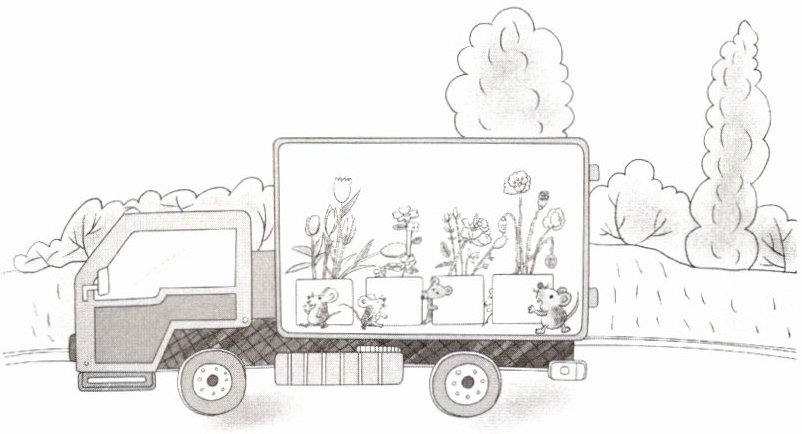
It’s Saturday morning. A farmer is going to take some flowers to the town. Some mice go inside his truck. Why? Because they also want to go to the town. A young mouse is very excited. He wants to jump. He wants to sing. He wants to dance. The old mouse says to him, “Be quiet, please! Don’t jump. Don’t sing. Don’t dance.” “Oh, I’m sorry.”
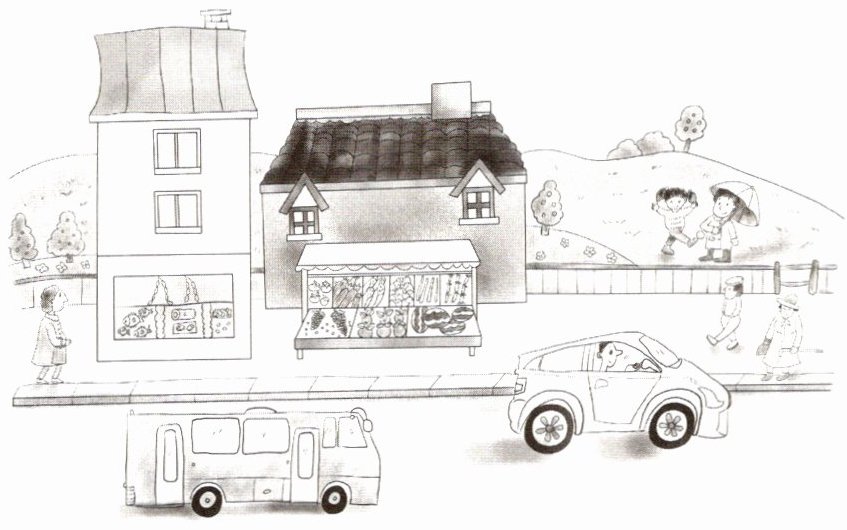
What are they doing now? They are looking out the window of the truck. What do they see? There are so many cars and buses on the street. Some boys and girls are playing in the park. They see fruit and vegetables. They see rice and meat, too. Oh, it’s a wonderful world.
1. Would you like to speak at a meeting?
2. Do you often have a good idea?
3. Do you know the saying “Easier said than done”?
It’s Saturday morning. A farmer is going to take some flowers to the town. Some mice go inside his truck. Why? Because they also want to go to the town. A young mouse is very excited. He wants to jump. He wants to sing. He wants to dance. The old mouse says to him, “Be quiet, please! Don’t jump. Don’t sing. Don’t dance.” “Oh, I’m sorry.”
What are they doing now? They are looking out the window of the truck. What do they see? There are so many cars and buses on the street. Some boys and girls are playing in the park. They see fruit and vegetables. They see rice and meat, too. Oh, it’s a wonderful world.
答案
参考示例:
1. Yes, I'd love to. / No, I'm a little shy to speak in front of so many people.
2. Yes, I often have many new good ideas. / No, it's not easy for me to come up with good ideas sometimes.
3. Yes, I know it. It means saying something is much easier than doing it. / No, I don't know this saying before.
解析
【分析】
这三个问题是日常口语交际类开放性问题,需结合自身实际情况,运用正确的英语句式作答。第1题是Would you like引导的委婉请求类问句,回答常用肯定或委婉否定的表达;第2题是Do you often引导的一般疑问句,回答需用对应肯定/否定的拓展形式;第3题需先回答是否知道该谚语,知道可补充含义,不知道可直接说明。
【解析】
1. 针对Would you like...的问句,肯定回答用Yes, I'd love to,否定回答可委婉表达如No, I'm a little shy to speak in front of so many people;
2. 针对Do you often...的一般疑问句,肯定回答可拓展为Yes, I often have many new good ideas,否定回答可说明情况如No, it's not easy for me to come up with good ideas sometimes;
3. 针对是否知道谚语的问题,知道的话可回答Yes, I know it. It means saying something is much easier than doing it,不知道的话回答No, I don't know this saying before。
【答案】
1. Yes, I'd love to. / No, I'm a little shy to speak in front of so many people.
2. Yes, I often have many new good ideas. / No, it's not easy for me to come up with good ideas sometimes.
3. Yes, I know it. It means saying something is much easier than doing it. / No, I don't know this saying before.
【知识点】
日常交际用语、一般疑问句回答、谚语理解
【点评】
本题为开放性口语练习,结合日常实际情况作答,考察学生口语表达能力和基础谚语认知,贴近生活实际。
【难度系数】
0.3
