

 登录
(B)
Do you know shared bikes? About ten years ago, you could see them in many Chinese cities. But now some of them are gone.
These bikes helped people with the "last kilometer" problem. They were usually placed near subway stations and bus stops. People rode them to places where buses and subways couldn't reach. They made our lives convenient. So why did they disappear?
There were many problems. Some people didn't take care of the bikes. Some even damaged them on purpose(意图). Worse still, many users parked the bikes anywhere they wanted. It was hard for companies to get their bikes back, and riders couldn't easily get their deposit(押金) money. That's why most shared bikes slowly disappeared.
But Beijing is different! You can still see shared bikes everywhere here. Now every bike has a tracking system(追踪系统). Riding to Tian'anmen Square at night is very popular with tourists. It's healthy and cheap—only 1.5 yuan for 30 minutes (but remember: even 1 minute counts as 30 minutes). You must park in special areas, or you'll pay 5 yuan extra. If you park outside the service area, it costs 10 yuan more.
Beijing's success didn't come easily. It shows us that if we keep trying, things can get better and better!
(
A. 便宜的
B. 便捷的
C. 烦琐的
D. 开心的
(
A. 3 yuan
B. 8 yuan
C. 12 yuan
D. 13 yuan
(
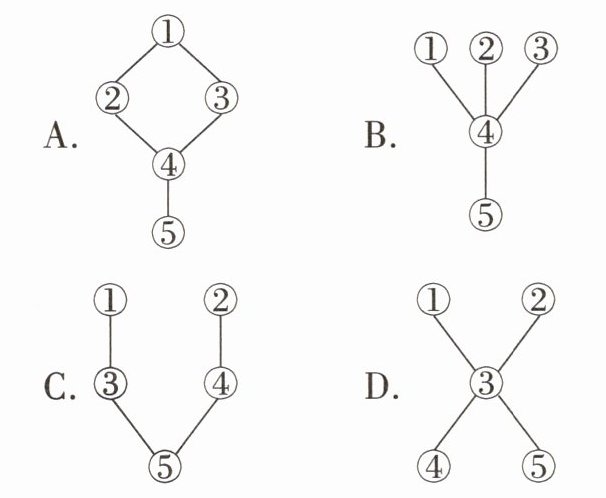
(
A. Beijing.
B. The shared bike.
C. Beijing's success.
D. The tracking system.
(
A. It's not difficult to manage shared-bikes.
B. Shared bikes can take us to every corner of the streets.
C. The writer encourages us to keep trying when facing problems.
D. People followed the rules when using shared bikes 10 years ago.
Do you know shared bikes? About ten years ago, you could see them in many Chinese cities. But now some of them are gone.
These bikes helped people with the "last kilometer" problem. They were usually placed near subway stations and bus stops. People rode them to places where buses and subways couldn't reach. They made our lives convenient. So why did they disappear?
There were many problems. Some people didn't take care of the bikes. Some even damaged them on purpose(意图). Worse still, many users parked the bikes anywhere they wanted. It was hard for companies to get their bikes back, and riders couldn't easily get their deposit(押金) money. That's why most shared bikes slowly disappeared.
But Beijing is different! You can still see shared bikes everywhere here. Now every bike has a tracking system(追踪系统). Riding to Tian'anmen Square at night is very popular with tourists. It's healthy and cheap—only 1.5 yuan for 30 minutes (but remember: even 1 minute counts as 30 minutes). You must park in special areas, or you'll pay 5 yuan extra. If you park outside the service area, it costs 10 yuan more.
Beijing's success didn't come easily. It shows us that if we keep trying, things can get better and better!
(
B
)31. What does the underlined word "convenient" mean in Chinese?A. 便宜的
B. 便捷的
C. 烦琐的
D. 开心的
(
D
)32. Li Ming used a shared bike for 40 minutes and parked it outside the service area. He should pay 13 yuan
.A. 3 yuan
B. 8 yuan
C. 12 yuan
D. 13 yuan
(
A
)33. What is the structure(结构) of the text?(
C
)34. What does the underlined word "It" in the last paragraph refer to (指代)?A. Beijing.
B. The shared bike.
C. Beijing's success.
D. The tracking system.
(
C
)35. What can we learn from the text?A. It's not difficult to manage shared-bikes.
B. Shared bikes can take us to every corner of the streets.
C. The writer encourages us to keep trying when facing problems.
D. People followed the rules when using shared bikes 10 years ago.
答案
31. B 由第二段所述“共享单车可以去到一些公共汽车、小汽车不能去的地方”可推断,它们让生活更“便捷”。故选B。
32. D 根据第四段最后三句话给出的收费标准计算,1.5+1.5+10=13,这次收费13元。故选D。
33. A 通读全文,第一段总述,第二、第三段讲共享自行车之前存在的问题,第四段讲北京的成功范例,第五段讲反思。故选A。
34. C 由上下文可知,it指代北京的成功案例。故选C。
35. C 由最后一句可知,选项C是正确的。故选C。
