

 登录
登录
三、探索第二站:语法丛林
The Giving Tree
I read The Giving Tree by Shel Silverstein again last week. This simple story touched my heart deeply, just like it did many years ago.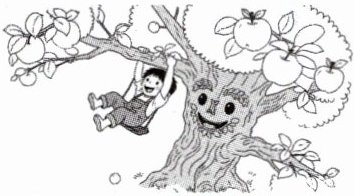
The book told the story of a boy and an apple tree. When the boy was young, he played around the tree every day. He climbed its trunk, swung from its branches(枝干), and ate its apples. The tree was happy.
As the boy grew older, his life changed. He worried about many things and wanted more from the world. To get money, he carried the tree's apples to town to
sell. Later, he needed wood, so the tree offered its branches(枝干). Each time the boy took something, the tree felt joy in giving.
Years passed. The boy, now an old man, finally stopped his endless searching and returned to the tree. The tree, now only a stump, had nothing left but a quiet place to rest. And still, the tree was happy.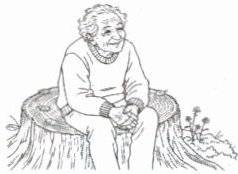
This story made me think. The tree's happiness came from love, not from keeping things. The boy tried to find happiness in places far away, but real peace came only when he returned. Like Charlie's family in Charlie and the Chocolate Factory, the tree was "poor" in things but "rich" in love.
I closed the book with a full heart. It taught me that true happiness starts from giving and lives in the simplest moments we share.
案情简报:在上面的书评中,作者使用了很多"过去式"动词来描述故事。请找出文中所有动词的过去式,并像侦探一样,将它们分类,发现变化规律!
第一步:收集证据(在文中画出或列出动词过去式)。例如:was、told、had、touched...
第二步:分类归档(将你的发现填入侦探板)
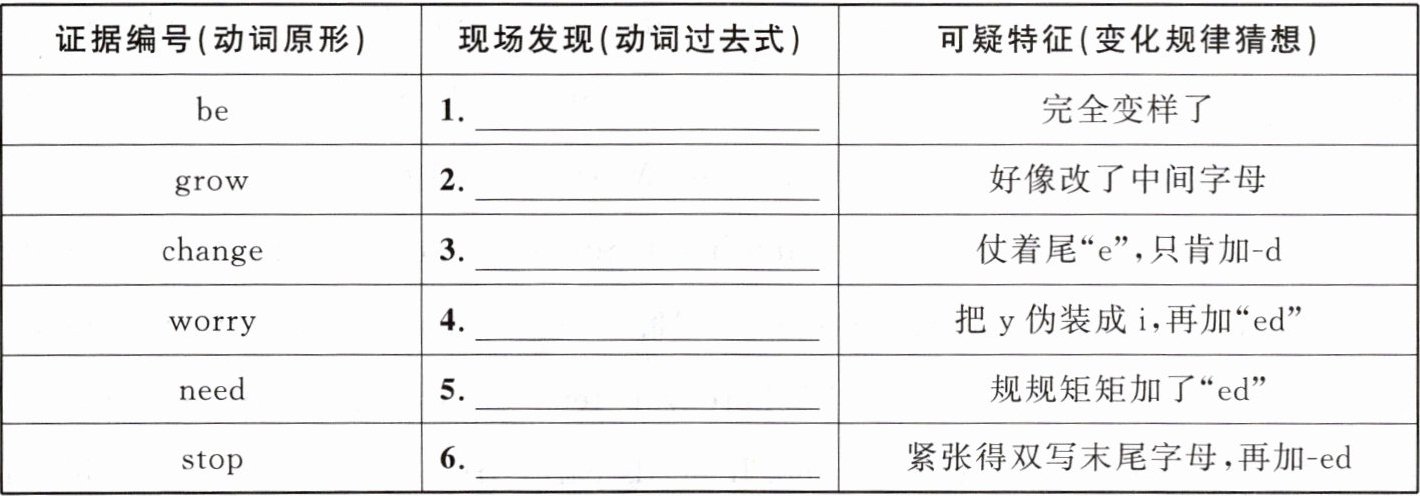
证据编号(动词原形) | 现场发现(动词过去式) | 可疑特征(变化规律猜想)
be | 1. | 完全变样了
grow | 2. | 好像改了中间字母
change | 3. | 仗着尾"e",只肯加-d
worry | 4. | 把y伪装成i,再加"ed"
need | 5. | 规规矩矩加了"ed"
stop | 6. | 紧张得双写末尾字母,再加-ed
第三步:发布结案报告(归纳规则)
亲爱的读者,经过调查,我发现英语动词变过去式大概有这几条"潜规则":
1.大多数"守法公民":直接在词尾加。
2."e"结尾的懒家伙:已经以e结尾,所以只加。
3."辅音+y"结尾的变身者:需要把y变成,再加ed。
4."重读闭音节"的紧张者:以"辅音+元音+辅音"结尾且重读,需末尾辅音字母,再加ed。
5.我行我素的"不规则分子":它们变化无规律,需要单独!
The Giving Tree
I read The Giving Tree by Shel Silverstein again last week. This simple story touched my heart deeply, just like it did many years ago.
The book told the story of a boy and an apple tree. When the boy was young, he played around the tree every day. He climbed its trunk, swung from its branches(枝干), and ate its apples. The tree was happy.
As the boy grew older, his life changed. He worried about many things and wanted more from the world. To get money, he carried the tree's apples to town to
sell. Later, he needed wood, so the tree offered its branches(枝干). Each time the boy took something, the tree felt joy in giving.
Years passed. The boy, now an old man, finally stopped his endless searching and returned to the tree. The tree, now only a stump, had nothing left but a quiet place to rest. And still, the tree was happy.
This story made me think. The tree's happiness came from love, not from keeping things. The boy tried to find happiness in places far away, but real peace came only when he returned. Like Charlie's family in Charlie and the Chocolate Factory, the tree was "poor" in things but "rich" in love.
I closed the book with a full heart. It taught me that true happiness starts from giving and lives in the simplest moments we share.
案情简报:在上面的书评中,作者使用了很多"过去式"动词来描述故事。请找出文中所有动词的过去式,并像侦探一样,将它们分类,发现变化规律!
第一步:收集证据(在文中画出或列出动词过去式)。例如:was、told、had、touched...
第二步:分类归档(将你的发现填入侦探板)
证据编号(动词原形) | 现场发现(动词过去式) | 可疑特征(变化规律猜想)
be | 1. | 完全变样了
grow | 2. | 好像改了中间字母
change | 3. | 仗着尾"e",只肯加-d
worry | 4. | 把y伪装成i,再加"ed"
need | 5. | 规规矩矩加了"ed"
stop | 6. | 紧张得双写末尾字母,再加-ed
第三步:发布结案报告(归纳规则)
亲爱的读者,经过调查,我发现英语动词变过去式大概有这几条"潜规则":
1.大多数"守法公民":直接在词尾加。
2."e"结尾的懒家伙:已经以e结尾,所以只加。
3."辅音+y"结尾的变身者:需要把y变成,再加ed。
4."重读闭音节"的紧张者:以"辅音+元音+辅音"结尾且重读,需末尾辅音字母,再加ed。
5.我行我素的"不规则分子":它们变化无规律,需要单独!
答案
第二步分类归档:
1. was
2. grew
3. changed
4. worried
5. needed
6. stopped
第三步结案报告:
1. ed
2. d
3. i
4. 双写
5. 记忆
1. was
2. grew
3. changed
4. worried
5. needed
6. stopped
第三步结案报告:
1. ed
2. d
3. i
4. 双写
5. 记忆
解析
本题考查七年级英语动词过去式的规则变化与不规则变化知识点,结合给出的文本内容,匹配对应动词的变形规律完成填空,梳理出动词变过去式的基础构成规则:
1. be动词属于完全不规则变化,文中出现的be动词过去式为was;
2. 动词grow是不规则变化,修改中间元音字母得到过去式;
3. 以不发音尾e结尾的动词change,直接在词尾加-d得到过去式;
4. 以“辅音字母+y”结尾的动词worry,将y变为i再加-ed得到过去式;
5. 普通规则动词need,直接在词尾加-ed得到过去式;
6. 重读闭音节结尾的动词stop,双写末尾的辅音字母p再加-ed得到过去式,最终归纳出动词变过去式的5条通用基础规则。
1. be动词属于完全不规则变化,文中出现的be动词过去式为was;
2. 动词grow是不规则变化,修改中间元音字母得到过去式;
3. 以不发音尾e结尾的动词change,直接在词尾加-d得到过去式;
4. 以“辅音字母+y”结尾的动词worry,将y变为i再加-ed得到过去式;
5. 普通规则动词need,直接在词尾加-ed得到过去式;
6. 重读闭音节结尾的动词stop,双写末尾的辅音字母p再加-ed得到过去式,最终归纳出动词变过去式的5条通用基础规则。
