

 登录
Suspension bridges(悬索桥), also known as “吊桥” in Chinese, are bridges that use strong cables(缆) or chains(链) to hold up the road.
The first recorded suspension bridge in China dates back to 50 BCE during the Han Dynasty. In Sichuan, a 100-meter-long iron-chain bridge was built, showing early engineering skills.
In 1665, a book by the famous traveler Xu Xiake described a 122-meter iron-chain bridge in Guizhou(built in 1629). This book was translated into European languages, introducing China’s bridge technology to the world.
One of the most famous ancient suspension bridges is the Luding Bridge(1706) over the Dadu River in Sichuan. Made of nine heavy iron chains, it is still standing today and was even part of an important battle in Chinese history.
In 1938, China built its first modern highway suspension bridge in Hunan, strong enough to carry 10-ton trucks.
The 1969 Chongqing Chaoyang Bridge marked important technical progress.
Since the 1990s, China has built some of the world’s greatest suspension bridges. The following are some examples.
Shantou Bay Bridge(1995)—The first large modern suspension bridge in China, with a 452-meter main span(跨度).
Zhoushan Xihoumen Bridge(2009)—With a 1,650-meter span, it became the longest steel-box suspension bridge in the world.
Wuhan Yangsigang Bridge(2019)—A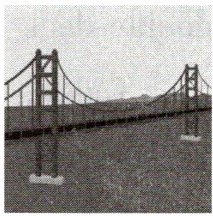
two-story(两层) bridge with 12 lanes(车道), holding the record as the world’s largest double-deck(双层) suspension bridge.
Today, China is building the Zhangjinggao Yangtze River Bridge, which will have a 2,300-meter span, making it the longest suspension bridge in the world when completed.
From ancient iron chain bridges to today’s super bridges, China’s suspension bridges show the country’s long history of engineering excellence. These bridges not only connect cities but also represent China’s creativity and strength in technology. Who knows what amazing bridges China will build next?
根据材料内容选择最佳选项。
(
A. During the Tang Dynasty.
B. During the Han Dynasty.
C. In 1665.
D. In 1706.
(
A. Luding Bridge.
B. Shantou Bay Bridge.
C. Zhoushan Xihoumen Bridge.
D. Wuhan Yangsigang Bridge.
(
A. Ancient suspension bridges were stronger than modern ones.
B. China has no advanced bridge-building technology.
C. Suspension bridges in China have a long history of development.
D. China will stop building new suspension bridges.
suspension bridges.
(
A. To describe how to build a suspension bridge.
B. To tell stories about famous travelers in China.
C. To compare Chinese bridges with foreign bridges.
D. To introduce the history and development of China’s suspension bridges.
(
A. Disappointment.
B. Pride.
C. Confusion.
D. Fear.
The first recorded suspension bridge in China dates back to 50 BCE during the Han Dynasty. In Sichuan, a 100-meter-long iron-chain bridge was built, showing early engineering skills.
In 1665, a book by the famous traveler Xu Xiake described a 122-meter iron-chain bridge in Guizhou(built in 1629). This book was translated into European languages, introducing China’s bridge technology to the world.
One of the most famous ancient suspension bridges is the Luding Bridge(1706) over the Dadu River in Sichuan. Made of nine heavy iron chains, it is still standing today and was even part of an important battle in Chinese history.
In 1938, China built its first modern highway suspension bridge in Hunan, strong enough to carry 10-ton trucks.
The 1969 Chongqing Chaoyang Bridge marked important technical progress.
Since the 1990s, China has built some of the world’s greatest suspension bridges. The following are some examples.
Shantou Bay Bridge(1995)—The first large modern suspension bridge in China, with a 452-meter main span(跨度).
Zhoushan Xihoumen Bridge(2009)—With a 1,650-meter span, it became the longest steel-box suspension bridge in the world.
Wuhan Yangsigang Bridge(2019)—A
two-story(两层) bridge with 12 lanes(车道), holding the record as the world’s largest double-deck(双层) suspension bridge.
Today, China is building the Zhangjinggao Yangtze River Bridge, which will have a 2,300-meter span, making it the longest suspension bridge in the world when completed.
From ancient iron chain bridges to today’s super bridges, China’s suspension bridges show the country’s long history of engineering excellence. These bridges not only connect cities but also represent China’s creativity and strength in technology. Who knows what amazing bridges China will build next?
根据材料内容选择最佳选项。
(
B
)11. When was the first recorded suspension bridge in China built?A. During the Tang Dynasty.
B. During the Han Dynasty.
C. In 1665.
D. In 1706.
(
A
)12. Which of the following is one of the most famous ancient suspension bridges?A. Luding Bridge.
B. Shantou Bay Bridge.
C. Zhoushan Xihoumen Bridge.
D. Wuhan Yangsigang Bridge.
(
C
)13. What can we learn from the text?A. Ancient suspension bridges were stronger than modern ones.
B. China has no advanced bridge-building technology.
C. Suspension bridges in China have a long history of development.
D. China will stop building new suspension bridges.
suspension bridges.
(
D
)14. What is the purpose of the text?A. To describe how to build a suspension bridge.
B. To tell stories about famous travelers in China.
C. To compare Chinese bridges with foreign bridges.
D. To introduce the history and development of China’s suspension bridges.
(
B
)15. What feeling does the author most likely have when writing the text?A. Disappointment.
B. Pride.
C. Confusion.
D. Fear.
答案
11. B 第二段第一句指出中国有记载的最早的悬索桥建于公元前50年的汉代。
12. A 第四段第一句提到最著名的古代悬索桥之一是泸定桥。
13. C
14. D 本文从中国最早有记载的吊桥讲起,一直到现在正在建设的吊桥,介绍了中国吊桥的历史和发展。
15. B
解析
【分析】
解答这类英语阅读理解题,需先通读原文把握大意,再针对每道题的题干关键词定位原文对应段落,对比原文信息与选项内容,排除错误选项后选出正确答案。具体来说:11题定位“first recorded suspension bridge”找时间;12题定位“most famous ancient suspension bridges”找对应桥;13题需逐一分析选项,结合原文判断正误;14题需梳理全文内容总结写作目的;15题需结合作者对中国悬索桥的正面描述判断情感。
【解析】
11. 题干问中国有记载的最早悬索桥建造时间,定位原文第二段第一句“The first recorded suspension bridge in China dates back to 50 BCE during the Han Dynasty.”,可知建于汉代,对应选项B。
12. 题干问最著名的古代悬索桥之一,定位原文第四段第一句“One of the most famous ancient suspension bridges is the Luding Bridge(1706) over the Dadu River in Sichuan.”,对应选项A。
13. 逐一分析选项:A项“古代悬索桥比现代更坚固”原文未提及,错误;B项“中国没有先进建桥技术”与原文最后一段“represent China’s creativity and strength in technology”矛盾,错误;C项“中国悬索桥有很长的发展历史”符合原文从古代到现代的介绍,正确;D项“中国将停止建造新悬索桥”与原文最后一句“Who knows what amazing bridges China will build next?”矛盾,错误,故选C。
14. 全文从古代最早的悬索桥,到不同时期的著名悬索桥,再到现代及在建的超级悬索桥,整体介绍中国悬索桥的历史与发展,对应选项D。
15. 原文最后一段提到中国悬索桥“show the country’s long history of engineering excellence... represent China’s creativity and strength in technology”,体现出作者的自豪之情,对应选项B。
【答案】
11.B 12.A 13.C 14.D 15.B
【知识点】
英语阅读理解、细节理解、主旨大意
【点评】
本题为介绍中国悬索桥的英语阅读理解题,侧重考查学生定位原文信息、理解文章主旨及作者态度的能力,题目以基础细节题为主,辅以少量推理判断题,难度适中。
【难度系数】
0.7
