

 登录
登录
一、图片匹配

1.
2.
3.
4.
5.
1.
D
feel very happy about something2.
A
a science from which we can learn something about numbers3.
E
a deep round container used for cooking4.
B
a game for two people to play on the checkerboard5.
C
say "hi" or "hello" to somebody when you meet somebody答案
【解析】:本题主要考查对图片内容的识别以及英文描述的理解能力。解题的关键在于仔细观察每个图片所呈现的内容,然后将其与对应的英文描述进行匹配。
1. “feel very happy about something”意思是“对某事感到非常高兴”,图片D中人物双手张开,脸上带着笑容,呈现出高兴的状态,所以1对应D。
2. “a science from which we can learn something about numbers”意思是“一门我们可以从中学习到关于数字知识的科学”,图片A中黑板上写着数学算式,代表数学这门学科,所以2对应A。
3. “a deep round container used for cooking”意思是“一个用于烹饪的深圆形容器”,图片E是一个锅,符合描述,所以3对应E。
4. “a game for two people to play on the checkerboard”意思是“两个人在棋盘上玩的游戏”,图片B中两个孩子在玩棋类游戏,所以4对应B。
5. “say 'hi' or 'hello' to somebody when you meet somebody”意思是“当你遇到某人时向其说‘嗨’或‘你好’”,图片C中两个孩子在打招呼,所以5对应C。
【答案】:1. D;2. A;3. E;4. B;5. C
1. “feel very happy about something”意思是“对某事感到非常高兴”,图片D中人物双手张开,脸上带着笑容,呈现出高兴的状态,所以1对应D。
2. “a science from which we can learn something about numbers”意思是“一门我们可以从中学习到关于数字知识的科学”,图片A中黑板上写着数学算式,代表数学这门学科,所以2对应A。
3. “a deep round container used for cooking”意思是“一个用于烹饪的深圆形容器”,图片E是一个锅,符合描述,所以3对应E。
4. “a game for two people to play on the checkerboard”意思是“两个人在棋盘上玩的游戏”,图片B中两个孩子在玩棋类游戏,所以4对应B。
5. “say 'hi' or 'hello' to somebody when you meet somebody”意思是“当你遇到某人时向其说‘嗨’或‘你好’”,图片C中两个孩子在打招呼,所以5对应C。
【答案】:1. D;2. A;3. E;4. B;5. C
解析
翻译:
1. 对某事感到非常高兴
2. 一门我们可以从中学习有关数字知识的学科
3. 一种用于烹饪的深圆形容器
4. 一种两人在棋盘上玩的游戏
5. 当你遇到某人时向其说“嗨”或“你好”
1. 对某事感到非常高兴
2. 一门我们可以从中学习有关数字知识的学科
3. 一种用于烹饪的深圆形容器
4. 一种两人在棋盘上玩的游戏
5. 当你遇到某人时向其说“嗨”或“你好”
二、完形填空
Hello, everyone. I'm Nick. I like reading very much, ______ my parents buy a reading robot for me. Its name is Luka. It looks like an owl. Owls are ______, and Luka is clever too. It can do ______ things well. It can read all the children's books, such as storybooks, picture books, cartoon books, and so on. If you put an interesting ______ in front of it, it can read the story to you. If you put a picture in front of it, it can tell you ______ is in it. Luka is like my good friend. It is really helpful. It is ______ there when I want to talk. "Hi, Luka!" I say. "Hi, Nick! ______ I help you?" Luka says.
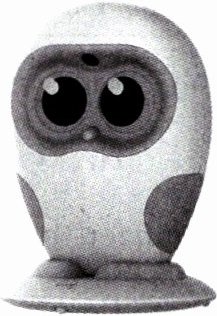
Luka can ______ Chinese, English and German. And it is also a great ______. After reading, I often ask it to sing a song for me.
Some Chinese engineers made Luka. They hope to let Luka read to kids ______ all over the world. Would you like to bring Luka home? I'm sure you will love it.
(
(
(
(
(
(
(
(
(
(
Hello, everyone. I'm Nick. I like reading very much, ______ my parents buy a reading robot for me. Its name is Luka. It looks like an owl. Owls are ______, and Luka is clever too. It can do ______ things well. It can read all the children's books, such as storybooks, picture books, cartoon books, and so on. If you put an interesting ______ in front of it, it can read the story to you. If you put a picture in front of it, it can tell you ______ is in it. Luka is like my good friend. It is really helpful. It is ______ there when I want to talk. "Hi, Luka!" I say. "Hi, Nick! ______ I help you?" Luka says.
Luka can ______ Chinese, English and German. And it is also a great ______. After reading, I often ask it to sing a song for me.
Some Chinese engineers made Luka. They hope to let Luka read to kids ______ all over the world. Would you like to bring Luka home? I'm sure you will love it.
(
B
) 1. A. and B. so C. or D. but(
A
) 2. A. clever B. cool C. strong D. modern(
C
) 3. A. few B. little C. many D. much(
A
) 4. A. storybook B. picture book C. ball D. Maths book(
D
) 5. A. which B. whose C. who D. what(
D
) 6. A. sometimes B. usually C. never D. always(
C
) 7. A. Do B. Am C. Can D. Does(
B
) 8. A. tell B. speak C. say D. talk(
D
) 9. A. teacher B. doctor C. dancer D. singer(
B
)10. A. about B. from C. at D. with答案
【解析】:
这是一道英语完形填空题,主要考查学生对上下文理解、词汇辨析以及语法知识的运用能力。解题的关键在于结合语境,分析每个空所在句子的含义,然后从选项中选出最符合语境和语法规则的答案。
1. 第一空所在句子“I like reading very much, ______ my parents buy a reading robot for me.”,前后句是因果关系,因为喜欢阅读,所以父母给我买了阅读机器人,故用“so”。
2. 第二空根据后文“and Luka is clever too”可知,这里说的是猫头鹰很聪明,所以选“clever”。
3. 第三空“It can do ______ things well.”,things是可数名词复数,且根据语境可知它能做好很多事情,“many”修饰可数名词复数,所以选“many”。
4. 第四空根据后文“it can read the story to you”可知,这里说的是把有趣的故事书放在它面前,所以选“storybook”。
5. 第五空“If you put a picture in front of it, it can tell you ______ is in it.”,这里需要一个引导宾语从句且在从句中作主语的词,“what”符合要求,所以选“what”。
6. 第六空根据前文“Luka is like my good friend. It is really helpful.”可知,它总是能在我想说话的时候在那里,“always”表示总是,所以选“always”。
7. 第七空“______ I help you?”,这是Luka说的话,意思是“我能帮你吗”,“Can”用于一般疑问句中表示请求,所以选“Can”。
8. 第八空“Luka can ______ Chinese, English and German.”,说某种语言用“speak”,所以选“speak”。
9. 第九空根据后文“After reading, I often ask it to sing a song for me.”可知,它也是一个很棒的歌手,“singer”表示歌手,所以选“singer”。
10. 第十空“They hope to let Luka read to kids ______ all over the world.”,“from all over the world”表示来自世界各地,所以选“from”。
【答案】:
1. B;2. A;3. C;4. A;5. D;6. D;7. C;8. B;9. D;10. B
这是一道英语完形填空题,主要考查学生对上下文理解、词汇辨析以及语法知识的运用能力。解题的关键在于结合语境,分析每个空所在句子的含义,然后从选项中选出最符合语境和语法规则的答案。
1. 第一空所在句子“I like reading very much, ______ my parents buy a reading robot for me.”,前后句是因果关系,因为喜欢阅读,所以父母给我买了阅读机器人,故用“so”。
2. 第二空根据后文“and Luka is clever too”可知,这里说的是猫头鹰很聪明,所以选“clever”。
3. 第三空“It can do ______ things well.”,things是可数名词复数,且根据语境可知它能做好很多事情,“many”修饰可数名词复数,所以选“many”。
4. 第四空根据后文“it can read the story to you”可知,这里说的是把有趣的故事书放在它面前,所以选“storybook”。
5. 第五空“If you put a picture in front of it, it can tell you ______ is in it.”,这里需要一个引导宾语从句且在从句中作主语的词,“what”符合要求,所以选“what”。
6. 第六空根据前文“Luka is like my good friend. It is really helpful.”可知,它总是能在我想说话的时候在那里,“always”表示总是,所以选“always”。
7. 第七空“______ I help you?”,这是Luka说的话,意思是“我能帮你吗”,“Can”用于一般疑问句中表示请求,所以选“Can”。
8. 第八空“Luka can ______ Chinese, English and German.”,说某种语言用“speak”,所以选“speak”。
9. 第九空根据后文“After reading, I often ask it to sing a song for me.”可知,它也是一个很棒的歌手,“singer”表示歌手,所以选“singer”。
10. 第十空“They hope to let Luka read to kids ______ all over the world.”,“from all over the world”表示来自世界各地,所以选“from”。
【答案】:
1. B;2. A;3. C;4. A;5. D;6. D;7. C;8. B;9. D;10. B
解析
翻译:
二、完形填空
大家好。我是尼克。我非常喜欢阅读,________我的父母给我买了一个阅读机器人。它的名字叫卢卡。它看起来像一只猫头鹰。猫头鹰很________,卢卡也很聪明。它能把________事情都做得很好。它能读所有的儿童书籍,比如故事书、图画书、卡通书等等。如果你把一本有趣的________放在它面前,它就能给你读这个故事。如果你把一张图片放在它面前,它能告诉你里面有________。卢卡就像我的好朋友。它真的很有帮助。当我想说话的时候,它________在那里。“嗨,卢卡!”我说。“嗨,尼克!________我帮助你吗?”卢卡说。
卢卡会________中文、英文和德文。而且它也是一个很棒的________。读完书后,我经常让它给我唱一首歌。
一些中国工程师制造了卢卡。他们希望让卢卡给________全世界的孩子读书。你想要把卢卡带回家吗?我相信你会喜欢它的。
( ) 1. A. 和;并且 B. 所以 C. 或者;否则 D. 但是
( ) 2. A. 聪明的 B. 酷的;凉爽的 C. 强壮的 D. 现代的
( ) 3. A. 很少的(修饰可数名词复数,表否定) B. 很少的(修饰不可数名词,表否定) C. 许多的(修饰可数名词复数) D. 许多的(修饰不可数名词)
( ) 4. A. 故事书 B. 图画书 C. 球 D. 数学书
( ) 5. A. 哪一个 B. 谁的 C. 谁 D. 什么
( ) 6. A. 有时 B. 通常 C. 从不 D. 总是
( ) 7. A. 助动词,无实义(用于一般现在时的一般疑问句,主语非第三人称单数) B. 是(be的第一人称单数现在时) C. 能;可以 D. 助动词,无实义(用于一般现在时的一般疑问句,主语是第三人称单数)
( ) 8. A. 告诉;讲述 B. 说(某种语言) C. 说(强调内容) D. 谈话;交谈
( ) 9. A. 老师 B. 医生 C. 舞者 D. 歌手
( )10. A. 关于;大约 B. 来自;从 C. 在(表示存在或出现的地点、场所、位置、空间) D. 和……一起;带有
二、完形填空
大家好。我是尼克。我非常喜欢阅读,________我的父母给我买了一个阅读机器人。它的名字叫卢卡。它看起来像一只猫头鹰。猫头鹰很________,卢卡也很聪明。它能把________事情都做得很好。它能读所有的儿童书籍,比如故事书、图画书、卡通书等等。如果你把一本有趣的________放在它面前,它就能给你读这个故事。如果你把一张图片放在它面前,它能告诉你里面有________。卢卡就像我的好朋友。它真的很有帮助。当我想说话的时候,它________在那里。“嗨,卢卡!”我说。“嗨,尼克!________我帮助你吗?”卢卡说。
卢卡会________中文、英文和德文。而且它也是一个很棒的________。读完书后,我经常让它给我唱一首歌。
一些中国工程师制造了卢卡。他们希望让卢卡给________全世界的孩子读书。你想要把卢卡带回家吗?我相信你会喜欢它的。
( ) 1. A. 和;并且 B. 所以 C. 或者;否则 D. 但是
( ) 2. A. 聪明的 B. 酷的;凉爽的 C. 强壮的 D. 现代的
( ) 3. A. 很少的(修饰可数名词复数,表否定) B. 很少的(修饰不可数名词,表否定) C. 许多的(修饰可数名词复数) D. 许多的(修饰不可数名词)
( ) 4. A. 故事书 B. 图画书 C. 球 D. 数学书
( ) 5. A. 哪一个 B. 谁的 C. 谁 D. 什么
( ) 6. A. 有时 B. 通常 C. 从不 D. 总是
( ) 7. A. 助动词,无实义(用于一般现在时的一般疑问句,主语非第三人称单数) B. 是(be的第一人称单数现在时) C. 能;可以 D. 助动词,无实义(用于一般现在时的一般疑问句,主语是第三人称单数)
( ) 8. A. 告诉;讲述 B. 说(某种语言) C. 说(强调内容) D. 谈话;交谈
( ) 9. A. 老师 B. 医生 C. 舞者 D. 歌手
( )10. A. 关于;大约 B. 来自;从 C. 在(表示存在或出现的地点、场所、位置、空间) D. 和……一起;带有
