

 登录
Do you know shared bikes? About ten years ago, you could see them in many Chinese cities. But now some of them are gone.
These bikes helped people with the “last kilometer” problem. They were usually placed near subway stations and bus stops. People rode them to places where buses and subways couldn’t reach. They made our lives convenient. So why did they disappear?
There were many problems. Some people didn’t take care of the bikes. Some even damaged them on purpose ( 故意 ). Worse still, many users parked the bikes anywhere they wanted. It was hard for companies to get their bikes back, and riders couldn’t easily get their deposit money ( 押金 ). That’s why most shared bikes slowly disappeared.
But Beijing is different! You can still see shared bikes everywhere here. Now every bike has a tracking system ( 追踪系统 ). Riding to Tian’anmen Square at night is very popular with tourists. It’s healthy and cheap — only 1.5 yuan for 30 minutes ( but remember:even 1 minute counts as 30 minutes ). You must park in special areas, or you’ll pay 5 yuan extra. If you park outside the service area, it costs 10 yuan more.
Beijing’s success didn’t come easily. It shows us that if we keep trying, things can get better and better!
(
A. Cheap.
B. Easy.
C. Difficult.
D. Sad.
(
A. 3 yuan
B. 8 yuan
C. 12 yuan
D. 13 yuan
(
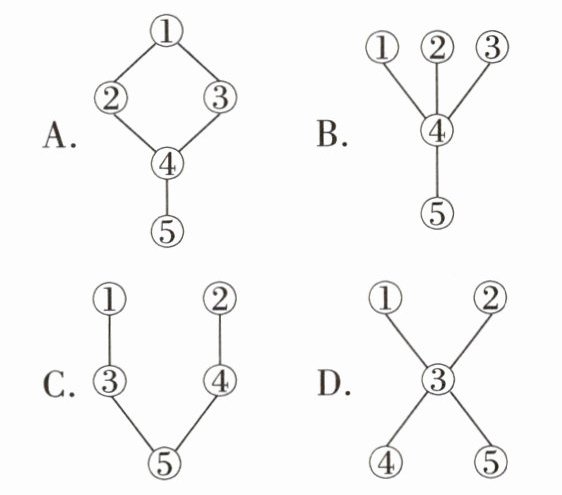
A.
B.
C.
D.
(
A. Beijing.
B. The shared - bike.
C. Beijing’s success.
D. The developing.
(
A. It’s not difficult to manage shared - bikes.
B. Shared - bikes can take us to every corner of the streets.
C. The writer encourages us to keep trying when facing problems.
D. People followed the rules when using shared - bikes 10 years ago.
These bikes helped people with the “last kilometer” problem. They were usually placed near subway stations and bus stops. People rode them to places where buses and subways couldn’t reach. They made our lives convenient. So why did they disappear?
There were many problems. Some people didn’t take care of the bikes. Some even damaged them on purpose ( 故意 ). Worse still, many users parked the bikes anywhere they wanted. It was hard for companies to get their bikes back, and riders couldn’t easily get their deposit money ( 押金 ). That’s why most shared bikes slowly disappeared.
But Beijing is different! You can still see shared bikes everywhere here. Now every bike has a tracking system ( 追踪系统 ). Riding to Tian’anmen Square at night is very popular with tourists. It’s healthy and cheap — only 1.5 yuan for 30 minutes ( but remember:even 1 minute counts as 30 minutes ). You must park in special areas, or you’ll pay 5 yuan extra. If you park outside the service area, it costs 10 yuan more.
Beijing’s success didn’t come easily. It shows us that if we keep trying, things can get better and better!
(
B
)26. What does the underlined word “convenient” mean?A. Cheap.
B. Easy.
C. Difficult.
D. Sad.
(
D
)27. Li Ming used a shared - bike for 40 minutes and parked it outside the service area. He should pay ______.A. 3 yuan
B. 8 yuan
C. 12 yuan
D. 13 yuan
(
A
)28. What is the structure of the text?A.
B.
C.
D.
(
C
)29. What does the underlined word “It” in the last Paragraph refer to?A. Beijing.
B. The shared - bike.
C. Beijing’s success.
D. The developing.
(
C
)30. What can we learn form the text?A. It’s not difficult to manage shared - bikes.
B. Shared - bikes can take us to every corner of the streets.
C. The writer encourages us to keep trying when facing problems.
D. People followed the rules when using shared - bikes 10 years ago.
答案
26. B 上一句意为“人们可以骑到公共汽车、地铁不能去的一些地方”,所以本句意为“它们让生活‘便捷’”,与 easy 同义。
27. D 根据第四段最后三句提供的信息,可计算出他须支付 1.5 + 1.5+10 元,共 13 元。
28. A
29. C 由下文可推断,It 指北京的成功。
30. C 由全文可知,只有 C 项正确。
27. D 根据第四段最后三句提供的信息,可计算出他须支付 1.5 + 1.5+10 元,共 13 元。
28. A
29. C 由下文可推断,It 指北京的成功。
30. C 由全文可知,只有 C 项正确。
解析
翻译:
B
你知道共享单车吗?大约十年前,在中国的许多城市都能看到它们。但现在其中一些已经消失了。
这些自行车帮助人们解决了“最后一公里”的问题。它们通常被放置在地铁站和公交站附近。人们骑着它们前往公交车和地铁无法到达的地方。它们使我们的生活变得**便利**。那么它们为什么会消失呢?
存在很多问题。一些人不爱护自行车,甚至有人故意损坏它们。更糟糕的是,许多用户随意停放自行车。公司很难收回他们的自行车,而且骑行者也不能轻易拿回他们的押金。这就是大多数共享单车慢慢消失的原因。
但北京不一样!在这里你仍然可以随处看到共享单车。现在每辆自行车都有一个追踪系统。晚上骑行去天安门广场很受游客欢迎。这既健康又便宜——30分钟只需1.5元(但要记住:即使1分钟也按30分钟计费)。你必须停在指定区域,否则你将额外支付5元。如果你停在服务区外,将多支付10元。
北京的成功来之不易。**它**向我们表明,如果我们不断尝试,事情会变得越来越好!
( )26. 划线单词“convenient”是什么意思?
A. 便宜的。
B. 容易的;便利的。
C. 困难的。
D. 悲伤的。
( )27. 李明使用共享单车40分钟,并将其停在服务区外。他应该支付______。
A. 3元
B. 8元
C. 12元
D. 13元
( )28. 这篇文章的结构是怎样的?
A.
B.
C.
D.
( )29. 最后一段中划线单词“It”指的是什么?
A. 北京。
B. 共享单车。
C. 北京的成功。
D. 发展。
( )30. 我们能从这篇文章中学到什么?
A. 管理共享单车并不难。
B. 共享单车能把我们带到街道的每个角落。
C. 作者鼓励我们面对问题时不断尝试。
D. 10年前人们使用共享单车时都遵守规则。
