

 登录
登录
补全对话(共5题;每题2分,满分10分)
根据下面的对话情景,在空白处填入一个适当的句子,使对话的意思连贯、完整。
Amy: Hello! 76.
Simon: This is Simon speaking.
Amy: Simon, where do you live now?
Simon: I live in a flat in City Garden.
Amy: 77.
Simon: There are about 20 buildings. Most of them have 16 floors.
Amy: 78.
Simon: We have supermarkets, restaurants, a school and a hospital.
Amy: 79.
Simon: They are kind and helpful. Some of them are volunteers. They usually have a “helping hands” meeting at the weekend. They can help people with their problems.
Amy: 80.
Simon: Yes. It’s good to live in a neighbourhood like this.
根据下面的对话情景,在空白处填入一个适当的句子,使对话的意思连贯、完整。
Amy: Hello! 76.
May I speak to Simon, please?
Simon: This is Simon speaking.
Amy: Simon, where do you live now?
Simon: I live in a flat in City Garden.
Amy: 77.
How many buildings are there in your neighbourhood?
Simon: There are about 20 buildings. Most of them have 16 floors.
Amy: 78.
What do you have around your neighbourhood?
Simon: We have supermarkets, restaurants, a school and a hospital.
Amy: 79.
What are your neighbours like?
Simon: They are kind and helpful. Some of them are volunteers. They usually have a “helping hands” meeting at the weekend. They can help people with their problems.
Amy: 80.
Do you like living there? (答案不唯一,合理即可)
Simon: Yes. It’s good to live in a neighbourhood like this.
答案
76. May I speak to Simon, please? 77. How many buildings are there in your neighbourhood? 78. What do you have around your neighbourhood? 79. What are your neighbours like? 80. Do you like living there? (答案不唯一,合理即可)
解析
【分析】本题为补全对话题型,需结合对话上下文的答语反推问句内容。首先判断对话场景:前半部分为电话交流,76空的答语是电话中自我介绍的常用表达,因此需填写电话中找Simon的问句;后续对话围绕居住的社区展开,77空答语提及建筑数量,故需询问建筑数量;78空答语列举社区周边设施,故需询问周边有什么;79空答语描述邻居的特点,故需询问邻居的情况;80空答语用“Yes”回应,说明是一般疑问句,结合最后提到居住体验,故需询问是否喜欢住在此处,所有答案需符合日常交际逻辑,合理即可。
【解析】76. 根据答语“This is Simon speaking”(电话中表明身份,对应找通话对象的问句),常用电话交际用语“May I speak to Simon, please?”;77. 答语提到社区内的建筑数量,因此问句为询问社区建筑数量的句子:“How many buildings are there in your neighbourhood?”;78. 答语列举了社区周边的超市、餐厅等设施,因此问句为询问社区周边有什么的句子:“What do you have around your neighbourhood?”;79. 答语描述邻居“kind and helpful”等性格特点,因此问句为询问邻居品质的句子:“What are your neighbours like?”;80. 答语用“Yes”作答,说明是一般疑问句,结合最后提到居住体验好,因此问句为询问是否喜欢住在此处的句子:“Do you like living there?”,所有答案需符合日常交际,合理即可。
【答案】76. May I speak to Simon, please? 77. How many buildings are there in your neighbourhood? 78. What do you have around your neighbourhood? 79. What are your neighbours like? 80. Do you like living there? (答案不唯一,合理即可)
【知识点】补全对话、日常交际用语、电话用语
【点评】本题围绕电话交流与社区邻里话题展开,考查日常交际用语的运用,需结合答语语境反推问句,难度适中,学生易掌握。
【难度系数】0.8
【解析】76. 根据答语“This is Simon speaking”(电话中表明身份,对应找通话对象的问句),常用电话交际用语“May I speak to Simon, please?”;77. 答语提到社区内的建筑数量,因此问句为询问社区建筑数量的句子:“How many buildings are there in your neighbourhood?”;78. 答语列举了社区周边的超市、餐厅等设施,因此问句为询问社区周边有什么的句子:“What do you have around your neighbourhood?”;79. 答语描述邻居“kind and helpful”等性格特点,因此问句为询问邻居品质的句子:“What are your neighbours like?”;80. 答语用“Yes”作答,说明是一般疑问句,结合最后提到居住体验好,因此问句为询问是否喜欢住在此处的句子:“Do you like living there?”,所有答案需符合日常交际,合理即可。
【答案】76. May I speak to Simon, please? 77. How many buildings are there in your neighbourhood? 78. What do you have around your neighbourhood? 79. What are your neighbours like? 80. Do you like living there? (答案不唯一,合理即可)
【知识点】补全对话、日常交际用语、电话用语
【点评】本题围绕电话交流与社区邻里话题展开,考查日常交际用语的运用,需结合答语语境反推问句,难度适中,学生易掌握。
【难度系数】0.8
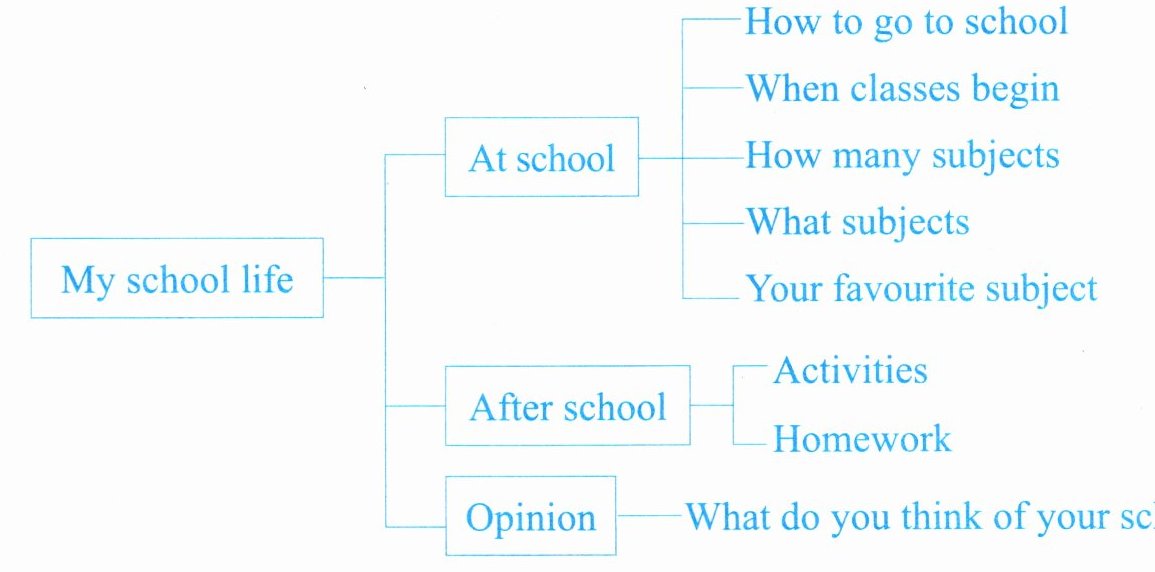
81. 为了解中学生的学校生活,探索中学教育现状,某教育平台在自己的官方网站设置了以“My school life”为题的发帖栏。请你根据思维导图提供的信息,写一篇英文帖子,介绍自己的学校生活和你的看法。
提示:
(1)短文应包括思维导图中的全部信息,条理清楚,行文连贯。
(2)短文中不能出现真实的人名和地名。
(3)词数不少于70,开头已给出,不计入总词数。
My school life
I’m a student in a junior high school in China.
提示:
(1)短文应包括思维导图中的全部信息,条理清楚,行文连贯。
(2)短文中不能出现真实的人名和地名。
(3)词数不少于70,开头已给出,不计入总词数。
My school life
I’m a student in a junior high school in China.
One possible version:
My school life
I'm a student in a junior high school in China. I love my school very much. I often go to school by bus. We have lessons from 8:00 a.m. to 4:00 p.m. We have many subjects, such as Chinese, maths, English and geography. My favourite subject is Chinese, because I learn a lot from our Chinese teacher. She is friendly to us. Every day we only need to spend about one hour doing our homework, so we have enough time to take part in after-school activities. I join different clubs.
I always have fun in my school. I love my school.
My school life
I'm a student in a junior high school in China. I love my school very much. I often go to school by bus. We have lessons from 8:00 a.m. to 4:00 p.m. We have many subjects, such as Chinese, maths, English and geography. My favourite subject is Chinese, because I learn a lot from our Chinese teacher. She is friendly to us. Every day we only need to spend about one hour doing our homework, so we have enough time to take part in after-school activities. I join different clubs.
I always have fun in my school. I love my school.
答案
81. One possible version:
My school life
I'm a student in a junior high school in China. I love my school very much. I often go to school by bus. We have lessons from 8:00 a.m. to 4:00 p.m. We have many subjects, such as Chinese, maths, English and geography. My favourite subject is Chinese, because I learn a lot from our Chinese teacher. She is friendly to us. Every day we only need to spend about one hour doing our homework, so we have enough time to take part in after-school activities. I join different clubs.
I always have fun in my school. I love my school.
My school life
I'm a student in a junior high school in China. I love my school very much. I often go to school by bus. We have lessons from 8:00 a.m. to 4:00 p.m. We have many subjects, such as Chinese, maths, English and geography. My favourite subject is Chinese, because I learn a lot from our Chinese teacher. She is friendly to us. Every day we only need to spend about one hour doing our homework, so we have enough time to take part in after-school activities. I join different clubs.
I always have fun in my school. I love my school.
解析
【分析】
首先明确写作主题为“My school life”,需覆盖思维导图的全部信息,分为在校情况(上学方式、上课时间、科目数量及具体科目、最喜欢的科目)、课后情况(作业、课后活动)、个人看法三部分。结合已给开头,按“衔接开头→介绍在校情况→说明课后安排→表达个人看法”的思路组织内容,确保行文连贯,无真实人名地名,词数达标。
【解析】
1. 衔接开头:承接已给句子,先表达对学校的喜爱,引出在校相关内容;
2. 介绍在校情况:依次说明上学方式、上课时间、开设的科目、最喜欢的科目及原因;
3. 说明课后安排:提及作业时长,引出课后活动;
4. 表达个人看法:总结在学校的感受,抒发对学校的喜爱,完成全文。
【答案】
My school life
I'm a student in a junior high school in China. I love my school very much. I often go to school by bus. We have lessons from 8:00 a.m. to 4:00 p.m. We have many subjects, such as Chinese, maths, English and geography. My favourite subject is Chinese, because I learn a lot from our Chinese teacher. She is friendly to us. Every day we only need to spend about one hour doing our homework, so we have enough time to take part in after-school activities. I join different clubs.
I always have fun in my school. I love my school.
【知识点】
英语写作、要点整合、应用文写作
【点评】
本文紧扣思维导图所有信息要点,行文连贯流畅,符合题目对词数、无真实信息的要求,清晰展现了中学生的学校生活,表达自然真挚。
【难度系数】
0.5
首先明确写作主题为“My school life”,需覆盖思维导图的全部信息,分为在校情况(上学方式、上课时间、科目数量及具体科目、最喜欢的科目)、课后情况(作业、课后活动)、个人看法三部分。结合已给开头,按“衔接开头→介绍在校情况→说明课后安排→表达个人看法”的思路组织内容,确保行文连贯,无真实人名地名,词数达标。
【解析】
1. 衔接开头:承接已给句子,先表达对学校的喜爱,引出在校相关内容;
2. 介绍在校情况:依次说明上学方式、上课时间、开设的科目、最喜欢的科目及原因;
3. 说明课后安排:提及作业时长,引出课后活动;
4. 表达个人看法:总结在学校的感受,抒发对学校的喜爱,完成全文。
【答案】
My school life
I'm a student in a junior high school in China. I love my school very much. I often go to school by bus. We have lessons from 8:00 a.m. to 4:00 p.m. We have many subjects, such as Chinese, maths, English and geography. My favourite subject is Chinese, because I learn a lot from our Chinese teacher. She is friendly to us. Every day we only need to spend about one hour doing our homework, so we have enough time to take part in after-school activities. I join different clubs.
I always have fun in my school. I love my school.
【知识点】
英语写作、要点整合、应用文写作
【点评】
本文紧扣思维导图所有信息要点,行文连贯流畅,符合题目对词数、无真实信息的要求,清晰展现了中学生的学校生活,表达自然真挚。
【难度系数】
0.5
