

 登录
登录
二、阅读理解
KEY→P27
范畴:人与社会 主题:科学研究 体裁:说明文 难度:★★★★ 建议用时:6分钟 评价:/5
About one out of three people get motion sickness(晕动症)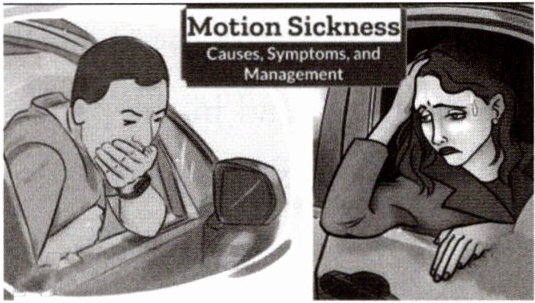 easily. And almost anyone will get it if the movement is strong enough. Kids aged 2 to 12 are more likely to feel sick than grown-ups. No one knows why some people have motion sickness and others don't.
Scientists know that motion sickness happens because our senses send different messages to our brains. For example, when you're in a moving car, your eyes tell your brain you're moving—because things are passing by quickly. But your inner ear, which helps you keep balance, tells your brain you're sitting still. This makes you feel sick.
Brain scientists at a university did a study. It included 30 volunteers who often get motion sickness. The volunteers used a driving simulator(模拟器) that made them feel like they were in a moving car. Small sensors(传感器) were stuck on their heads to record the electrical activity in their brains. By watching this brain activity, the scientists could tell when the volunteers felt motion sickness and when they felt better.
The volunteers were put into six groups. Four groups used the simulator until they felt carsick. Then they stopped "driving" and listened to different kinds of music for 60 seconds. One group used the simulator until they felt sick. Instead of listening to music, they tried to calm down by relaxing for one minute. The last group told the scientists as soon as they felt even a little carsick. They stopped using the simulator before they felt worse.
The study results showed that happy music was the best for reducing motion sickness. Soft music was almost as good as happy music, and energetic music came next. But sad music slowed down the recovery process. Even people who didn't listen to any music felt better faster than those who listened to sad music. The scientists think that personal music lists could help people get over motion sickness.
——文章选自 The Week Junior
(
A. Adults never experience it.
B. Its exact causes are fully understood.
C. It usually affects children under two.
D. Movement is a key cause of motion sickness.
英语嗨吧
(
A. Outer ear signals influence brain decisions.
B. Different sense messages make people feel sick.
C. Eyes always provide correct motion information.
D. The brain pays no attention to sense differences at all.
(

(
A. It was used for comparing with other groups.
B. It proved that music is the best way to stop carsickness.
C. It helped volunteers get used to carsickness gradually.
D. It showed relaxing works better than listening to music.
(
A. Making something less.
B. Making something more.
C. Making something faster.
D. Making something worse.
KEY→P27
范畴:人与社会 主题:科学研究 体裁:说明文 难度:★★★★ 建议用时:6分钟 评价:/5
About one out of three people get motion sickness(晕动症)
easily. And almost anyone will get it if the movement is strong enough. Kids aged 2 to 12 are more likely to feel sick than grown-ups. No one knows why some people have motion sickness and others don't.Scientists know that motion sickness happens because our senses send different messages to our brains. For example, when you're in a moving car, your eyes tell your brain you're moving—because things are passing by quickly. But your inner ear, which helps you keep balance, tells your brain you're sitting still. This makes you feel sick.
Brain scientists at a university did a study. It included 30 volunteers who often get motion sickness. The volunteers used a driving simulator(模拟器) that made them feel like they were in a moving car. Small sensors(传感器) were stuck on their heads to record the electrical activity in their brains. By watching this brain activity, the scientists could tell when the volunteers felt motion sickness and when they felt better.
The volunteers were put into six groups. Four groups used the simulator until they felt carsick. Then they stopped "driving" and listened to different kinds of music for 60 seconds. One group used the simulator until they felt sick. Instead of listening to music, they tried to calm down by relaxing for one minute. The last group told the scientists as soon as they felt even a little carsick. They stopped using the simulator before they felt worse.
The study results showed that happy music was the best for reducing motion sickness. Soft music was almost as good as happy music, and energetic music came next. But sad music slowed down the recovery process. Even people who didn't listen to any music felt better faster than those who listened to sad music. The scientists think that personal music lists could help people get over motion sickness.
——文章选自 The Week Junior
(
D
)1. What can we guess about motion sickness from the first paragraph?A. Adults never experience it.
B. Its exact causes are fully understood.
C. It usually affects children under two.
D. Movement is a key cause of motion sickness.
英语嗨吧
(
B
)2. According to Paragraph 2, what can we know about sense signals?A. Outer ear signals influence brain decisions.
B. Different sense messages make people feel sick.
C. Eyes always provide correct motion information.
D. The brain pays no attention to sense differences at all.
(
B
)3. 新考法·图片理解 Which picture shows how to record the electrical activity?(
A
)4. What can we guess about the role of the last group?A. It was used for comparing with other groups.
B. It proved that music is the best way to stop carsickness.
C. It helped volunteers get used to carsickness gradually.
D. It showed relaxing works better than listening to music.
(
A
)5. What does the underlined word "reducing" mean in Paragraph 5?A. Making something less.
B. Making something more.
C. Making something faster.
D. Making something worse.
答案
阅读理解
1.D 2.B 3.B 4.A 5.A
约三分之一的人易患晕动症,病因是感官向大脑传递矛盾信息。某大学实验发现,欢快音乐缓解晕车效果最好,悲伤音乐反而会让恢复变慢。
1. D 推理判断题。由第一段中 almost anyone will get it if the movement is strong enough 可知,运动强度是导致晕动症的重要原因。
2. B 细节理解题。由第二段中"... our senses send different messages to our brains ... This makes you feel sick."可知,感官向大脑传递不同的信息使得人们感到恶心。
3. B 图片理解题。由第三段中"Small sensors were stuck on their heads to record the electrical activity in their brains."可知,传感器戴在头上,以记录大脑的电子活动。
4. A 推理判断题。最后一组志愿者一感到轻微晕车就立刻停止模拟器,不进行听音乐、放松等操作,由此可知,这一组的设计目的是作为对照组进行比较。
5. A 词义猜测题。由"柔和的音乐几乎和欢快的音乐效果一样好"可知,上文对应表示:研究结果表明,欢快的音乐对于缓解晕车症状效果最佳。
1.D 2.B 3.B 4.A 5.A
约三分之一的人易患晕动症,病因是感官向大脑传递矛盾信息。某大学实验发现,欢快音乐缓解晕车效果最好,悲伤音乐反而会让恢复变慢。
1. D 推理判断题。由第一段中 almost anyone will get it if the movement is strong enough 可知,运动强度是导致晕动症的重要原因。
2. B 细节理解题。由第二段中"... our senses send different messages to our brains ... This makes you feel sick."可知,感官向大脑传递不同的信息使得人们感到恶心。
3. B 图片理解题。由第三段中"Small sensors were stuck on their heads to record the electrical activity in their brains."可知,传感器戴在头上,以记录大脑的电子活动。
4. A 推理判断题。最后一组志愿者一感到轻微晕车就立刻停止模拟器,不进行听音乐、放松等操作,由此可知,这一组的设计目的是作为对照组进行比较。
5. A 词义猜测题。由"柔和的音乐几乎和欢快的音乐效果一样好"可知,上文对应表示:研究结果表明,欢快的音乐对于缓解晕车症状效果最佳。
